4 hours ago
9
4 hours ago
9
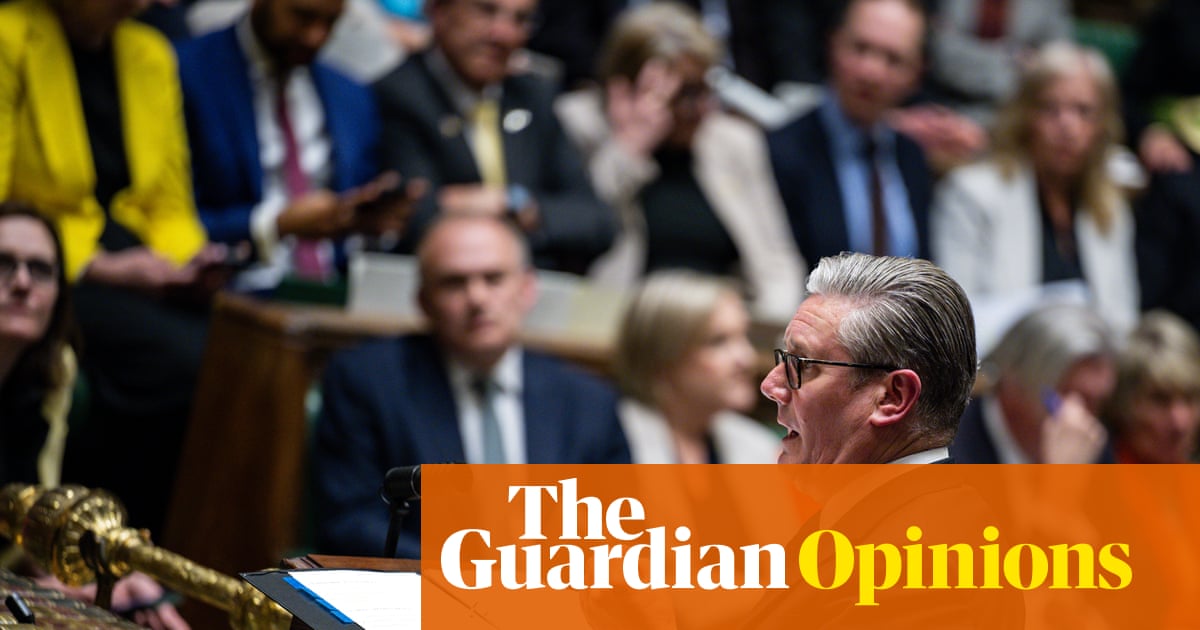
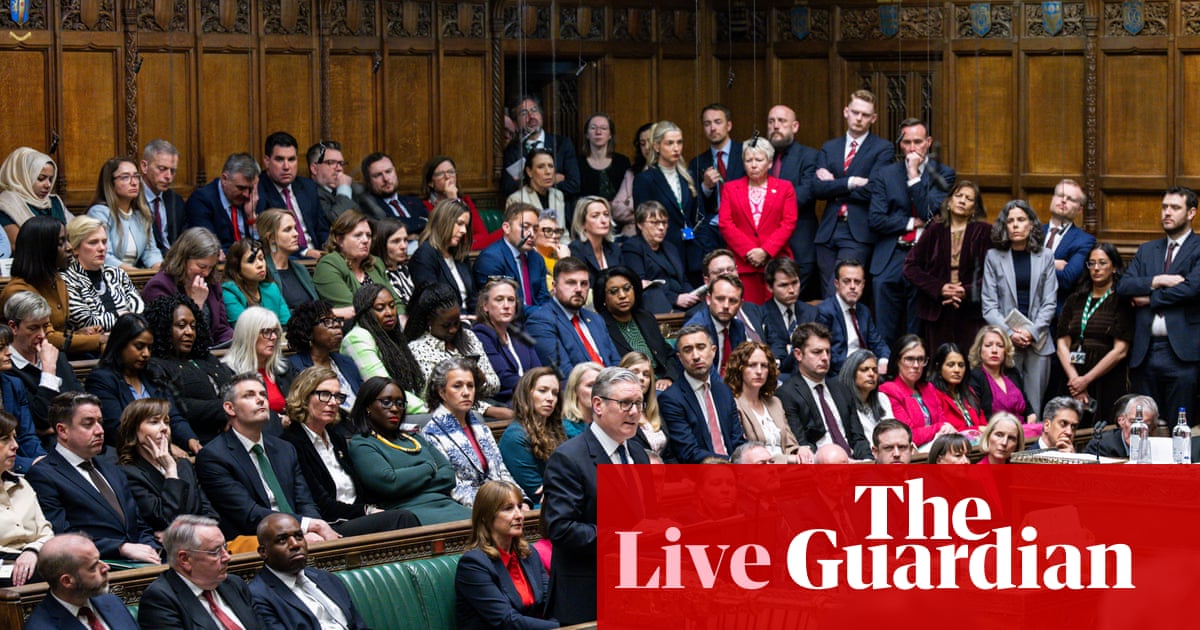
Andy Burnham has been criticised for moving to cut electric vehicle (EV) sales targets and accept North Sea drilling at a time of devastating wildfires caused by the climate emergency.
The prime minister for the first time acknowledged on Friday that the climate crisis was behind hundreds of wildfires that have ripped across the parts of the UK.
The scale of the disaster has prompted the government to bring in the military, ban the sale of disposable barbecues and activate the national alert system to issue safety advice to people across England and Wales in areas at risk on Friday night.
However, Burnham was also accused of failing to take the push for net zero seriously enough, as the government took steps towards watering down EV targets on the same day.
The government on Friday launched a consultation on cutting the target for new EVs to as little as 50% of all new cars in 2030, down from 80% under existing rules, in proposals that could add millions of tonnes a year to the UK’s carbon dioxide emissions.
The consultation will include several options, including leaving the headline target unchanged, or cutting it to 70%, 60% or 50%.
In a video from the West Midlands, where homes have been destroyed and dozens of people injured, Burnham appeared to acknowledge the seriousness of the climate crisis. “We cannot accept this as the new normal,” he said. “This isn’t happening in isolation.
“Much of England and Wales is in drought and we are in another period of extreme heat. Farmers are watching crops fail and firefighters have faced hundreds of wildfires in a matter of weeks. This is what climate change looks like, here and now.”
But in a broadcast interview, he also defended his “pragmatic” approach on extracting oil and gas from the North Sea. His government will shortly have to decide whether to allow new drilling at the Rosebank and Jackdaw fields, with a consultation on the former closing on Monday.
Environmental groups have said permitting extraction at the fields should be inconceivable after five heatwaves this summer, with Greenpeace saying it was a “Rubicon that he must not cross”.
The decision to consider weakening one of the UK’s key climate policies on EVs was announced hours after the country recorded its hottest day of the year so far – and the fifth hottest ever – after five heatwaves that scientists have said are almost certainly worsened by global heating caused by carbon emissions.
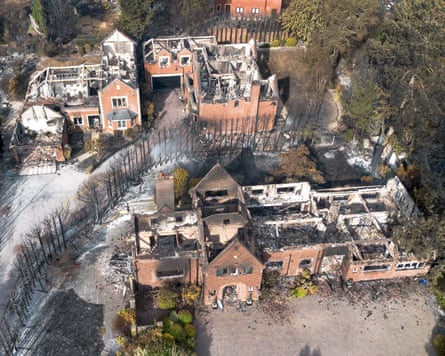
Fire services said 19 homes were destroyed, 200 hectares (500 acres) burnt and dozens of people sent to hospital in the West Midlands, the UK’s traditional automotive centre, in grassfires that may have been worsened by drought.
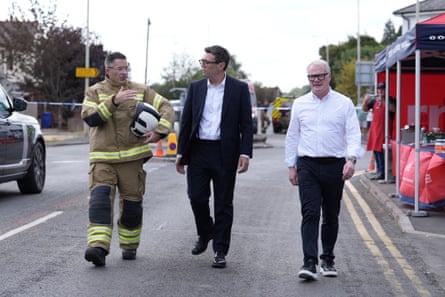
Speaking from Stourbridge, Burnham said it was necessary to bring in a temporary ban on disposable barbecues from Friday, asking retailers to withdraw them from sale.
“Please think about the situation we are in,” he said. “Britain is a tinderbox right now. Setting a fire in any outdoor setting is a risk to people’s homes and other people’s lives.”
The prime minister also revealed he planned to commission firefighting planes to combat the spread of wildfires and appointed a new fire minister, as he made the case that country had to “face up” to the “changing climate”.
Environmental groups largely welcomed Burnham’s words on the climate after 50 organisations earlier criticised him in a letter for failing to mention it following a Cobra meeting on the heatwave earlier this week.
Hannah Martin, the co-director of Green New Deal Rising which coordinated Friday’s letter, said: “Finally Andy Burnham has said the words ‘climate change’ as prime minister and acknowledged the cause of the wildfires, drought and extreme heat that is raging across the country. Now he needs to put policies in place to deal with the scale of the crisis.
“That means saying no to new drilling for oil and gas in the North Sea … it also means ramping up new investment in renewable energy and climate jobs, doubling down on insulating homes and improving public transport, and making sure our homes, hospitals, schools and emergency services are properly equipped to deal with extreme weather caused by climate change.”
Sam Keely from the Energy and Climate Intelligence Unit (ECIU) thinktank also urged Burnham not to row back on the government’s commitment for the rollout of electric vehicles.
Keely said: “At the same time as the prime minister was speaking, the government launched its consultation on watering down the zero emissions vehicle mandate.
“Getting more EVs on the road is one of the single most important policies for cutting UK emissions and will also insulate more British motorists from paying more at the petrol pump as a result of volatile oil prices, saving billions of pounds on the British driving bill.”
Electric car sales have soared by 29% in the UK this year, but the automotive industry has said the sales targets, known as the zero emission vehicle (ZEV) mandate, are putting too much pressure on manufacturers.
after newsletter promotion
They say the mandate forces them to sell electric cars at discounts and have threatened job losses or even UK factory closures if the rules do not change.
The government said it needed the targets to “remain pro-business and grounded in the real world”.
Heidi Alexander, the transport secretary, said: “It’s right we keep targets under review to ensure they’re practical and back British industry. The end goal hasn’t changed – but we need to take business with us on the journey.”
The changes are strongly opposed by climate campaigners and by the electric car charging industry, which has plans to spend billions of pounds to install charge points across the country.
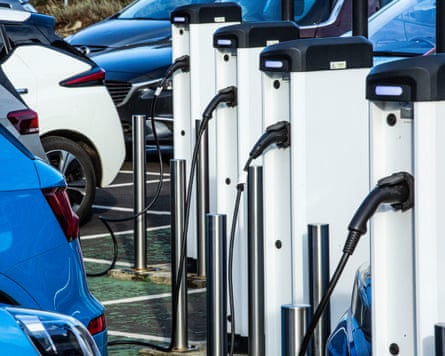
The switch to EVs is expected to be the single biggest contributor to cutting UK carbon pollution in the next decade, according to the government’s Climate Change Committee.
Under the existing rules, carmakers need to sell an increasing proportion of pure electric cars every year or face fines. The targets tighten from 33% this year to 80% in 2030. The sale of new petrol and diesel cars is then to be banned from 2035.
Ami McCarthy, the Greenpeace UK head of politics, said weakening the rules would be “a wrong turn for drivers, energy security, our climate and the economy”.
She added: “Both the Iran war and this summer’s extreme weather have shown once again why we’re better off cutting our dependence on fossil fuels.
“This mandate is one of the most powerful policies we have to bring down planet-heating emissions, which is the only way to stop more deadly heatwaves in future.
“Burnham can’t fulfil his promise of tackling the cost of living crisis and reindustrialising Britain without the green economy. So why put on the brakes now?”
It would be the second time that Labour has watered down the targets after it last year added loopholes called “flexibilities” to the original rules. The loopholes allowed more plug-in hybrid EVs, which combine a polluting petrol engine with a smaller battery, to count towards the mandate, as well as permitting carmakers to catch up with more battery car sales in later years.
Extending the flexibilities to 2034 will also be considered in the consultation, which will run until 23 October. Van sales targets are also likely to be changed.
The most extreme change proposed, cutting the headline rate to 50%, could reduce electric car sales by as much as 5.8m, according to analysis by the ECIU. It added that the changes would make the 2035 ban much harder to achieve, with some carmakers already lobbying for it to be delayed.
Colin Walker, the ECIU head of transport, said: “Proposing to water down the UK’s biggest climate policy the day after temperatures hit 38C, and a summer of heat and drought that risks the UK having its worst ever harvest, may seem strange to the increasing number of people concerned by images of homes on fire, and the security and affordability of the food we eat.”
Mike Hawes, the chief executive of the Society of Motor Manufacturers and Traders lobby group, said: “The automotive industry is fully committed to a zero-emission future, investing billions in new technologies, products and incentives.
“However, with the ZEV mandate conceived under vastly different conditions, this welcome review is a timely opportunity to adjust the transition so it works for all.”