3 months ago
105
3 months ago
105
Buy a season ticket
For regular rail travellers, season tickets remain one of the biggest cost savers. A weekly, monthly or annual season ticket will work out much cheaper than paying daily fares, especially if you commute most days.
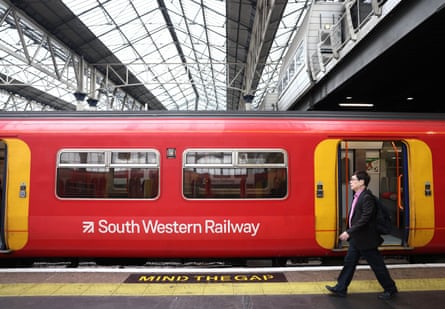
For example, to travel from Southampton to London with South Western Railway, an anytime day return costs up to £111 if you do not book in advance. This works out at a whopping £26,085 a year if you travel five days a week, for 47 weeks (this is assuming you have five weeks’ annual leave). A monthly ticket for the same journey costs £592.20 (£7,106 a year), while an annual season ticket costs £6,168.
If your commute will involve parking at the station, it’s worth checking if you can buy a season ticket for that, too. Also check if there are local car parks that are cheaper than the one at the station.
Spread the cost
One issue with annual season tickets is the upfront cost. Many employers offer interest‑free season ticket loans, letting you spread the cost through monthly salary deductions. If you borrow more than £10,000 from your employer for this purpose, it will be treated as a taxable benefit.
If your employer does not offer a loan, another option is to use a 0% interest credit card. Alastair Douglas, the chief executive of the consumer credit website TotallyMoney, says: “Using a 0% credit card means you can buy an annual ticket upfront and spread the discounted cost over a year into smaller, more manageable payments.”
Consider a flexi-season ticket
If you only commute two or three days a week, check out whether a flexi-season ticket will save you money. These give you a bundle of eight-day passes to use within 28 days on a specific route.
Flexi-season tickets are usually cheaper than daily tickets but more expensive on a cost-per-journey basis than weekly or monthly season tickets for four or five-day commutes.
Change working hours
Train ticket prices are typically highest for peak departures between 7.30am and 8.30am and 5pm and 6pm.
If you commute from Brighton to London on Thameslink, an anytime return is £55, while an off-peak return is £23.80. The first off-peak train from Brighton is the 8.39am service that arrives in London Bridge at 9.45am. You could save £31.20 a day if you were able to shift your working hours to catch that train.
“If your employer allows flexible working hours, you could save hundreds of pounds per year by travelling outside these peak times,” says Rajan Lakhani, a personal finance expert at the money app Plum. “Additionally, most trains will offer free wifi now, so even if you do arrive in the office later, you can ‘log on’ to work and be available while on your train journey.”
Book tickets in advance
For occasional trips to the office, book advance fares as early as possible. These tickets can significantly undercut walk-up prices. Use Trainline to check if tweaking your route or splitting tickets can save you money.
A railcard costs £35 a year (except for a disabled persons railcard, which is £20) and can save you a third off most fares, although not everyone will be eligible for one. There are several aimed at different age groups, including one for those aged 26-30, and another for people over 60. If you are commuting in the south-east of England, a Network Railcard can save you money. It will also cost you £35 a year to buy.
Claim delay compensation
Delay Repay is the UK rail compensation scheme that lets you claim money back when your train is delayed, no matter what the cause is. Most, but not all, operators offer money back if you are delayed by at least 15 minutes. Some only pay out for longer delays.
“It’s one of the few compensation processes that doesn’t make you jump through too many hoops, and it very quickly adds up,” says Vix Leyton, a consumer expert at the website thinkmoney. “I clawed back more than £700 last year simply by making a habit of claiming every time. Making these delays more costly for the rail companies is the only way they’ll ever consider meaningful improvement.”
The compensation is paid on a sliding scale depending on how long the delay is, with many operators offering up to 100% of the journey price back if you are more than an hour late. Season ticket holders might be able to make a claim, too, with the sum they are eligible for based on a proportion of the total cost.
You can claim Delay Repay compensation by submitting a claim to the train operator responsible for your delayed journey, online or via its app, within 28 days of travel. Most operators now offer a quick way to claim if you are a registered customer. Some, such as Southeastern, give you the option of donating the compensation to a charity.
Cut driving costs
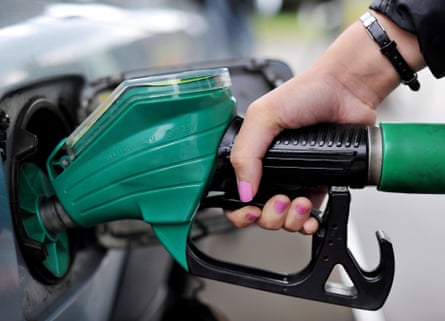
Commuting by car doesn’t have to drain your budget if you are savvy. Choosing where you fill up can make a huge difference to your annual fuel bill. Prices vary hugely at forecourts within small areas and if you routinely pay more than you need to, the cost will add up.
Paying 5p less to fill up a 60-litre car will save you £3, so it is worth shopping around. You can use apps and websites such as Go.Compare or PetrolPrices to see where fuel is cheapest in your area.
You can also cut costs by driving more efficiently – combining errands into one trip, avoiding stop‑start routes that burn extra fuel, keeping your tyres properly inflated, and car sharing with friends or colleagues making the same journey. Remember to tell your car insurer that you use your car for commuting to ensure your policy remains valid.
Packing your own lunch and carrying a reusable water bottle or flask helps you avoid spending money on expensive coffees, snacks or bottled water. For example, buying three £3.50 coffees a week would cost £10.50. You can buy a flask from Mountain Warehouse for £9.99, so you would be better off after only a week of making your own hot drinks.
If you do need to grab something on the go, try to avoid the priciest spots. Food in petrol stations, railway stations and other busy commuter hubs is often marked up – nearby shops or cafes can be noticeably cheaper.
Make sure you are earning something back on your travel costs. Many petrol stations, train companies and bus companies offer loyalty points or rewards.
Some banks and cashback apps also reward day-to-day travel spending. Over a year, those small returns can go some way towards partly offsetting your commuting costs.
Make your time pay
Commuting time is often dismissed as dead time but it can become one of the most productive parts of your day. Train or bus journeys can double as a chance to earn extra cash through paid surveys or to learn a new skill or language that could boost your future earning power. According to the MoneySavingExpert website, the best-paid survey sites include Ipsos iSay, Swagbucks and YouGov.
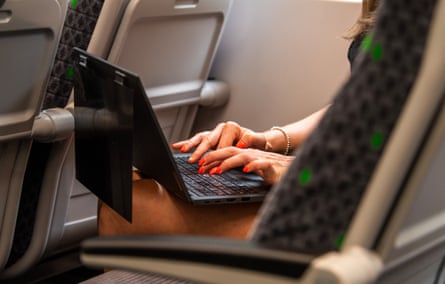
Or you can use the journey to clear emails, plan meals, do online grocery shopping or anything else constructive on your phone or laptop. Make sure you connect to the onboard wifi so that you can use your device without worrying about burning through the mobile data on your phone tariff.