2 months ago
150
2 months ago
150
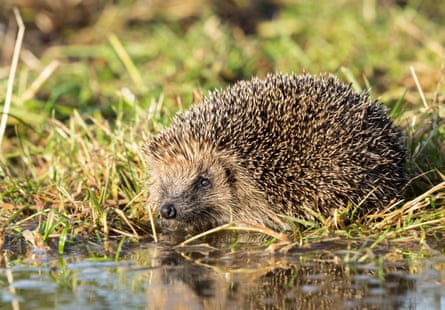
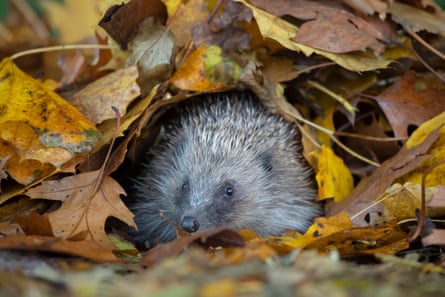
With stumpy, speedy legs, questing snouts and a fierce quiver of needles, hedgehogs are enchantingly strange, like fantasy creatures from a medieval bestiary. “It’s the nation’s favourite wild animal – every time there’s a vote or a poll, the hedgehog wins,” says ecologist Hugh Warwick, AKA “Hedgehog Hugh”, author of the Cull of the Wild and hedgehog champion.
Why do they need to be saved?
Hedgehogs are in trouble. Since 2000, the UK has lost between 30% and 75% of its rural hedgehogs. Intensive agriculture practices mean habitat has been lost, while the use of agrochemicals – such as pesticides – has affected populations of insects that hedgehogs eat. They’re vulnerable to cars (which kill an estimated 167,000-335,000 annually), strimmers and climate change. “We think long, warm, wet winters may pull hedgehogs out of hibernation more frequently, which might impact their ability to thrive,” says Warwick. It’s not all bad news: “We’ve seen stabilising and early signs of recovery in urban and suburban areas,” says Grace Johnson, hedgehog officer for the People’s Trust for Endangered Species, but they still need our help.
How can you help?
Do citizen science
“There’s really good conservation work you can do from your sofa,” says Warwick. The National Hedgehog Monitoring Programme uses camera footage to collect data on hedgehog numbers, and it needs volunteers to help identify hedgehogs (and other animals) on clips. You just need to register for a MammalWeb account, then select the NHMP to start spotting – there’s guidance on MammalWeb to help work out what you’re seeing.
Forge hedgehog highways
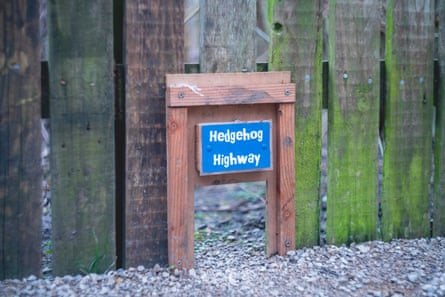
“The ideal habitat for hedgehogs is a mosaic landscape,” says Warwick. A 13x13cm gap in or under your fence or wall will ensure hedgehogs can get in and out, and a network of these holes becomes a hedgehog highway. “You may have a log pile, your neighbour may have a wildlife-friendly pond, their neighbour may have a compost heap – and as long as hedgehogs can move between all of these gardens, then this apparently fragmented landscape is really well connected.” Talk to neighbours to get their agreement and spread the word; you can also buy or make signs to ensure hedgehog holes don’t get accidentally blocked.
Make your garden a hedgehog buffet …
“Hedgehogs have quite a generalist diet,” says Johnson; common garden bugs such as caterpillars, beetles, earwigs and worms all form part of it. To encourage them, “think about a variety of structures. You want to have some thicker shrubs, wildflowers, maybe some ornamental grasses, patches of bare soil to forage for earthworms … Features like log and leaf piles can be really good for that creepy-crawly prey that they need.” Encouraging insects includes avoiding pesticides. “We know that glyphosate has an impact on worms, which are central to hedgehogs’ diet,” says Warwick.
… But feed carefully
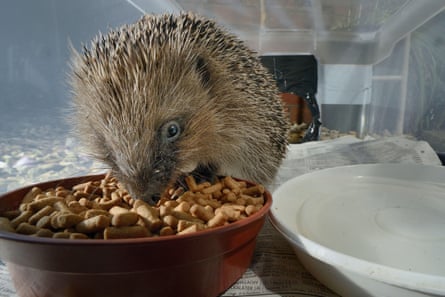
“Their natural diet is in decline,” says Johnson. “So supplementary food can top it up.” Supporting their natural food sources is best, but if you want to feed hedgehogs, offer kitten biscuits, which have guaranteed percentages of meat. Clean bowls regularly and put food in a structure that prevents other animals getting in (an upturned plastic box with a hedgehog-sized hole, say) – “otherwise, you will be feeding the neighbours’ cats,” warns Warwick. There are concerns, though: hedgehogs are normally solitary and feeding can bring them together artificially, leading to fights; there’s concern around disease transmission and creating over-dependence. Moving your feeding station around will encourage hogs to forage, Johnson adds.
Create hedgehog havens
Hedgehogs need places to sleep as well as eat. “Think about nice little dark, shaded areas,” says Johnson. “They can shelter and build there. Low, denser shrubs are going to be brilliant for them.” You could also install a hedgehog house in a quiet, sheltered spot with plenty of deciduous tree leaves and twigs nearby for bedding.
Help hedgehogs carefully
An injured hedgehog always needs help. Hedgehogs are nocturnal, so “if you see a hedgehog during the day looking like it’s drunk or sunbathing, listless or wobbly, or if it has flies around it, get it into a box then call a hedgehog rescue,” says Warwick. However, as Johnson explains, “if you see one out in the day in the spring or summer, it’s got leaves and twigs and it’s moving around, it’s likely to just be a female hedgehog building a nest for its young.” In winter, hedgehogs should be hibernating, “So if you saw one out in the day, that could be a sign that its nest has been disturbed, or that there’s something wrong.”
“We always advise contacting a rescue if you’re unsure,” says Katie South of Prickles and Paws Hedgehog Rescue in Cornwall. Alternatively, call the British Hedgehog Preservation Society (01584 890801), says Johnson. “You can talk through what you’re seeing; they can give you advice and potentially put you in touch with a local, independent hedgehog carer.”

If you’re advised to bring a hedgehog to a rescue, or need to secure it while you seek advice, South recommends handling it with thick gardening gloves and placing it in a high-sided box with an old towel or some hay or straw. Provide warmth – protection against shock – by filling an empty milk carton or bottle with warm water, and remember how stressful it will be for them. “Keep them nice and quiet and dark, and minimise handling,” she says.
Do not disturb!
Hedgehogs are vulnerable during hibernation and especially now, as people start thinking about spring cleaning their outside space. “Make sure you do a thorough, careful check before you do any kind of clearing or gardening,” says Johnson. She advises staying vigilant during the spring-summer breeding season, too, especially before mowing or strimming. “And if you do have wilder areas, leave them undisturbed – hopefully you’ll have some happy hedgehogs in there.”
Their absence of a fight-or-flight reflex means we can get wonderfully close to hedgehogs, but it’s best to keep your distance. “People seem to forget they’re a wild animal,” says South. “Intervening when it’s not necessary, weighing hedgehogs that are visiting their garden every night, causing them stress or picking them up …” If you’re concerned, call a rescue.
Be a hedgehog advocate
“You don’t need a garden to be a hedgehog advocate,” says Warwick. Johnson suggests writing to your council. “Encourage them to manage the land in a way that’s sympathetic to hedgehogs and other wildlife. Hedgehog highways, log piles, leaf piles: all of those can be incorporated into local parks.” Even talking to friends and sharing social media posts makes a difference: “Hedgehogs are coming out of hibernation; they’re going to be needing food, they’re going to be needing shelter. Helping spread the word is a really good way to help.”