3 hours ago
6
3 hours ago
6
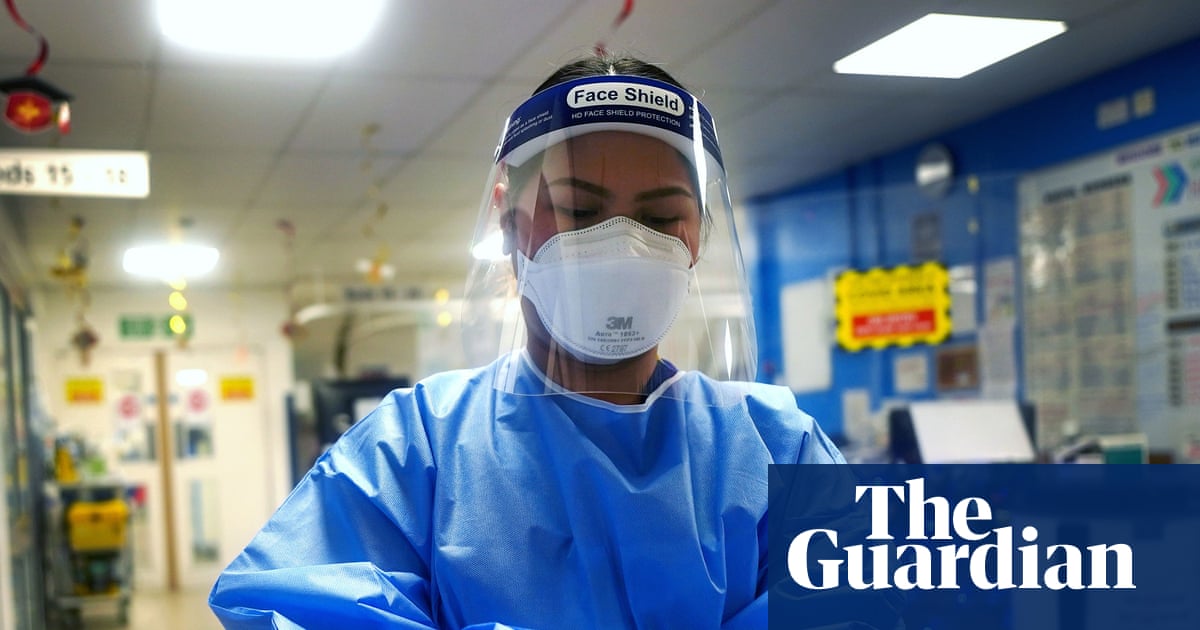
Doctors at one of England’s remotest hospitals have been given a “crash course” in birth emergencies after its maternity unit was shut and as fears grow that the safety of women and babies may be put at risk.
From Tuesday, the maternity service at North Devon district hospital (NDDH) in Barnstaple has been suspended indefinitely owing to staff shortages, leaving many pregnant women facing a journey of at least an hour and a half when they go into labour.
Women have told the Guardian they may be forced to give birth without medical help at home or even in a layby as they try to get to hospital in Exeter, more than 50 miles away, on roads often choked with traffic during the summer months. Some have said they will move from the area to give birth.
A doctor at the hospital has now revealed that emergency staff at the NDDH have been given training in dealing with difficult births if mothers cannot get to Exeter.
The doctor, who asked not to be named, said: “I’m hoping that we won’t see such emergencies and women will birth their babies without a problem and both will be fine, but there is a potential that we will see women who can’t make it to a maternity unit who have to be diverted to the hospital.
“There’s been a crash course in learning how to deal with emergencies such as shoulder dystocia or postpartum haemorrhage. It’s been an intense time and we’re all pretty shocked. We’re capable but they’ve thrown us into a potentially very serious situation. There’s a physical risk to the public.
“The emergency department and its staff are familiar with dealing with emergencies without the direct help of specialities but it’s the unfamiliarity of an obstetric emergency or neonatal collapse and having no one nearby on site to assist that is confronting.”
Royal Devon University Healthcare NHS foundation trust has described the suspension as temporary but cannot put a date on when maternity services at the NDDH may return.
The doctor said: “This has the potential to put a lot of strain on the emergency department. It has to deal with a high volume of patients, especially over the summer when the tourists come. It also has to deal with a large elderly population.”
Some staff are worried that the hospital is being downgraded. The doctor said: “It feels like they are slowly stripping away services and moving them. It’s like they’re dismantling our hospital. That’s not fair on the public or on staff. This has hit staff morale as people are questioning what this means for the future of our hospital.”
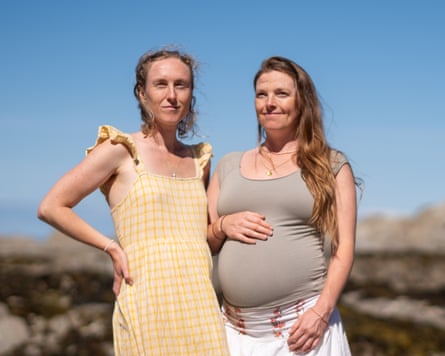
Jemima Knight, who is 18 weeks pregnant, lives two hours from the nearest hospital – and her last birth took only two hours.
She said: “This is my third baby. My first required a hospital transfer in an ambulance and luckily that transfer was only 20 minutes. I do not know what the outcome of that birth would have been if the transfer time had been two hours. My second baby was born in two hours.
“Even if I knew this labour would be longer than two hours, anyone who has ever had a baby knows that being strapped into a car seat in August heat in the holiday traffic whilst in active labour would be a horrific, dangerous and traumatising experience akin to torture. No woman should ever have to go through that, and that is what the hospital trust are asking us to do.”
She said she was considering relocating her family to Bristol, where they could stay with relatives for her birth. “The travel time proposed for us is like suggesting that it would be appropriate to close a hospital in Bristol and tell the pregnant women they have to go and give birth in London.
Knight is also worried for her sister, Harriet Knight, who is 34 weeks pregnant. Jemima said: “A safe and respectful birth is a fundamental human right, and that right has been removed for hundreds, potentially thousands, of women in Devon.”
A special Devon county council meeting later this month will discuss the closure. The council leader, Julian Brazil, said: “This closure is extremely concerning. It is not a decision which would be countenanced in other parts of the country and we should not accept second-rate NHS provision here.”
The trust has said it is trying to recruit extra consultants and doctors but has not been able to hire enough to run a safe service.
A spokesperson for Royal Devon University Healthcare NHS foundation trust said: “The safety of women, babies and families is our top priority. We carefully considered all options but the greatest risk was continuing to provide births without sufficient medical staffing.”
The trust said it recognised that some women were vulnerable and had put in place a range of support, including help with transport and finances.
On the “crash course”, they said: “We have worked closely with colleagues in our urgent & emergency department, maternity services and SWAST [the ambulance trust] to agree clinical pathways for managing emergency presentations.”
Asked about staff morale, the spokesperson said: “We recognise the impact this has had not only on women and birthing people, but also on our colleagues. We are actively supporting our colleagues through these temporary changes alongside our focus to reopen birthing services in North Devon as quickly as possible.”
The trust denied that more services may go from the hospital. It said: “This is not the case. We are committed to providing the core acute hospital services that people in North Devon rely on. Most services continue as normal, and millions of pounds are being invested in North Devon.”