3 months ago
176
3 months ago
176
The eyes are “the lamp of the body” according to the Bible; if they are healthy, the body is full of light, and if they are not, there is darkness.
Literally and metaphorically, it’s on the money. Our eyesight is one of the most important ways with which we interact with the world, and it interacts with us. We take our eyesight for granted, which is why it comes as such a shock when it starts to let us down.
“Blindness is a very scary disability,” says Prof Lauren Ayton, deputy director of the Centre for Eye Research Australia at the University of Melbourne. “But people don’t realise actually about 90% of vision loss can be prevented or treated.” And like many other problems, keeping the eyes healthy so often comes down to good diet, keeping active, and regular check-ups.
There are two key periods in life where eye problems become obvious. There is an emerging global epidemic of myopia – shortsightedness – in school-age children, with around one in three children and adolescents now short-sighted – and that figure is rising. And while the exact cause of this rise is unclear, research does suggest that screen time is a factor – but not in the way you might think.
Screens versus the outdoors
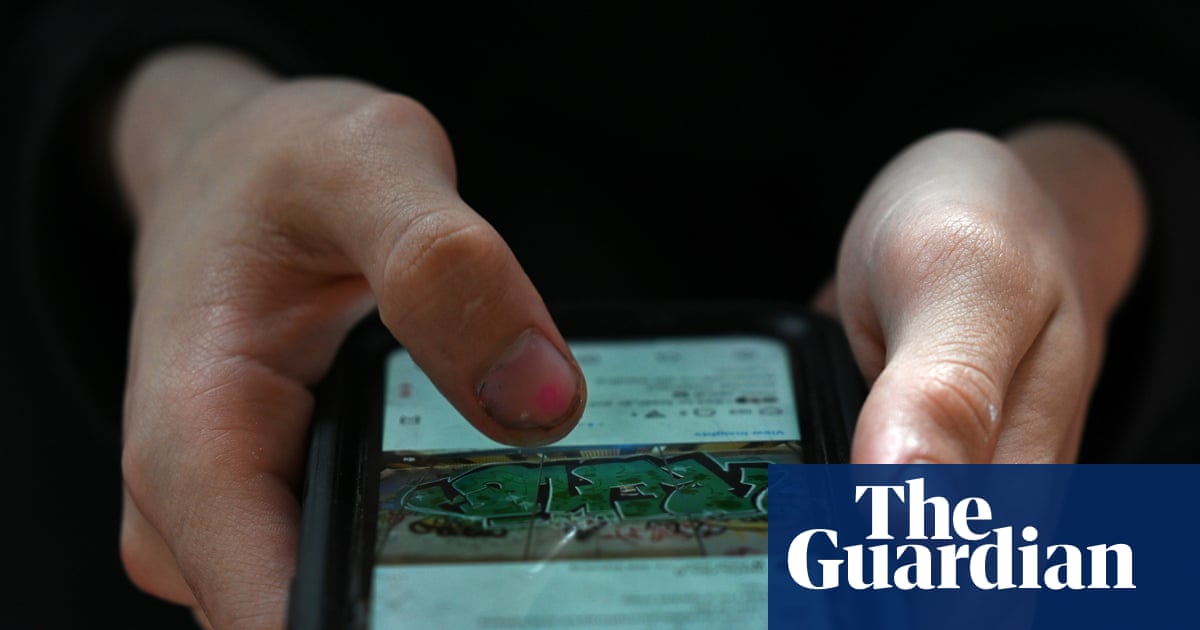
For all the concern about screen time being the enemy of eyesight, there actually is no evidence that closeup focusing on screens causes myopia.
“The direct evidence for screens in and of themselves being problematic is pretty, pretty weak,” says Prof Allison McKendrick, Lions Eye Institute UWA chair in optometry research in Perth. What’s more likely is that screen time is taking over from time doing other things that are beneficial for eye health.
One of those things, particularly in children, is outdoor time, says Dr Flora Hui, a clinical scientist also at the Centre for Eye Research Australia. “Getting enough sunlight is actually important for the growth of their eye,” she says. One theory is that sunlight causes the release of the neurotransmitter dopamine, which is important for healthy eye development. Playing outside and away from screens also means the eye is focusing on things at distance, which also helps the eye develop.
“I say ‘green time over screen time’,” Hui says. Encouraging children to go outside for one or two hours a day “has been proven to actually slow down the progression of shortsightedness”.
The ‘inevitable’ mid-40s decline
For those who dodge myopia in their youth, the first awareness of the fallibility of the eye comes in midlife with what eye specialists jokingly describe as the “my arms are too short” problem. Anyone in their mid-forties who has unexpectedly found themselves holding a restaurant menu at arm’s length to read it will recognise this syndrome.
It’s called presbyopia, it’s age-related, and it’s inevitable. “The need for reading glasses is linked to the number of birthdays you’ve had,” Ayton says. It’s simply the result of the clear flexible lens in the eye, which focuses light on to the back of the eye – the retina – becoming less flexible as we age. That means it’s less effective at bending to focus light, so we find it harder to see things up close.
Unfortunately there’s no prevention or cure for presbyopia.
The only thing that can be done for presbyopia is to correct that focus with glasses, which – despite some concerns – does not make the eye weak or lazy. Ayton says she often gets people complaining that as soon as they got glasses, their vision got worse and worse, but that is the natural course of eye ageing.
“It’s not going to make your eyes weaker by wearing glasses,” she said. “Pretty much every two years, your reading prescription is going to get updated.”
Another common age-related eye condition is cataracts, and this is also to do with the lens of the eye. “As the lens grows, it gets hazier, so now instead of looking through a nice clear lens, you’re starting to look through a hazy one,” says Hui. Like presbyopia, cataracts aren’t preventable, but they can be treated by replacing the lens entirely with a new artificial one.
Early diagnosis
The two age-related eye problems that can be prevented, or at least slowed down, are glaucoma, which is caused by progressive damage to the optic nerve, and age-related macular degeneration, which affects the central part of the retina at the back of the eye.
While eating a healthy diet and not smoking can reduce the risk, the most important prevention is early diagnosis. “The message that needs to go out to people in their 40s and 50s, is that it is really important that you do have regular eye examinations,” McKendrick says. “The main age-related eye diseases like glaucoma and macular degeneration and so forth, initially don’t have any symptoms, and so you can have this slowly ticking away for years.” By the time they have become symptomatic enough to prompt people to see a specialist, they have already lost a lot of their vision, and that isn’t coming back.
The key to healthy eyes and vision is the “three O’s”, says Ayton: keeping off screens, being outdoors, and seeing an optometrist or ophthalmologist regularly.
“For general check-ups, people should be seeing the optometrist – if they’re below the age of 60 – every two to three years, and then over 60 becomes more regular as the risk of eye diseases get higher.”