3 hours ago
8
3 hours ago
8
I agree with George Monbiot that newspaper articles dismissing concern about today’s increasingly hot weather with fond memories of the 1976 heatwave are unhelpful (When the right denies the true danger of heatwaves, ask yourself this: whose children’s lives is it willing to risk?, 1 July). While many rightwing writers remember “just getting on with things and enjoying the sun” during their childhood, what they neglect to mention is that data shows up to 26,364 deaths were recorded between 23 June and 8 July 1976 – 3,676 more than the previous five‑year average for the same dates.
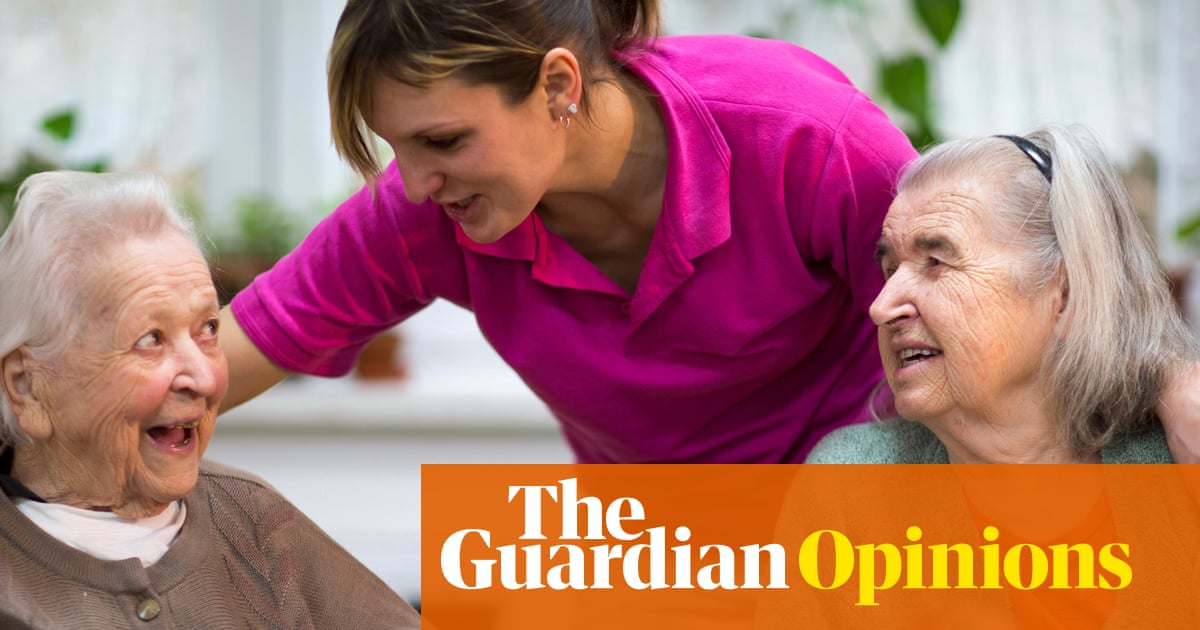
The way that deaths increase during heatwaves, as we have seen repeatedly during the 21st century, is no coincidence. Temperature extremes exacerbate chronic conditions, including cardiovascular, respiratory and cerebrovascular diseases, mental health and diabetes-related conditions. The heat is a particular danger not just to children but also to elderly people, especially those living alone, and is an additional burden on pregnant women too.
Climate change is no longer simply a possible occurrence in the future that isn’t our problem. We are seeing it now. Scientific evidence shows quite clearly how human activity such as burning fossil fuels has made heatwaves more frequent and more intense, meaning Britain’s population truly needs to be better educated and prepared for summer.
Emilie McRae
Trowbridge, Wiltshire
George Monbiot rarely misses a trick, but in highlighting how parts of our media play down the effects of heat stress on vulnerable people, he fails to join the dots. Of course, the usual suspect newspapers will have fun arguing that we have all become wimps when faced with hot weather. After all, to acknowledge the reality of unprecedented heat means recognising the frighteningly rapid way that climate change is taking hold and the ever-greater urgency of doing something about it – and that would never do.
Adrian Phillips
Cheltenham, Gloucestershire
Heat is dangerous. I lived for 55 years in the California desert. I once locked my car keys inside my house and had to walk 15 minutes back to work. It was about 43C and by the time I reached my office, I was feeling faint and my colleagues had to revive me with fluids and wet compresses. I felt unwell for the rest of the day. I have the utmost sympathy for agricultural workers, gardeners, construction workers and others who are often required to work in temperatures above 30C. They shouldn’t have to, nor should children and teachers have to work in hot classrooms.
Rosemary A Fletcher-Jones
New Milton, Hampshire