2 months ago
121
2 months ago
121
I was a keen-bean 15-year-old when I got my first job in a commercial kitchen in Canberra, raised on a diet of Jamie and Nigella and bursting with a passion for food. I dived headfirst into an apprenticeship and eagerly put my training into practice on my days off, cooking elaborate meals for friends and creating plenty of dirty dishes.
But as the years went on, my love for the kitchen was dulled by a series of toxic workplaces, bullying bosses and long hours. Eventually cooking for myself became a chore. I was more likely to eat cereal on my kitchen floor than do anything creative that would result in dirty dishes.
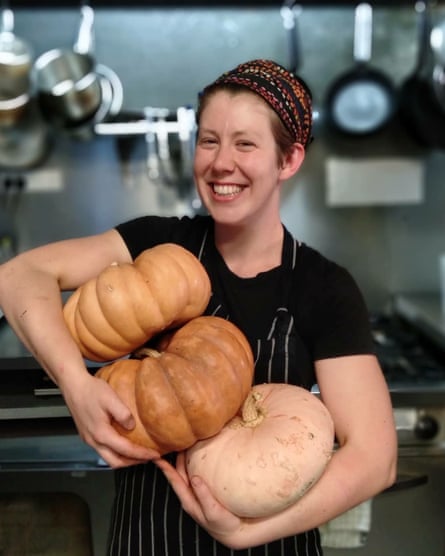
Despite its name, hospitality can be anything but hospitable to the people working in it. It is an industry that takes more than it gives: your time, your energy, your passion.
There wasn’t a single moment that drove me out of the kitchen. It was more a case of death by a thousand cuts over a 12-year career. In the end it was the pandemic that caused a hard reset: forced to stop working, I could take a step back and gain some perspective.
I realised I was deeply unhappy with the way I was living my life, but one kernel of truth shone through: I still loved food, and I was pretty sure the path to happiness would run though my stomach.
How could I find a way back to the passion which had once sustained me? I wanted to get a sense of how the food world operated outside the kitchen, and with the land and produce, by working directly with farmers, cheesemakers, market gardeners, bush foods experts and winemakers.
Tired of working in a male-dominated environment, I cast a wide net to find women who could teach me more about food. Slowly I began to build a list of internships, beginning with an artisan cheesemaker in New South Wales. It was exciting to learn a new skill, but I was hungry for more.
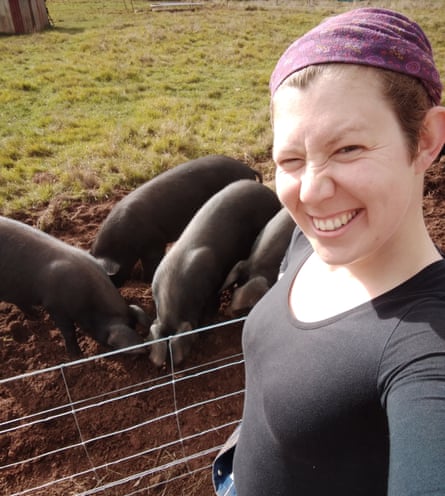
My second internship in 2021 was on a pastured pig farm in regional Victoria: Jonai Farms and Meatsmiths. Pigs here were raised outside in paddocks, free to express their natural piggy instincts. Butchery was also done on site, so I would learn how to raise pigs and prepare carcasses into cuts for sale.
On arrival at the farm, I was shown where I’d be sleeping for the next two months: a converted shipping container furnished simply with a bed, dresser, slow combustion stove, sink and composting toilet. For showers and meals I would walk a few metres to the main house, which had a generous kitchen with a large stove, butcher’s block island and cast iron pans hanging from hooks. I couldn’t help but compare it with the last kitchen I’d worked in: all stainless steel and hard edges, with a too-small cool room, far removed from customers. This farmhouse kitchen felt warm and expansive, with a long communal table.
Meals were organised by rota among the farm’s occupants: owners Tammi and Stuart and their teenager, fellow intern Mads, and two farm hands.
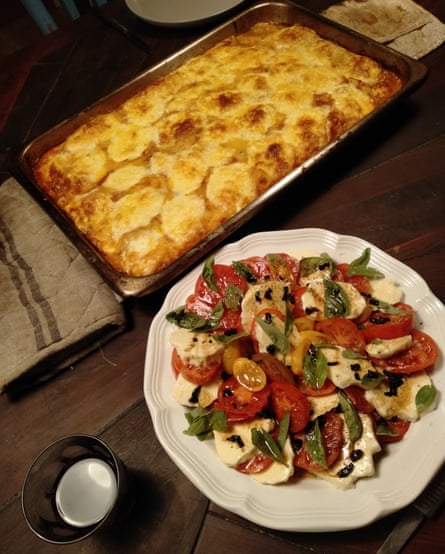
Despite being a pig farm, meals were often vegetable-based, with the philosophy of eating better meat less often.
We cooked local pine mushrooms in plenty of butter and tossed them through pasta; lentil and vegetable soups warmed our bellies on the coldest days. We ate family-style, passing around platters of glistening roast potatoes cooked in pork fat, and homegrown bitter greens and herbs. The sheer range of homemade condiments was a fermenter’s dream: kimchi, giardiniera, fermented garlic and chilli made from the yearly harvest.
On desserts, we dolloped fresh cream provided by the resident dairy cow; we poured local wines and home-brewed beers liberally, generously.
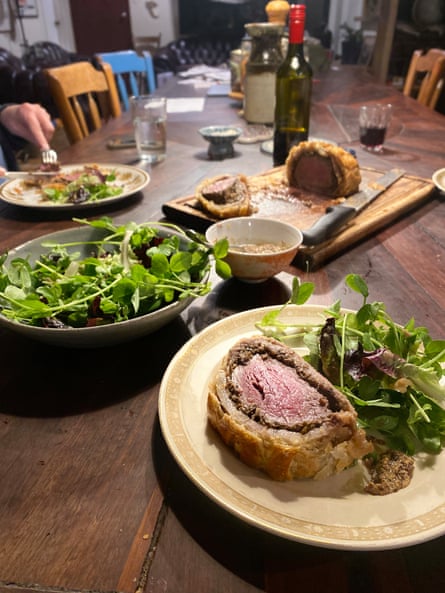
At restaurant kitchens, I was lucky to snatch a few bites of something while perched on a milk crate behind the back door. Staff meals were hurried, and treated as an inconvenience. On the farm, eating together was a chance to connect. Here, it felt like having a dinner party with friends every night, sharing nourishing food from a ramshackle assortment of vintage plates.
I realised that part of the reason I’d fallen out of love with cooking was a lack of community. Several bosses over the years had referred to employees as “a family” but it had never felt that way. We were too busy, too stressed and too overworked.
At Jonai I was excited about the produce too: tracing the pork from paddock to plate, and picking fresh vegetables from the garden. I felt connected and nourished. When it was my turn on the rota, I was once again eager to get into the kitchen.
I made fresh pasta, folded dumplings, dressed salads and made puff pastry from scratch – a skill I’d learned in kitchens, but had never bothered to do at home before. It was almost meditative: fold, roll, chill, fold, roll, chill. I slowly caramelised onions until they were dark and silky, and heated a pot of milk, fresh from the house-cow, to make ricotta. Offcuts of the farm’s smoked bacon were sliced into lardons, and pan fried with brussels sprouts. I assembled a tart with care and baked it for dinner.
I remember the first time I ever served a customer something I had made from scratch: it was a muffin but I still recall the electricity in my belly as I placed it on the table. Placing the onion tart on the table at the pig farm, I felt the same joy as that 15-year-old apprentice: proudly serving a dish to friends. It felt like a homecoming.
-
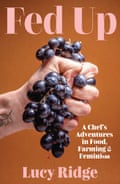
Lucy Ridge is the author of Fed Up, available now through Monash University Press (AU$36.99)