11 hours ago
16
11 hours ago
16
When Nike’s Air Max 95 trainers first landed in Britain back in the mid-1990s, they looked unlike anything else. Created by footwear designer Sergio Lozano, the shoe had wavy layers running down its sides, neon yellow accents, and visible ‘Air’ bubbles underfoot. But in the UK, one detail quickly became as famous as the shoe itself: its £110 price tag.
The Air Max 95 immediately picked up the nickname “110” because spending £110 on trainers seemed outrageous at the time. Owning a pair quickly became a status symbol among young men across Britain, while in celebrity circles they were worn by everyone from Jay-Z to Kylie Minogue.
Over 30 years later, £110 looks relatively modest next to the upper end of the market catering to trainer enthusiasts. In a pretty neat example of trainerflation, flagship running shoes from Nike, New Balance, and Adidas easily retail for between £200 and £250.
For Dom Jacob, founder of sneaker discovery platform Sneak in Peace, the story begins during the 2020 pandemic. “During Covid, the low end of the sneaker market went up massively in price,” he says. “Nike and Adidas and the rest worked out they were missing the profit on their own product, because resale websites like StockX and GOAT were taking it.”
The resale boom changed what trainers meant. Limited releases weren’t simply shoes any more. They became assets to flip, and brands watched a growing slice of the money end up in somebody else’s pocket. In 2020, for example, the average Nike SB Dunk Low was reselling for more than £400, several times what many pairs originally cost at retail.
“There was a lot of greed during that period,” Jacob says. “[Trainer brands] cut the quality down while they raised the prices. The price of a sneaker became disconnected from what it was actually worth to the person buying it.”
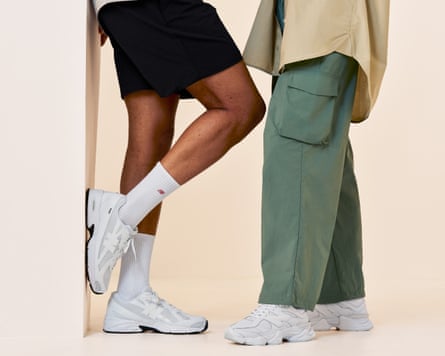
Now, though, there are signs trainer enthusiasts are quietly pushing back. They’re buying fewer pairs, keeping old ones for longer, and getting excited about trainers that don’t cost £250 in the first place.
Nike’s V5 RNR costs £80. The New Balance 740 can be picked up for £70, the Asics Gel-1130 retails for about £90, and Adidas has plenty of trainers below the £90 mark. These aren’t being hidden away as entry-level options either. They’re front and centre in campaigns and on shop floors. And sneakerheads are actually buying into them. Jacob points to the success of Nike’s slide £79.99 Mind 001, which he says remained sold out for seven months, as proof that lower-priced trainers can generate just as much excitement as considerably more expensive releases.
Mikey Clarke, an app developer, has been collecting trainers for over a decade and remembers the days of the Nike “110”. “That felt expensive at the time, but it was attainable if you saved up,” he says. “Now I think harder before buying anything because prices have gone up so much. If I’m spending that kind of money, the shoe has to do everything rather than just being a nice addition to the collection.”
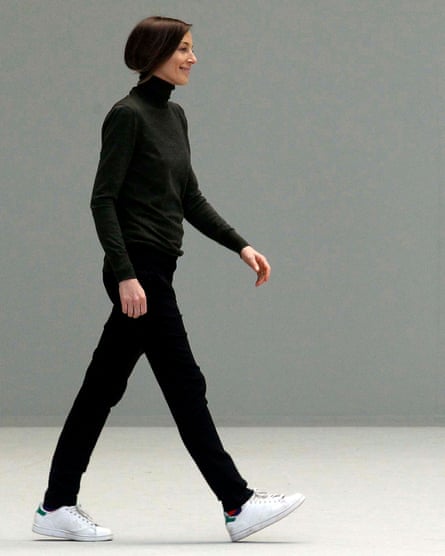
Fashion falling for relatively affordable trainers isn’t new. In 2010, designer Phoebe Philo helped turn the Adidas Stan Smith – then a simple £70-ish tennis shoe – into one of fashion’s most wanted trainers when she wore them to take her catwalk bow. Soon, seemingly everyone had a pair. More recently, the £95 Samba went from a humble indoor football shoe to one of the biggest trainers in fashion before the former PM Rishi Sunak killed them.
What’s different now is the reason we’re reaching for cheaper shoes. In 2026, value itself is becoming part of the appeal. Household budgets have tightened, and the resale bubble has burst. Suddenly, shoppers are asking a question sneaker brands haven’t really had to answer for years: is this actually worth the money?
after newsletter promotion
Crucially, it isn’t people who have always bought cheaper trainers driving the shift, it’s enthusiasts who previously thought nothing of spending £250 on a pair. For them, getting excited about an £80 Nike represents a pretty significant change.
Jacob believes trainers are returning to what they were always meant to be. “We have come back to the daily runner,” he says. “You can do your morning jog in it if you really need to, and go straight to the supermarket afterwards.” That crossover matters: one pair that can handle a light run and everything else you do that day suddenly starts looking like better value.
There are thriftier ways to deal with trainerflation too. Vinnie Tao, founder of Manchester-based shoe care boutique Sneaker Pharm, has noticed more customers choosing to repair worn-out pairs rather than replace them. “I think that’s being driven by a combination of economics and sustainability,” he says.
The £200 trainer isn’t going anywhere. But after years of convincing trainer enthusiasts to spend more, sportswear brands are remembering something they knew all along: affordable doesn’t necessarily have to mean undesirable.
To read the complete version of this newsletter – complete with this week’s trending topics in The Measure – subscribe to receive Fashion Statement in your inbox every Thursday.