3 months ago
163
3 months ago
163
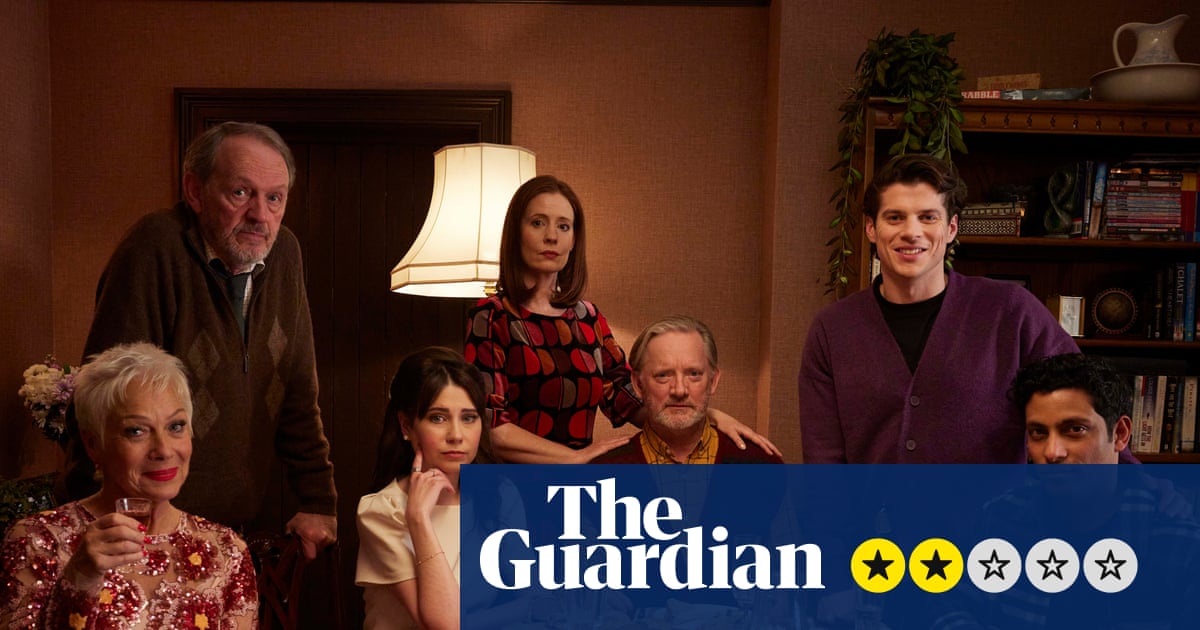
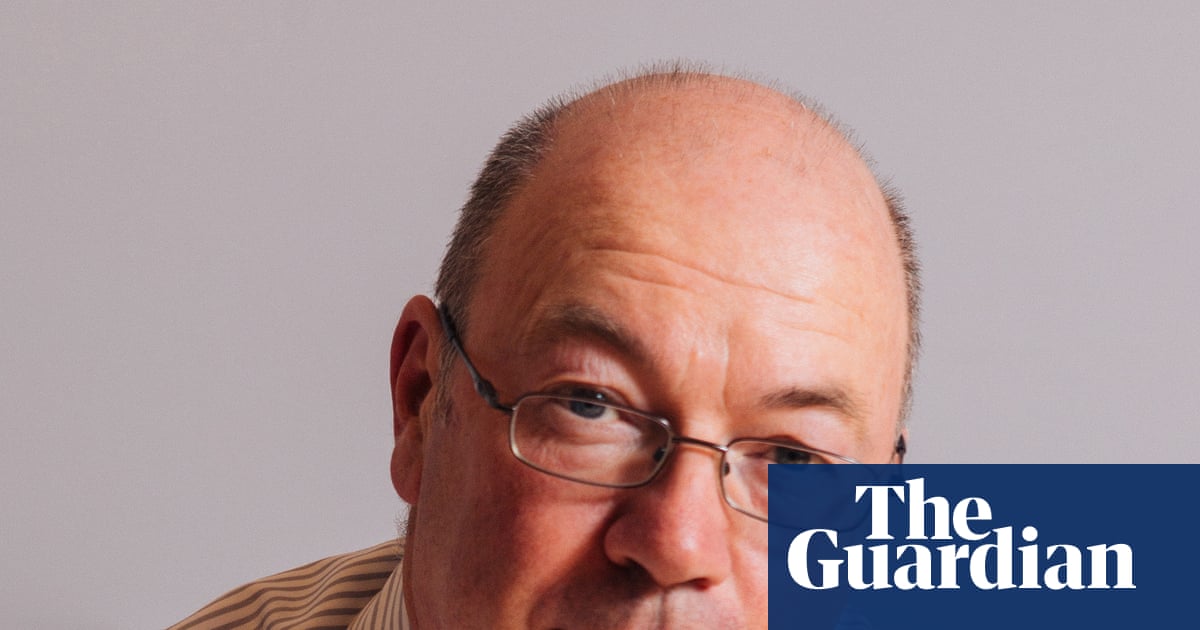
It was about 1am. After a day of relentless filming in which he had met and “married” a stranger, the Married at First Sight UK cameras stopped rolling and Adrian Sanderson was left alone with his new TV partner.
“Honestly, I’ll never ever forget that feeling – it was so difficult,” he says. “When those producers leave you and you’re, like: ‘I’m alone – I don’t get this. How is this about to happen?’ It would be daunting for anyone. You’re exhausted by this time.
“You just don’t have a minute to process anything. You don’t have your phone. You don’t know what’s going on. In my opinion, it’s just not safe. It’s not OK.”
At another moment during filming, Sanderson remembers sobbing uncontrollably. One of the show’s experts asked him why he was upset. “I remember thinking: ‘I’ve got no idea. I’ve got no clue.’
“What concerns are you going to raise? I now have my experience in television. But remember, that’s day one. You have no idea.”
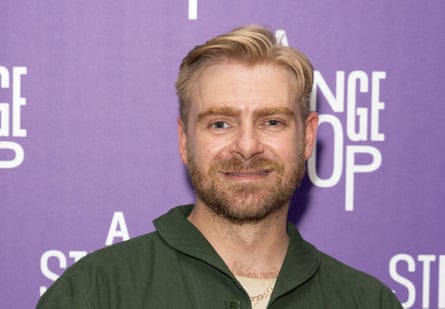
Sanderson, who took part in the 2022 edition of the show, is among those who now believe that whatever welfare protocols are in place, the format and pressures involved mean it simply cannot be made completely safe for those taking part.
“It’s unfair on the welfare team [looking after the cast],” he says. “They seem to get a lot of criticism, but it’s not them. It’s the format of the show.
“I couldn’t really get near my friends and family. So I felt so isolated.”
He spoke after a week in which two women, who have not been named, told the BBC’s Panorama they had been raped by their on-screen husbands. A third woman who agreed to be identified, Shona Manderson, accused her on-screen husband of subjecting her to a non-consensual sex act. All the men deny the claims.

Channel 4 has two reviews in place, examining its handling of previous concerns and whether new welfare protocols are needed. CPL, which makes the show, has said its welfare processes are “gold standard”.
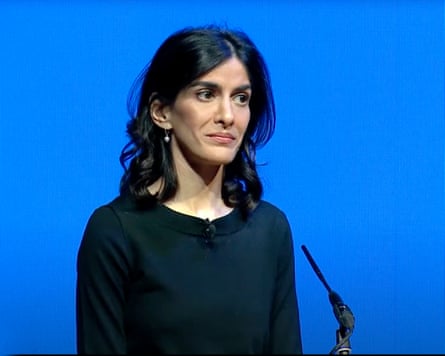
Priya Dogra, Channel 4’s chief executive since March, has said she is “deeply sorry” for the distress of the participants who made the allegations, though the channel’s executives have also said they are confident its welfare protocols are robust and were followed. “I do believe that our handling of concerns at the time was appropriate but as I only took this role up recently, I wanted this looked at again,” Dogra said.
There are plenty of contestants from Married at First Sight UK, widely known as MAFS, that report having a positive experience on the show. Many TV insiders believe its welfare protocols are among the most rigorous in the business.
However, a debate is now raging within the industry about whether it is possible to make MAFS and similar reality formats completely safe. Sanderson is not alone in his view that it is not. Others who have worked on the show believe that, at least in its current form, the show puts safety at risk.
“I believe these shows could be produced in a safe way if you replace welfare with genuine mental health experts, psychologists, people that have the background to deal with these complex issues,” says Emma Pringle, a producer who worked on MAFS and other reality dating shows. “However, that would really affect the content … We’re not going to see the same type of shows.
“If you want the current content, then no, I don’t think they can be made safely in a way that protects everybody involved.”
Pringle says she believes legislation is needed to regulate such shows, given welfare protocols are already in place. “It’s not as simple as updating protocols,” she says. “They have done that to death. I have witnessed some real, positive changes happen across the industry. We need legislation. We need the government to regulate this industry more. It’s not working.”
Megan Wolfe, who appeared on the 2021 series, says she believes the format could survive in an adapted form, with the expectations of intimacy lowered.
“Married at First Sight, in particular, would need some adaptations to make it safe,” she says. “Rather than intimacy being considered a given, it should be more of an option. The fact that everything is backwards – you start with a marriage – makes intimacy more of a pressure.”
She says separate bedrooms and bathrooms is an obvious step. “You should opt into intimacy, rather than intimacy being seen as a given and you have to actively opt out,” she says. “People would be much more empowered to outline their boundaries from the outset.”
Mark Stephens, a media lawyer, says the experiment of reality TV has gone too far. “You are removed from normal support networks, you’re placed under constant observation, you’re subject to engineered conflict and encouraged to form intense emotional and physical bonds rapidly and not in a normal way,” he says.
“These shows are not failing despite the pressure, they succeed because of it. Their psychologists are operating within a flawed framework. They’re not designing the format. They are asked to manage harm.”
There is a wider concern, too, that having undergone contraction and crises in recent years, the British television industry has become too reliant on challenging reality TV formats.
“Reality television asks ordinary people to make a bargain: give us your relationships, your vulnerability, your ambition, your body, your private life, and we may give you attention, opportunity and escape,” says Fatima Salaria, an experienced executive producer.
“The question now is whether that bargain is still sustainable. If audiences, regulators or contributors decide it is not, the consequences will not stop with MAFS. They will go to the economics of British television itself.”
Wolfe says she fears shows are constantly pushing the boundaries. “With each new show that pops up, it feels like a competition to be more extreme, to show the most intimate versions of people,” she says.
“If you can’t mitigate risk and you aren’t 100% sure you are mitigating as much risk as you can, you shouldn’t be making the shows.”