2 months ago
118
2 months ago
118
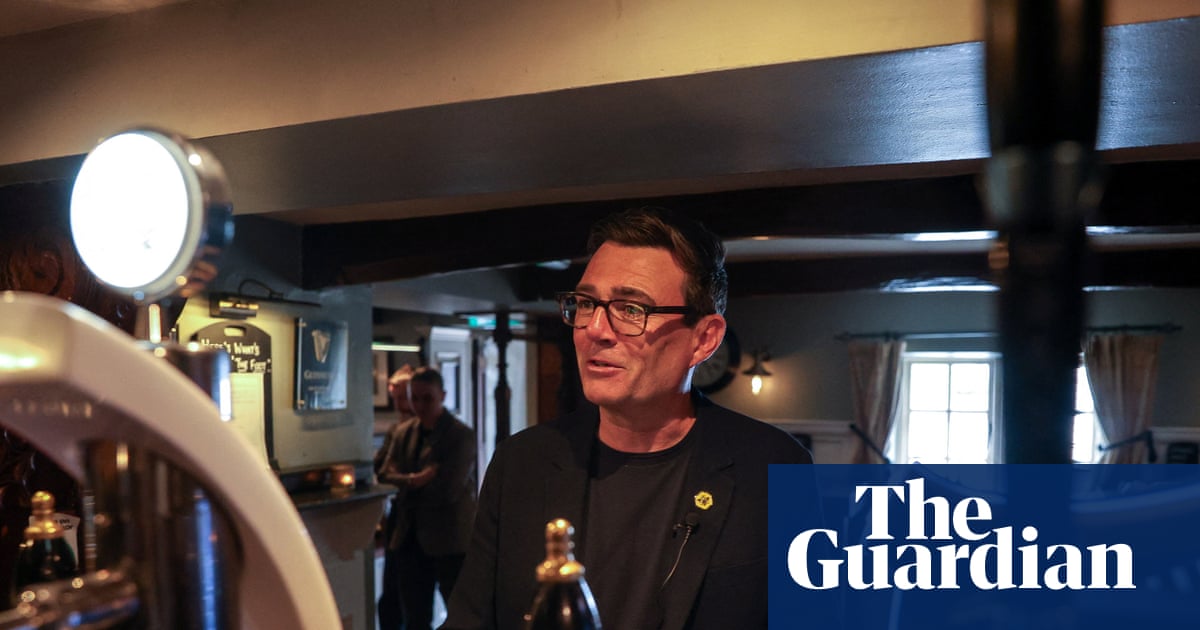
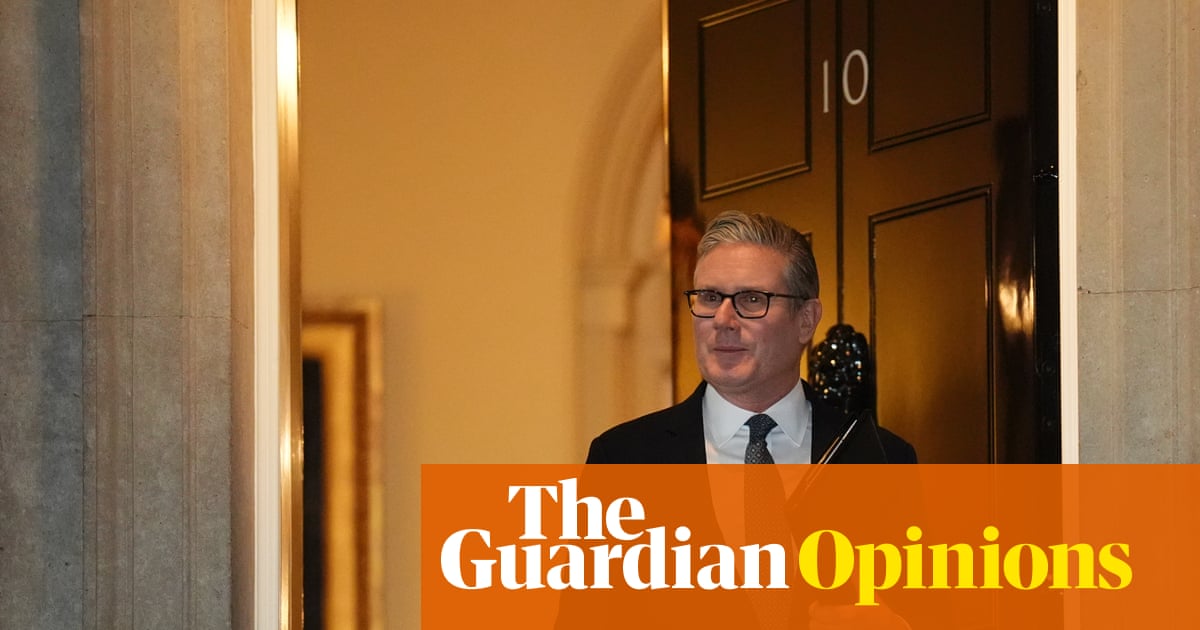
Why is Keir Starmer so unpopular? The basic question is easily answered by political broadcaster Lewis Goodall in his investigation of our prime minister’s historically awful approval ratings. In several elections and one big referendum, Goodall says, Britons have voted “for economic change, for material improvement in their lives”, but it hasn’t come. Starmer toured the UK in a campaign bus with “CHANGE” written on the side, yet life as an ordinary citizen has only got harder.
The extent of the national disgruntlement is well known, but the programme underlines it by revealing the results of a shiny new survey – which is something documentaries of this kind like to commission because it guarantees them news coverage. Those headline-grabbing findings: a majority of respondents say Starmer should resign, that he has been too slow to make change, that he does not have a clear plan. Asked to describe him in one word, punters’ top responses were “incompetent”, “useless” and “weak”.
So people don’t rate the guy. The real conundrum Goodall turns over, though, is how it came to this. What is Starmer playing at? Our host sees this as a riddle with another straightforward solution: Starmer has no grand political strategy, no defining vision. In Goodall’s reading, he is “fundamentally anti-political”.
Goodall canvasses opinions both positive and negative, with Alan Johnson and Bridget Phillipson leading the case for the defence, left-leaning Labour MPs John McDonnell and Kim Johnson being more critical, and the moderate analysis of Michael Gove landing somewhere in the centre. All are agreed that Starmer is not a man with any strong political convictions.
Goodall recalls that when Starmer ran for the Labour leadership, “he had a suite of leftwing policy positions on which, when he became leader, he decided to entirely renege”. He sets out the consequences of Starmer’s move rightwards, arguing that although it may have been “smart politics at the time”, it has opened up space for the Greens to steal progressive votes.
Allow Instagram content?
This article includes content provided by Instagram. We ask for your permission before anything is loaded, as they may be using cookies and other technologies. To view this content, click 'Allow and continue'.
This is presented as a misstep that is almost inexplicable, but can perhaps be put down to a lack of conviction. We run through some of the most famous causes of public disquiet: the cuts to winter fuel payments and the retention of the two-child benefit cap. Neither of these were in his election manifesto and Starmer was later forced to U-turn on both. Here they are cited as evidence of a hapless lack of direction. The infamous “island of strangers” immigration speech is referenced as part of a discussion about whether Starmer has, in an effort to combat the electoral threat of Reform, unwisely ceded too much rhetorical ground to them. But that Starmer is, in Phillipson’s words, a “decent” and “humble” person trying to make Britain better is not questioned.
One wonders if Westminster etiquette prevents Goodall from even considering the unpalatable alternative, which is that Starmer hasn’t improved people’s lives because he doesn’t want to, and the above gaffes show his instincts when in power are conservative. A wider interrogation of Starmer’s position on Gaza – which is only mentioned in passing as part of the reason for the loss in the Gorton and Denton byelection – and the authoritarian leanings of his response to protest, as well as a look at how Labour’s sources of funding have shifted from many small membership fees to relatively few corporate donations, might have created space for the idea that Starmer does have an ideology: to maintain the status quo, however angry this might make voters. It’s surely possible that the promise of change was a cynical lie, but this argument appears out of bounds.
Such restrictions make Goodall’s interpretation of the Peter Mandelson affair similarly benign: the arch schmoozer of plutocrats was, it is not doubted, appointed US ambassador in a sincere if misguided attempt to extract beneficial trade deals from Donald Trump. Goodall identifies Starmer’s dealings with Trump as a strong suit, agreeing with the PM’s supporters that his stance on Iran constitutes a glimpse of backbone.
Goodall ends by repeating his yearning for Starmer to show us more of this latent dynamism: “Can Keir Starmer find those qualities in himself?” he asks. He has ably summarised the fundamental reasons why Starmer’s polling is in the dirt, and whatever your view on why the PM has governed as he has, those survey numbers show Goodall is right about the consequences of not changing course: none of this is sustainable. “Can he do it to save the old order before it gives way to something new?” the presenter concludes. “For Keir Starmer, perhaps for the system as we’ve known it, it’s now or never.”