8 hours ago
14
8 hours ago
14
More than 500 mothers and babies came to harm or died as a result of inadequate care in Nottingham, an inquiry into the NHS’s biggest ever maternity scandal has revealed.
A total of 444 women and 76 newborn babies suffered “potentially avoidable” outcomes because they received substandard treatment over 13 years from Nottingham University hospitals NHS trust (NUH), a damning report led by the childbirth expert Donna Ockenden has found.
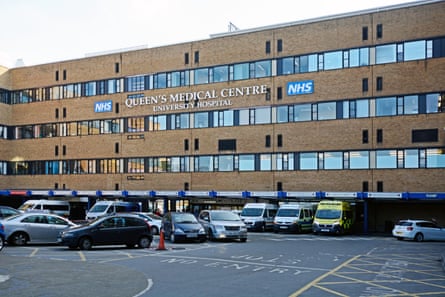
The 401-page document paints a stark and forensic picture of maternity care at its two hospitals – Queen’s medical centre and Nottingham city hospital – where “multiple” women experienced dangerously poor and sometimes “cruel” care, understaffing was routine, lessons from patient safety incidents were not learned and bullying by “intimidating cliques” of staff was rife.
Ockenden and her team of maternity experts who undertook the three-year inquiry investigated the deaths of 27 mothers between 2006 and 2024 and “identified failures in care that may have or substantially impacted on the outcome in six deaths”.
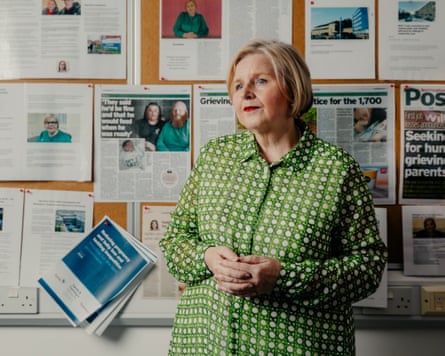
Staff not listening to women or acting promptly on concerns they raised was one of the “common failures” involved in maternal deaths, they found, as well as delays in women having scans.
The review was ordered in 2023 after families warned that maternity care at NUH care was unsafe. It also examined cases in which babies died as a result of being starved of oxygen during birth or picking up a hospital-acquired infection, or because midwives and doctors did not manage the mother’s labour properly or provided poor postnatal care.
Thirty-one of the detailed examinations of the deaths of newborn babies found that they had received inadequate care and that, if they had been handled differently, they would probably have avoided coming to harm.
The report lays bare a host of recurring failings in clinical care that put mothers and babies at risk and in some cases had catastrophic consequences. They included repeated failures to monitor babies properly during labour, misinterpretation of CTG trace-reading of the baby’s health while still in utero, not recognising when babies were in distress, and midwives not escalating worrying cases urgently to doctors to make rapid decisions on the care and treatment needed.
“In a number of cases these failures contributed to severe neonatal injury, stillbirth and neonatal death,” Ockenden’s report says.
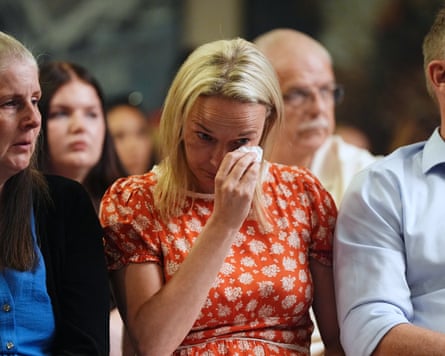
About 2,500 families and 850 current or former NUH staff gave evidence to the review team, which examined events from 2012 to 2025. It also found that:
-
A “bullying and toxic culture” persisted at NUH over many years and impeded moves to improve care.
-
Maternity service managers and the trust’s senior leaders were repeatedly warned about a host of serious problems in the maternity units at both hospitals but did not take effective action.
-
Maternity staff displayed “a culture of not admitting women who were seeking admission in labour”, despite the risks this posed to them and their babies.
-
Both maternity units were consistently seriously short-staffed and could not cope with the number of births and complexity of cases they had to handle.
-
One baby girl who died early in gestation was “inadvertently disposed of as clinical waste by laboratory staff after her postmortem examination”, compounding her parents’ distress.
Families told Ockenden about horrendous experiences they had. Some were denied pain relief, or given too little. “It felt brutal … traumatic … They were screaming at me: ‘You need to pull yourself together,’” one woman said.
In behaviour that Ockenden said was sometimes “cruel” and lacking compassion, staff could be dismissive of women’s concerns. One said she was told: “Is this your first baby? Take some paracetamol and have a hot bath.’”
James Murray, the health secretary, responded to the findings by announcing that Martha’s rule – which gives patients the right to an independent second opinion of their care by a separate clinical team – would be implemented at every maternity unit in England, as suggested by Ockenden.
In future, current or past NHS staff who refuse to give evidence to maternity inquiries will also have to do so or risk being jailed for up to two years, to try to break the ingrained “culture of silence” that often accompanies care failings and medical negligence.
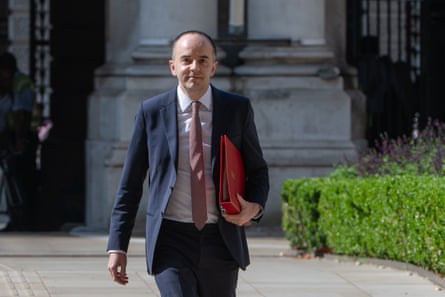
Murray, who is making a Commons statement on the scandal on Wednesday, vowed that the government and NHS bosses would “deliver lasting change” to improve maternity services across England. Ockenden’s findings will help inform an action plan to overhaul childbirth services that the Department of Health and Social Care’s maternity taskforce is drawing up.
“This is a truly harrowing report”, said Kath Abrahams, the chief executive of the pregnancy and baby loss charity Tommy’s.
“It is utterly inexcusable that pregnant women seeking help at Nottingham University hospitals NHS trust were in some cases treated so poorly – sometimes with devastating consequences – and that healthcare professionals and families who did as much as they could to flag the risks were ignored.
“The accounts of racist and unkind behaviour, the apparently deliberate efforts to avoid external scrutiny and the refusal by some senior personnel to answer questions about their role in this scandal are profoundly distressing.”
While Wednesday’s report is a scathing indictment of poor maternity care over many years at NUH, it follows previous reports into similar failures at three other NHS trusts in England in recent years: Morecambe Bay, East Kent and Shrewsbury and Telford.
Ministers and NHS leaders admit that multiple recommendations from those and other inquiries to improve care have not been implemented and that major problems persist.
Lady Amos is due to publish the results of her government-commissioned inquiry into maternity and neonatal care next week. It will set out a roadmap for ensuring that childbirth services provide safe and high-quality care to all women and babies.