2 months ago
81
2 months ago
81
On a nondescript industrial estate on the outskirts of Swindon, visitors may hear a faint squawking in the distance as bird lovers from Exeter to Edinburgh bring their brightly coloured budgies and macaws to an exotic animal hospital.
But now, the UK’s premier parrot surgery, which treats all kinds of creatures, is to be shut down after it was bought out by a conglomerate that has decided the business is not viable.
Last month, clients and staff at Great Western Exotics were given six weeks’ notice that the veterinary practice was closing. This has plunged the bird world into turmoil as there are fears there are no viable alternatives for the animals on the referral list.
Founded by the internationally renowned avian vet Dr Neil Forbes in 2004, the vet group was bought by the large company Vets Now, part of the conglomerate IVC Evidensia. The Financial Times reported on Thursday that IVC, which was valued at £11bn in 2021, is preparing for a stock market valuation.
This development comes as the Competition and Markets Authority is investigating the veterinary sector amid fears large corporations are buying up practices, limiting choice and driving up costs. IVC is one of five vet chains that have bought more than 1,800 UK practices over the past decade, according to the CMA. The regulator says vet fees have risen by more than 60% in seven years.
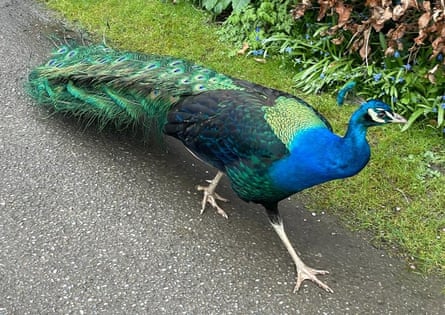
Mary Parsons brings her flock of peacocks to Great Western Exotics when they need an operation or a checkup. She drives three hours from Bedfordshire. “They do anything, they do blood transfusions for birds, CT scans, ultrasounds, they are in a different league,” she said. “I am worried that animals will die. They should never have let corporates buy up veterinary practices – it’s been a disaster.”
On Tuesday morning, the clinic, which has a checkup room on the ground floor and state of the art avian hospital upstairs, was awaiting clients. Some had arrived; a pair of rabbits was sleepily munching hay on the front desk. “We are bunny-sitting,” one of the receptionists explained.
The desk was covered in gifts and cards from customers, and the receptionists were fielding referrals from other vets, breaking the news that they will be closing their doors in the days to come.
The staff at the centre, who did not want to be named, were devastated. They have known their feathered and furry clients for many years. “There is no other job like this,” one of them said. “It was a huge shock to find out we are being closed down.”
With only days before the practice shuts its doors, the team did checkups, beak trims and emergency surgery only. “It wouldn’t be fair to start complex cases now, as we may shut halfway through.”
They are worried about the tens of thousands of exotic animals that are in the referral pool. Though regular vets can conduct vaccinations, clip nails and sometimes beaks, for anything complicated, they refer animals to Great Western.
One staff member said: “It is so worrying and upsetting, our first reaction was worry for the animals, where are they going to go? Where can our clients take their pets?”
Another staff member believes that “the profit is being prioritised over animal welfare”.
A Vets Now spokesperson said: “Following a thorough review of Great Western Exotics, we are exploring all options for its future. Consumer need for specialist exotic and avian veterinary services is rare and demand, alongside changes in makeup of the clinical team, has impacted our ability to sustain a dedicated centre long term.
“All owners and patients will be supported to ensure continuity of care, including referrals where needed. There are three alternative treatment centres for exotics within 60 minutes’ drive, two operated by IVC Evidensia and one by CVS, so patients can still access vital care.
“We are also working closely with colleagues to explore redeployment opportunities across our network and are committed to a thorough consultation process, fully in line with employment law.”
Virginia Trott runs The Parrot Lodge, a boarding house for parrots, and has three of her own. She has been a client of the vets for many years. She said: “For parrots and other exotic species, time and distance can mean the difference between life and death. The loss of this practice places animals at direct risk and caregivers in an impossible position. What are caregivers supposed to do?”
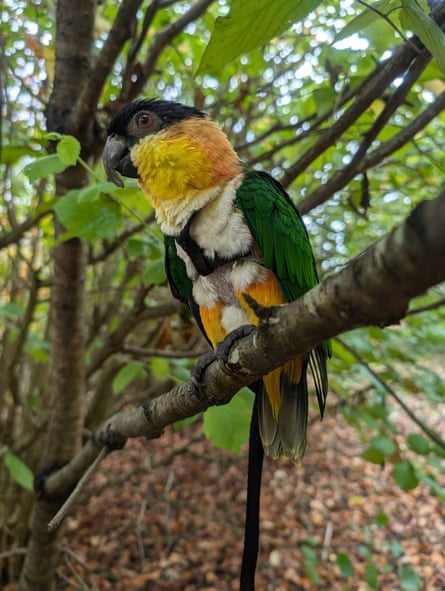
Great Western Exotics also works with the RSPCA and other local wildlife charities to rehabilitate sick wild birds, and treat exotic mammals including meerkats, skunks, and ferrets.
Jillian, who has been a client since 2010, was in the waiting room when the Guardian visited, having brought her four rabbits for a final checkup. Exotic specialist vets often treat rabbits as they require treatment that regular clinics focused on cats and dogs often can’t provide. “They have saved my rabbits’ lives on multiple occasions,” she said.
Jillian has written to the leadership of IVC as well as signing and sharing a petition which now has nearly 2,000 signatures. “We need this clinic, this waiting room and the hospital upstairs are always jam packed,” she added.
A source close to IVC and Vets Now stated that though there is a petition reaching nearly 2,000 signatures, that number of signatories does not accurately represent the active customer base of Great Western Exotics. Fluctuating demand and staffing made it difficult to keep the vet open 24 hours a day, seven days a week.
Ruth Hemingway, another client, who started the petition, said: “For me the concern isn’t that other veterinary practices don’t care, but that Great Western Exotics provides a level of specialist expertise, equipment and 24-hour hospital care for exotic animals that is very difficult to replicate elsewhere.”
There are concerns that closing this veterinary practice threatens the future of exotic animal care in the UK. The hospital hosts the UK’s only European College of Zoological Medicine avian residency programme, the pathway through which veterinary surgeons train to become European specialists in avian medicine.
Forbes said he felt “great sadness” at the news of its planned closure. “With generally poor undergraduate training in exotic pet species and wildlife, the development of a five clinician 24/7 exotic animal service provided both a wonderful clinical service to exotic patient owners from far and wide, but also a postgraduate training site par excellence, producing 11 [veterinary] diplomates in avian medicine.
“While always profitable during my tenure, it is a great shame that the current corporate owners have not been able to maintain the service as a viable commercial enterprise.”
It is understood IVC and Vets Now believe that although there is no other training centre for avian medicine in the UK, there are alternative animal hospitals that could carry this course should they choose to do so.