3 months ago
116
3 months ago
116
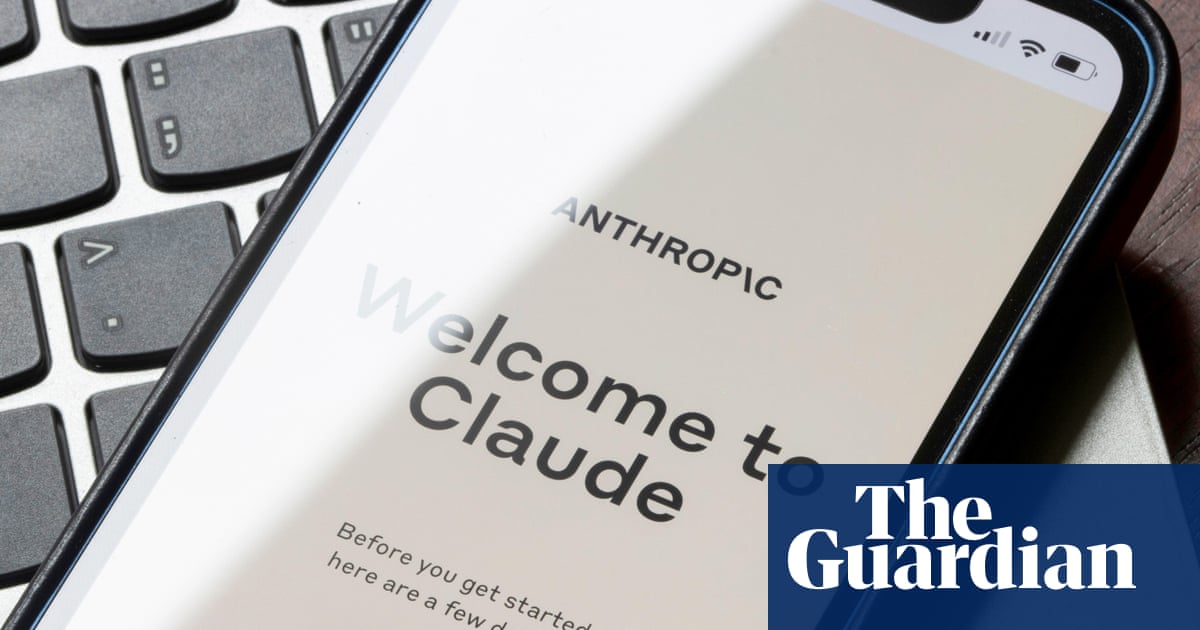
I always say please and thank you to my Alexa. Why is this? I am sure it doesn’t care. Is it worth being polite to artificial assistants? Alison Williams, Toronto
Send new questions to [email protected].
Readers reply
No, do not treat these devices as sentient life. They are designed to imitate our social behaviours, but we should not begin to think of the imitation as real. We use language to dehumanise where we should not, leading to terrible actions. By the same token, we should not use language to humanise a machine. User30000
I agree, but it’s also good to maintain the habit of politeness as a human default setting. Plus, since AI is no doubt learning how to behave from the cues we give it, it makes sense to give pleasant cues. That said, I’ve never felt myself slipping into the illusion that I was talking to a sentient being; maybe if I did I would feel the need to be ruder to jolt myself out of it! lauk
From a cost and environmental perspective, we definitely should not use the kinds of polite niceties that we use when talking with other people. Processing that extra language, which adds nothing to the content of what you’re asking it to do, uses extra energy and water. Over multiple interactions, that all adds up to massive waste. AI is hugely energy-intensive anyway, so we should try to minimise pointless interactions such as being polite. superspartan
Several studies have shown that it helps. After all, modern AIs are just huge statistical parrots: when you are polite to them, they are polite and helpful back. A lesson for life. On the other hand, Sam Altman has suggested it costs OpenAI tens of millions of dollars to respond to “thank you” at the end of conversations. So, do mind your Ps, but never mind your Qs. Doug Aberdeen
Sure, why not? Also, thank elevators when you’re leaving, send flowers to your SUV when it’s in the body shop and ask after your iPad’s welfare when the battery runs perilously low. TopGyre
And leave an extra-generous tip if you think your server’s down. EddieChorepost
Yes. They are not humans, but I am and I try to be a fairly good one. labrabbit
I have noticed friends’ children and also other adults becoming generally ruder as they interact more and more with AI in their homes and on their phones in an impolite and perfunctory, often rude and sometimes abusive manner (apparently for personal entertainment).
We develop habitual behaviours and habitual ways of responding. Younger people especially often spend far more time each day interacting with tech than with other people. Empathy and consideration are qualities that need nurturing. They are often not intrinsic, but can make a great difference to everyone’s quality of life. So politeness to AI is less about AI than it is about us as humans building and maintaining strong emotional intelligence muscles for the benefit of our own interpersonal interactions. porridgeoates
Politeness is good for the soul. The fact that Alexa doesn’t have one doesn’t matter – your soul is the one being corroded. Martin, Dorset
When humans use objects, we form relationships with them. We personalise them, often name them. When we are rude or brusque with them, we are modelling behaviours that will bleed into our other relationships, particularly where there is a power imbalance. Just as I don’t want people in my life who are rude to shop assistants or waiters, I don’t want people who are rude to the AI that they are choosing to interact with. The AI is not harmed – as far as we can yet tell – but the person doing it is promoting base character flaws that adults should be working to control. Louise
I don’t know if we should, but I am. After some interesting trick-question-testing in English and German (my native language) with AI from Google, Bing, DuckDuckGo and Perplexity, I (re)search with Perplexity several times a week. That program certainly responds to politeness and even has received enough natural language processing to have a sense of humour – which I in turn find hilarious.
But that also calls for regular reminders that I am communicating with a computer. Still, just like with a human, I’m polite, including when confirming findings or correcting wrong information. Tobias
Do you say thank you to your toaster? Todd Rutt