3 months ago
196
3 months ago
196
Keir Starmer has rejected the claim that the UK is subject to “two-tier policing” after the Trump administration suggested it was evident in the response to the murder of the teenager Henry Nowak.
The prime minister said the UK must not shy away from asking difficult questions of the police after officers handcuffed Nowak as he lay dying from stab wounds after his killer, Vickrum Digwa, had falsely accused him of racist abuse. Digwa was ultimately convicted of murder and jailed for life with a minimum of 21 years.
Starmer said the police’s response was under review but rejected the US state department’s characterisation of UK policing, telling LBC: “It is really important that we are very, very clear, policing without fear or favour, whatever anybody else says, and wherever they’re saying it from, whichever country in the world.”
On Thursday night the US state department, responsible for foreign policy and led by Marco Rubio, had waded in to the debate.
In a post on X, the department said: “Ideological conditioning and two-tiered policing are glaring symptoms of civilisational decline. They must be rejected across the West. The United States sends our condolences to the family of Henry Nowak and the people of the United Kingdom at this troubling time.”
The Liberal Democrats have called for the US ambassador to the UK to be summoned over what they called “flagrant foreign interference that seeks to fan the flames of division”. The party’s leader, Ed Davey, said the Trump administration is “attacking our democracy, not in secret, but openly on social media”.
“Starmer needs to show some backbone and call this out today. We can’t turn a blind eye to this blatant interference any longer,” he said.
No 10, however, said the relationship with the US remained “incredibly strong” despite the difference of view on policing. It declined to be drawn on whether the US would be rebuked in any diplomatic conversations.
The 18-year-old student’s murder has been claimed by some as evidence of two-tier policing in the UK – the argument that some groups of people are dealt with more harshly than others for ideological reasons.
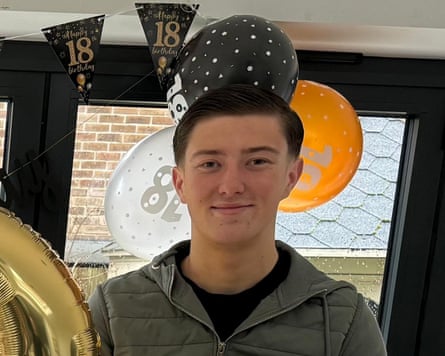
The owner of X, Elon Musk, and the Reform UK leader, Nigel Farage, are among those to have claimed the circumstances of Nowak’s death in Southampton were evidence of bias against white people. Both have in turn been accused of exploiting the teenager’s death.
David Lammy, the UK’s deputy prime minister, told Sky News on Friday that he welcomed the US government’s condolences to the Nowak family but said he did not recognise “this caricature of Britain having a two-tier criminal justice system”.
Starmer on Thursday accused Musk of “interfering in our politics” and attempting to create division.
Musk is a regular poster of ethnonationalist content and a supporter of Restore Britain, the hard-right party set up by Rupert Lowe, a former Reform MP. He has posted for weeks on his social media platform about Nowak’s murder, often using far-right themes and talking points.
The police watchdog, the Independent Office for Police Conduct, is examining the behaviour of the officers who handcuffed Nowak after he had been fatally stabbed.
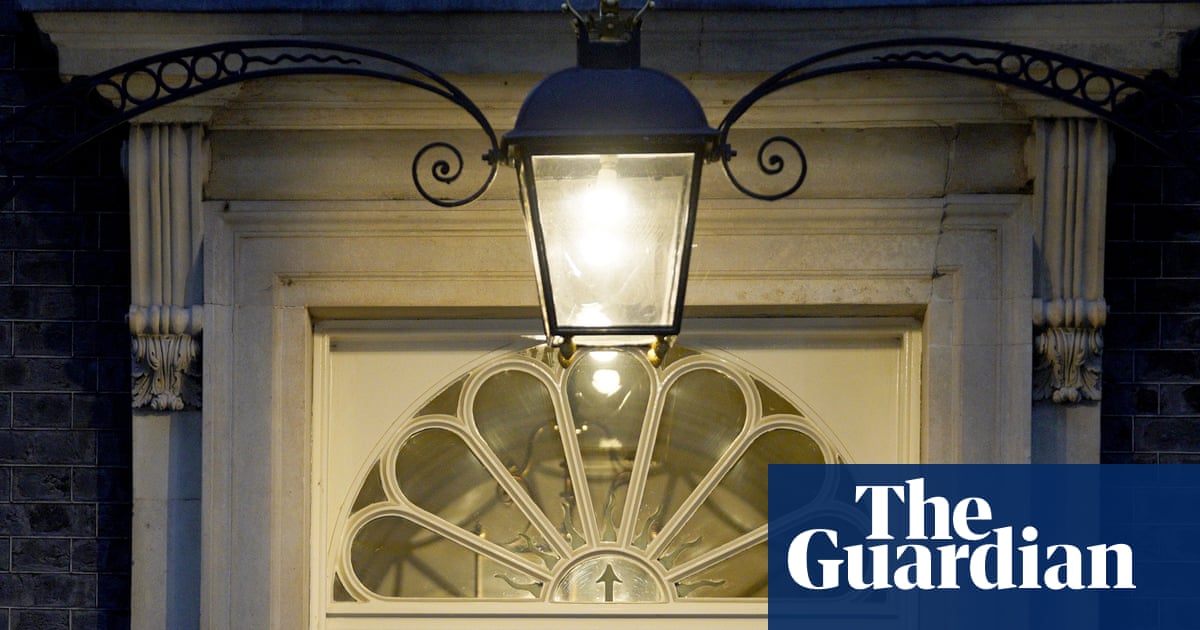
Starmer met Nowak’s family at Downing Street on Thursday to discuss a response to the actions of Hampshire police, saying afterwards he had been “profoundly humbled” and had promised to take “whatever action is required to right the wrongs in this case”.
Earlier, the prime minister stressed he would not give up his job if Greater Manchester mayor Andy Burnham re-enters parliament in a byelection this month and joins a challenge for the leadership. “I’ve said over and over again, I’m not going to walk away,” Starmer said.
He also set out his thinking on his forthcoming defence investment plan, promising it would lead to more jobs in the UK. However, he did not rule out the prospect that there could be cuts to pay for an extra £15bn in spending.
Saying the UK must be ready for war, he told LBC: “I’ve always said we’re going to have to spend more on defence, and so we will set out the funding in relation to defence investment plan. It is about a question of priorities, and this is the top priority.
“I think everybody watching or listening to this will know in their heart of hearts that that has to be the top priority, defending our country, particularly at the moment. It does come with huge opportunities, because I’m absolutely determined that every penny that we spend extra on defence, and we will, has to be seen in jobs and opportunities across the country, in every community.”