3 months ago
139
3 months ago
139
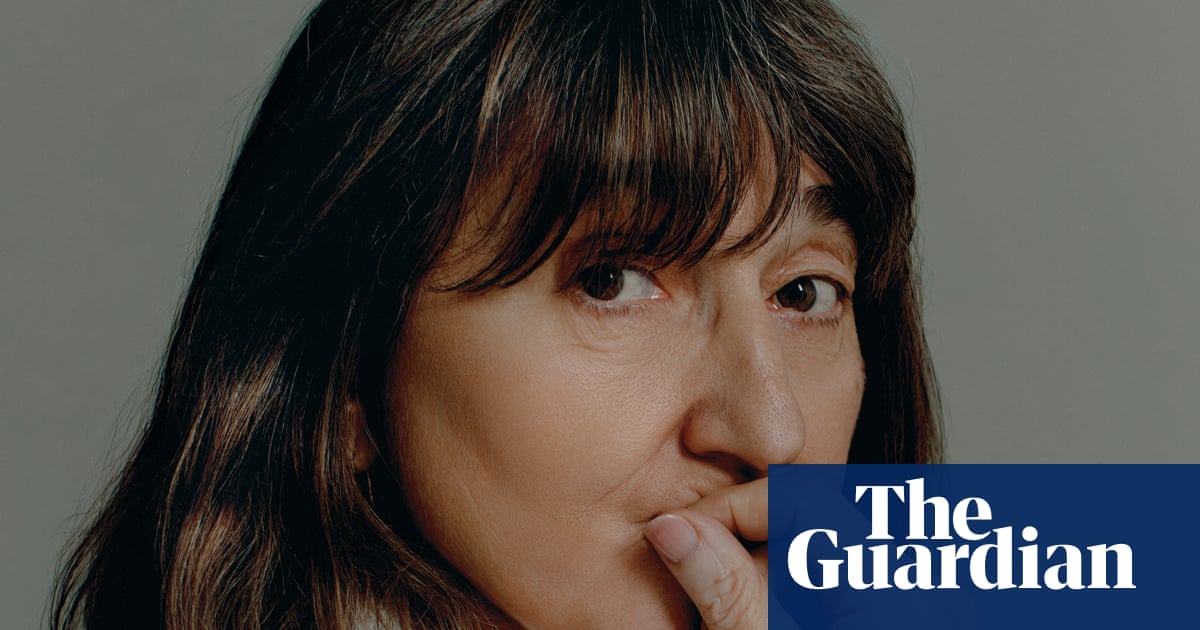
Survivors of Ireland’s mother and baby homes can continue to receive benefits in the UK after Downing Street agreed to protect payments.
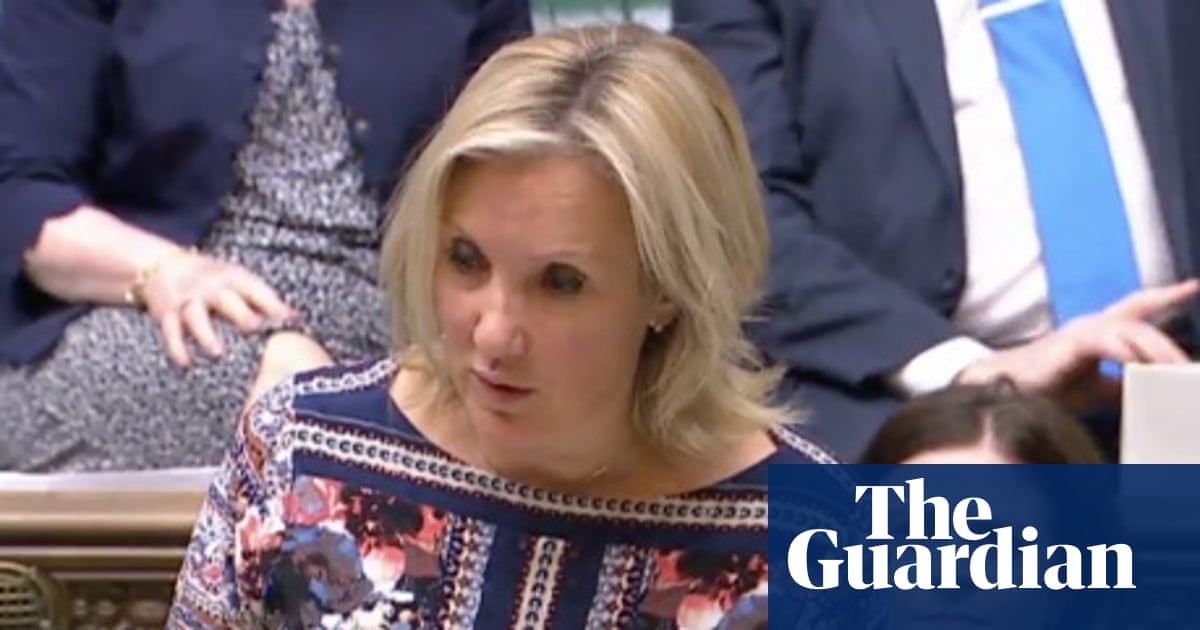
Keir Starmer bowed to pressure from campaigners to back a bill known as Philomena’s law, which would ringfence survivors’ benefits if they accepted compensation from Dublin.
Up to 13,000 of the survivors who are living in Britain risked losing access to essential means-tested benefits if they accepted compensation, which can range from €5,000 to €125,000 (£4,230 to £105,000) depending on the length of time people were resident.
In a joint statement, the British and Irish governments acknowledged the victims’ suffering. “In recognition of the lifelong impact of this, today the UK agrees to disregard payments under Ireland’s mother and baby redress scheme, ensuring that survivors in both countries are treated the same and can receive the compensation to which they are rightly entitled.”
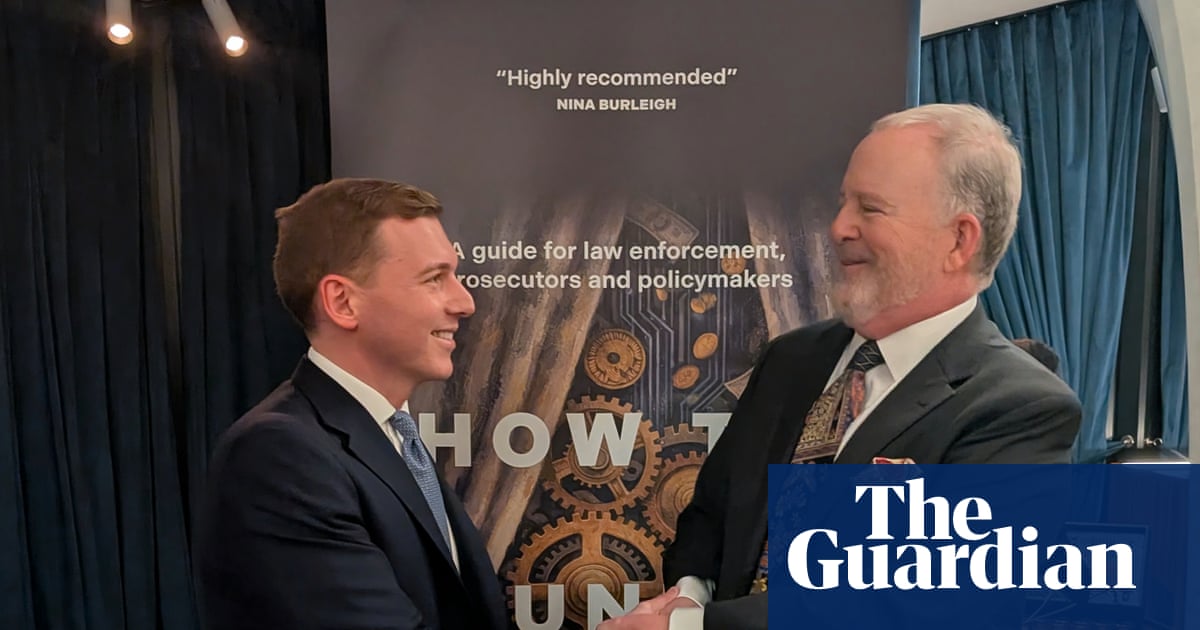
The decision followed an Anglo-Irish summit with Starmer and the taoiseach, Micheál Martin. Campaigners including the actors Siobhán McSweeney and Steve Coogan had urged the government to back Philomena’s law, which was introduced in parliament by the Labour MP Liam Conlon.
“This was about more than redress payments,” said Conlon, who welcomed the news. “It was also about ensuring that we tackle the stigma and shame that have wrongly followed so many women and their children for so long, and about showing thousands of survivors the kindness and dignity they have so often been denied throughout their lives.”
Philomena Lee, a survivor, said no amount of money could undo the pain or give back what was taken from so many women. “But recognition, accountability and redress do matter, and no survivor should ever be penalised for accepting the compensation they are rightfully owed,” she said.
Lee’s story of forced separation from – and her later search for her lost son – inspired the Oscar-nominated Philomena starring Coogan and Judi Dench.
She thanked Conlon, community organisations and other campaigners. “I hope this moment brings long-awaited justice for survivors living in Britain, and that it also helps shine a light on the legacy of the mother and baby homes.”
The Irish government’s redress scheme was introduced after an inquiry detailed the plight of about 56,000 women and about 57,000 children placed or born in homes, mostly run by nuns, between 1922 and 1998. A 2021 report detailed cruelty, neglect and an alarming number of deaths of babies.
The scheme started making payments in 2024. But because it considered a recipient’s savings it imperilled means-tested benefits in Britain, such as universal credit or pension credit, and financial support for social care. Councils sent letters to notify people who received payments that they would lose support such as housing benefit, prompting some survivors not to accept Ireland’s compensation offer.
Patricia Carey, a campaigner, said the situation had created fear and anxiety. She commended Conlon and his team.
Brian Dalton, the chief executive of the group Irish in Britain, said the announcement brought reassurance. “For our member organisations providing vital specialist support, it brings clarity to their work, ensuring survivors’ interests are properly safeguarded.”