4 hours ago
11
4 hours ago
11
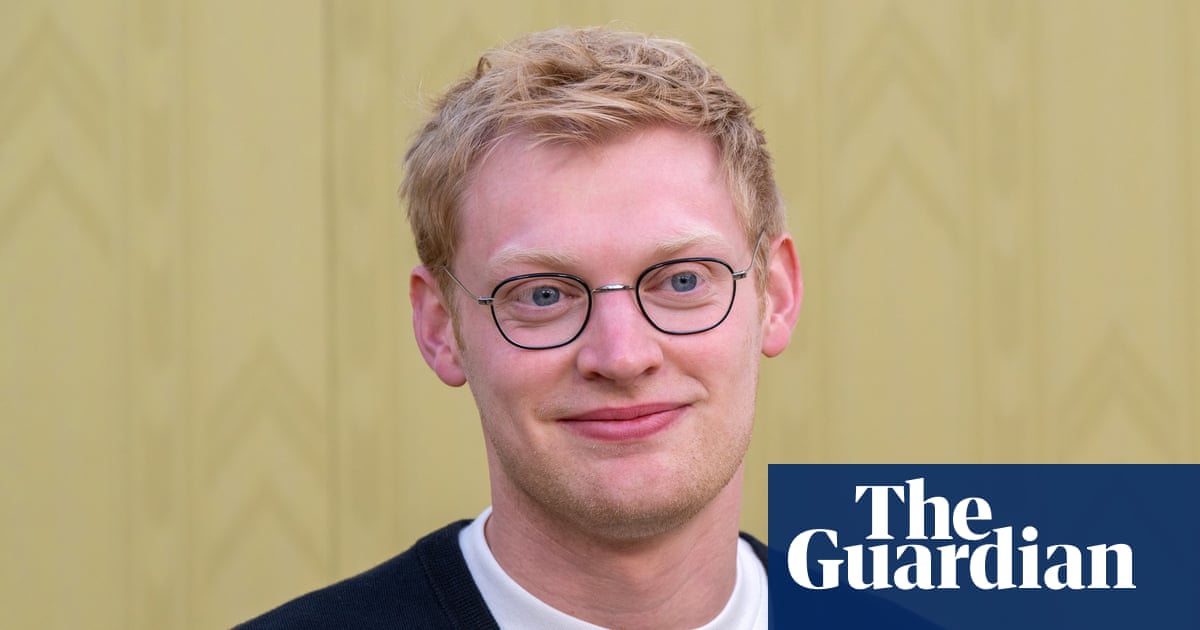
Steven Soderbergh has a certain superpower, not always bestowed on even the most important directors: a capacity to surprise. This is a restlessly productive film-maker, travelling light creatively, developing eclectic projects, shooting on digital, using intimate locations and getting the very best from an invariably classy cast. He has recently found himself in the UK and his latest London-set movie is terrifically exhilarating and funny, as bracing as a large vodka and tonic before lunch: fast, literate and funny with a key plot progression elliptically and unsentimentally managed.
The Christophers is a movie about contemporary art and about what Alan Bennett in his play about Anthony Blunt called “a question of attribution”, and it puts new life and wit into the (perhaps) tiresome subject of movies on this subject: what has value and what does not. An irascible, dyspeptic old English painter called Julian Sklar, wonderfully played by Ian McKellen, is a once dominant but now outmoded and disliked artist of the School of London variety, living solo in a chaotic bohemian townhouse in the capital’s Bloomsbury district; he is a man given to toweringly witty and cantankerous rants against everything that presents itself to his raddled senses.
How has Soderbergh created a subversive turned reactionary Englishman so convincingly? The excellent screenplay is by an American: Ed Solomons, who happens to be the son-in-law of … John Cleese. Until this moment, I had thought that Paul Thomas Anderson with Phantom Thread and Robert Altman with Gosford Park, were the only Americans able to fabricate haughty, echt Englishness. But Soderbergh and Solomons do it superbly well too.
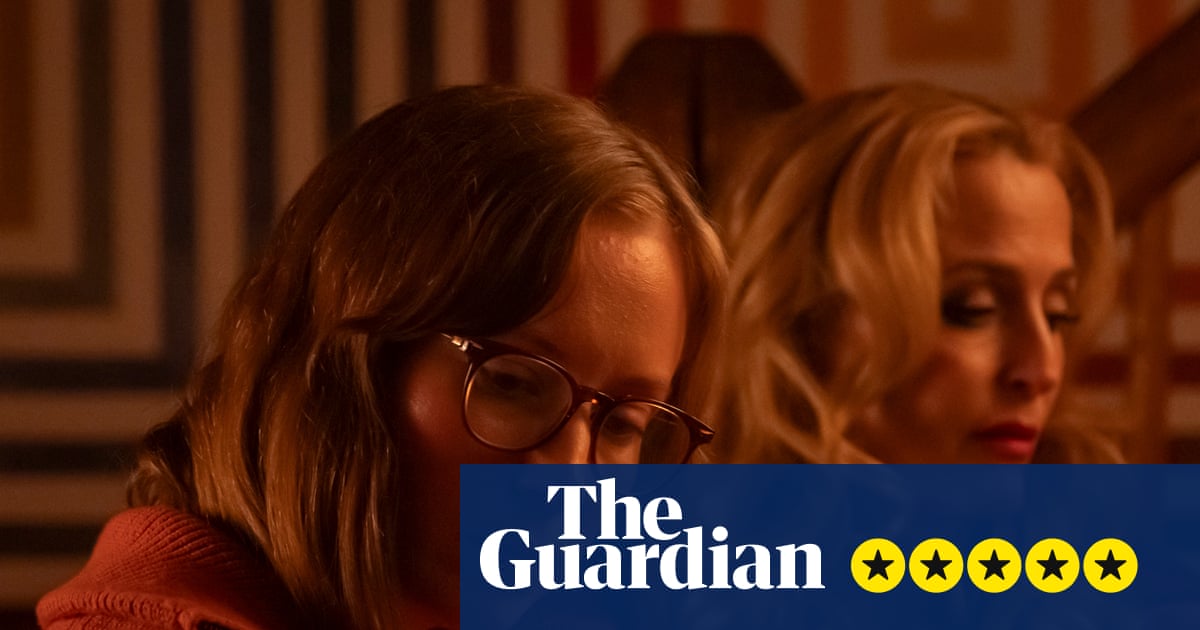
Opposite McKellen, Michaela Coel is at the top of her game as Lori Butler, a charismatically self-controlled former art student fallen on hard times. Coel contains anger and passion within an opaquely polite and unreadable manner as she is hired as Julian’s assistant by his grasping adult children Barnaby (James Corden) and Sallie (Jessica Dunning); the latter pair are heartily disliked by Julian himself, figures of Dickensian mediocrity and greed. Lori finds Julian existing in squalor, recording Cameo videos for easy cash; he has sold off his recent, inferior work in a roadside stunt and has no other income. His tax bill has been bought off with an expensive painting of his hung in the HMRC’s Whitehall offices, and the cruel TV reality show called Art Fight on which he was a judge, humiliating pathetically eager contestants, has long since been cancelled.
Lori is under instructions from the children to find a series of much talked-about paintings that Julian began showing in the 1990s while he was still a big name but then withdrew from sight and hid somewhere in the house; these are passionate studies of his then beautiful lover, Christopher, called “The Christophers”. The odious Barnaby and Callie figure that The Christophers are the only things worth the big money for them; Lori’s job is to find them and, if they are destroyed or unfinished, to forge similar works using her remarkable pastiche skills so they can pass them off as real once he’s dead. Radiating mystery, she may be Julian’s worst enemy, his worst assistant, biggest fan or closest ally.
McKellen is voluble, needling, vulnerable and pathetic; Coel is calm and withholding. She jiujitsus his arrogant insults against him through her refusal to be baited, intuiting and articulating his decline more clearly than Julian himself dares – but also suggests ways back that he hadn’t guessed at. The double act of McKellen and Coel has the onscreen chemistry of the year.