3 months ago
203
3 months ago
203
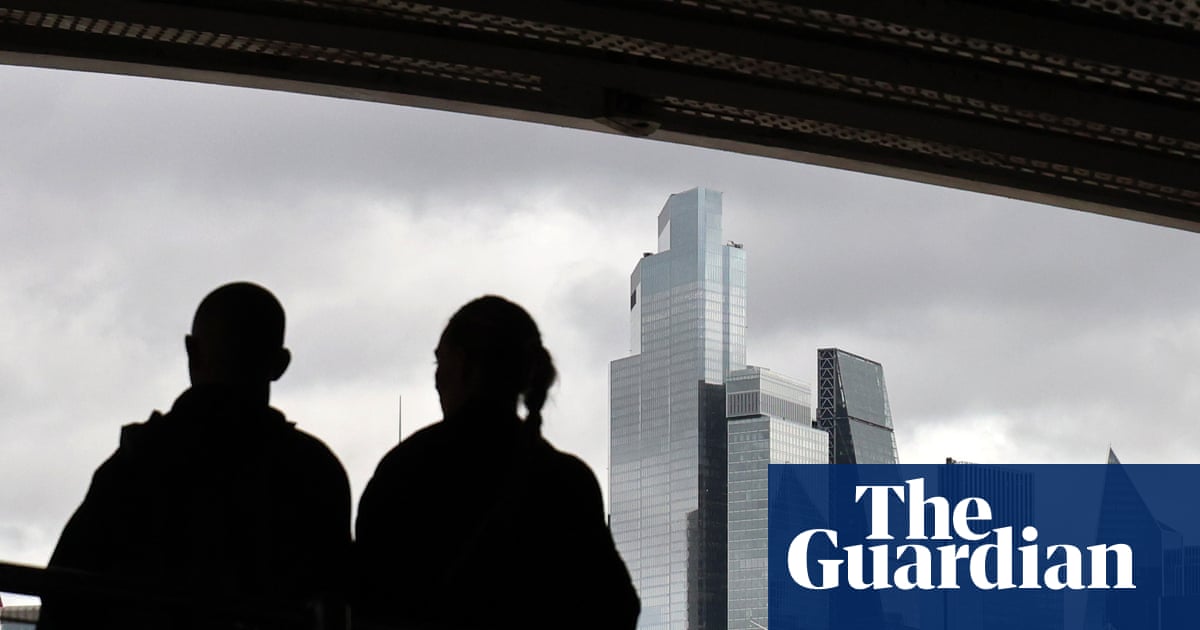
Rachel Reeves’s announcement of a series of cost of living measures this week shows a government trying to prove it still has agency and relevance. The VAT cuts on summer attractions such as theme parks and soft-play centres, free bus rides for the under-16s in England and reduced import tariffs on food are politically useful, but they do not fundamentally alter the UK’s exposure to imported energy shocks. This is a mini-budget, with the emphasis on the mini. The inflationary impact of the Iran crisis, however, will be substantial. That is why the chancellor is moving into crisis-management mode with industrial resilience funds and thinly veiled threats to tax profiteers. But it is unlikely to be enough.
The repercussions from the closure of the strait of Hormuz are reviving the need for more radical state fiscal intervention. Ms Reeves moved pre-emptively because the energy regulator is next week expected to announce that energy bills are likely to rise by £209 to £1,850 a year for a typical dual-fuel household from July. That is an increase of 13% on the current £1,641 annual bill. It will be a direct hit to household disposable incomes – and Labour’s central political claim that the cost of living crisis is easing on its watch. Worse may still be to come. If households absorb a summer rise in bills and then face costs rising again before winter, the government risks a return to the levels of financial anxiety felt after the Russian invasion of Ukraine.

Britain’s inflation vulnerability is because the country is dependent on energy from abroad. This is a result of the country prioritising for decades short-term profits from finance over building homegrown resilience. Labour ministers waived some Russian oil sanctions this week, allowing imports of diesel and jet fuel refined from Russian crude in third countries. The decision reflects Britain’s shrinking refining capacity: the UK can now process only half as much petroleum as it could two decades ago.
Ed Miliband, the energy secretary, is right that the safest long-term buffer is reducing fossil-fuel exposure itself rather than deepening gas dependence through new storage systems. But electrification takes years; Britain’s energy system still faces winter usage spikes; and even in a green power future the UK would still have to import some materials and technology. Can Britain move away fast enough from carbon sources before the next series of external shocks – including that caused by the war in Iran – in the coming months? The jury remains out on that question. The country clearly must radically accelerate the transition to clean power. But it also needs a form of buffering and resilience during the transition itself.
Britain does not risk a pummelling from the markets because it may veer from the Treasury view. Britain’s financialised economy operates through expectations and institutional structures far more than through simple trade arithmetic alone. Britain is not a developing nation dependent on scarce dollar reserves accumulated through exports. What markets punish most severely is political incoherence and weakness. The former prime minister Liz Truss guaranteed inflationary instability without a productive strategy – and paid for her mistakes. Britain has far more room for state-led transformation than the economic orthodoxy admits. It could simultaneously insulate households from energy costs and build a green power base. But transitions must be politically and institutionally coherent enough to sustain confidence while restructuring occurs.
-
Do you have an opinion on the issues raised in this article? If you would like to submit a response of up to 300 words by email to be considered for publication in our letters section, please click here.