2 months ago
107
2 months ago
107
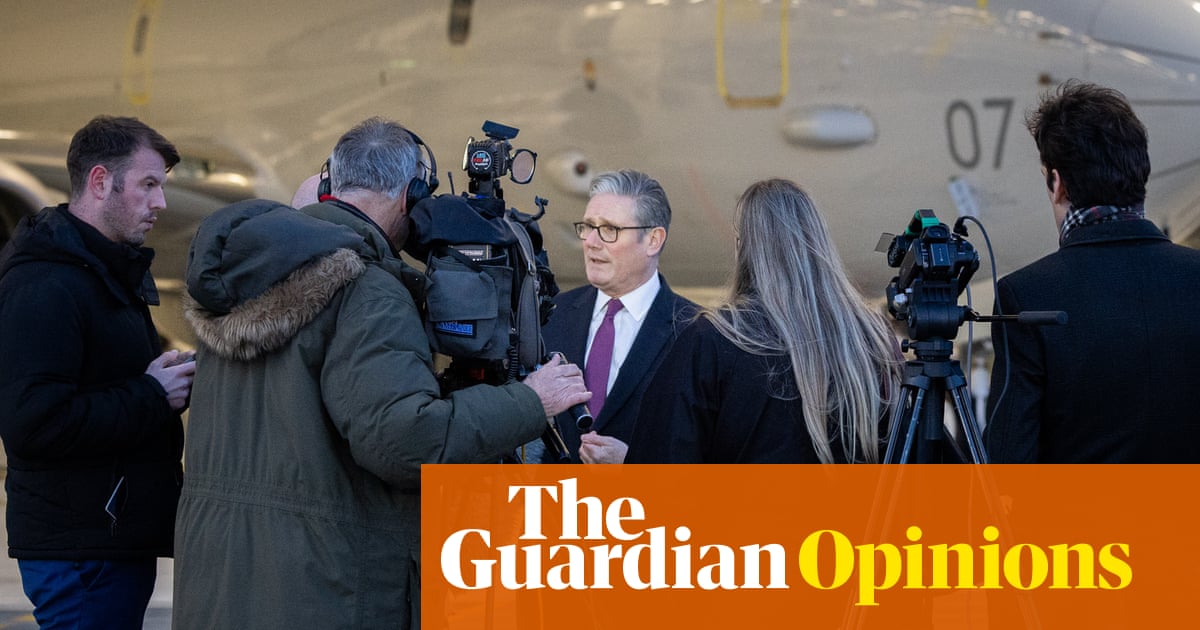
In practical terms there is not a huge difference between proving your identity online with a passport and using a government-issued digital ID. But when possession of the latter is a legal requirement, the distinction has clear political significance. So does the government’s decision this week to abandon proposals to make digital ID mandatory.
People will still have to verify their identities in order to work in Britain. That was declared as the main purpose of the scheme when Sir Keir Starmer announced it last autumn. It would prevent people without the proper entitlement – illegal migrants, in short – having jobs. Now the chancellor, Rachel Reeves, says she is “pretty relaxed” about what kind of ID is used for verification.
Cracking down on undocumented labour is not the only advertised benefit of digital ID. It is sold as a way for all citizens to enjoy streamlined access to public services, but that doesn’t require compulsion. A genuinely useful tool would be taken up voluntarily. Dropping the mandatory element improves the policy, keeping its potential utility while addressing a key concern about civil liberties. The volte-face would be less embarrassing for the prime minister if it did not conform to a pattern of equivocations and U-turns.
This is not even the first such course correction of 2026. Last week the government diluted tax changes that threatened pubs with higher business rates. Last year saw multiple policy revisions and reversals. Often, as in the case of withdrawn winter fuel payments to pensioners and changes to inheritance tax thresholds for farmers, Downing Street has stuck with an unpopular policy long enough to suffer sustained political damage, only to then yield to critics. This method maximises the cost of ill-planned policy and compounds it with lost authority. That was especially true in the case of proposed benefit cuts, abandoned last summer after a bruising and futile clash of wills with Labour MPs.
The combination of combative stances and capitulations has many debilitating effects. It makes the prime minister look weak. It is a disincentive to loyalty, because ministers who dare to defend unpopular positions in public soon enough discover they were wasting their time. Above all, it signals an absence of strategic direction for a prime minister who came to office pledging to fulfil various “missions” but has not yet communicated a coherent sense of purpose.
The government is without ambition or achievement. Commitments to renewable energy, planning reform, infrastructure investment, enhanced rights for workers and renters could all be woven into a narrative of national renewal and collective security. But articulation of a grand vision is not in Sir Keir’s natural skill set.
He now declares that the cost of living will be the object of his “relentless focus” this year. It is a sensible priority. Ensuring voters do not feel worse off in the coming months is a necessary condition for the prime minister’s political survival, but not a sufficient one. Domestic economic performance is not something any government can entirely control, especially in times of immense global volatility. The likelihood of unexpected crises makes it all the more important that the prime minister looks resolute and competent. The pattern of U-turns doesn’t help. It is hard to maintain confidence in the judgment of a leader whose constant vacillations imply an inherent lack of conviction.
-
Do you have an opinion on the issues raised in this article? If you would like to submit a response of up to 300 words by email to be considered for publication in our letters section, please click here.