3 months ago
137
3 months ago
137
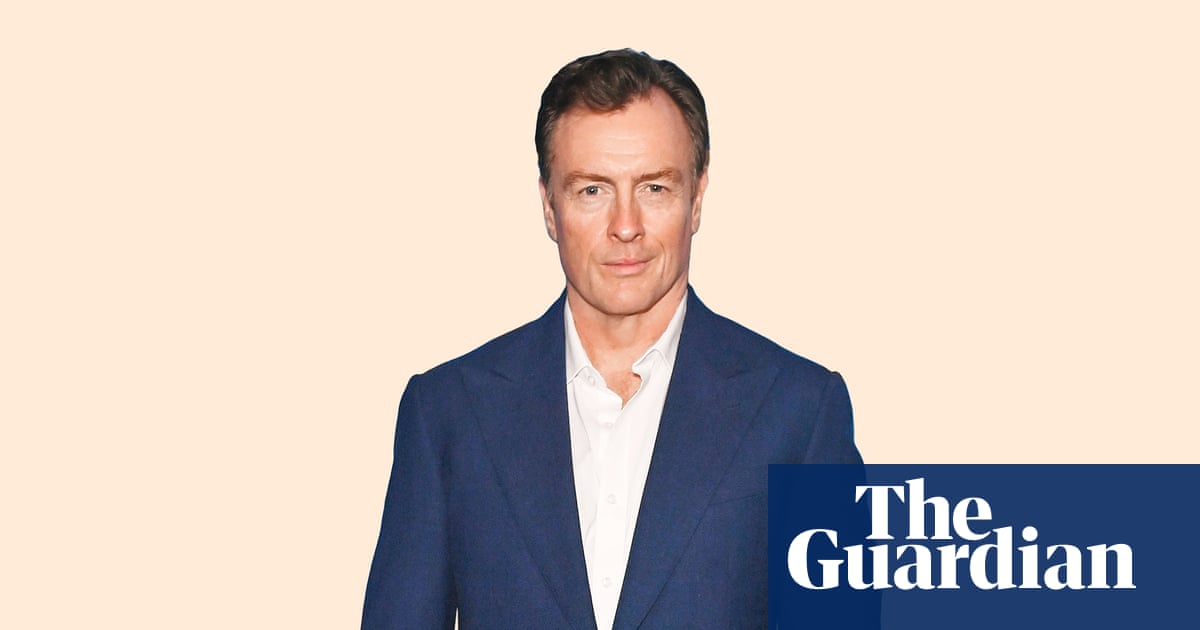
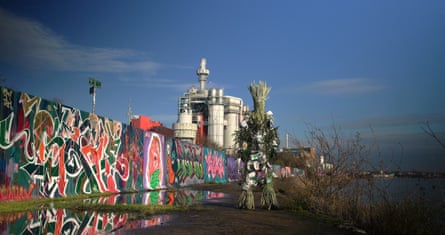
On the Deptford foreshore, a ghoulish figure is sinking into the Thames. Performance artist zack mennell (who writes their name in lower case) wades to their belly button as a crowd watches on. DAs they dip down further, their mutant costume – sewn together from 24 adult nappies – swells with water … and waste.
mennell’s work smears the personal and political across their body. The Thames performance is the finale of a project called (para)site, made in response to revelations of sewage discharge in our waterways and a reaction to the way benefit claimants are labelled a drain on society. “OK,” mennell thought, “I’m going to be the parasite.” Their taking on of pollution was more literal than they intended; they contracted Weil’s disease from rat urine in the water.
Such messy, muck-slathered work is, mennell admits, “a bit weird, a bit intense, a bit silly”. Growing up by the chalk pits of Thurrock, Essex, and making their way into London’s live art scene for its “hotspot of queer iniquity and filth”, they were always drawn by the Thames. It’s what called to mennell in their darkest moments; where they walked when they were getting sober; and where they return for their art, including their latest film, a sea change. “I feel like I’m working with it,” they say of the water, “sometimes arguing with it too.”
For those uninitiated in live art, mennell’s work can be challenging to the audience. As artist-in-residence at queer performance and discussion season Rat Park, mennell drenched themself in a gloopy, lube-like thickening agent to explore pollution and shame, and gathered the audiences’ spit in their hand as a meditation on community. But it’s never about unsettling their viewers. “It’s a confrontation,” mennell acknowledges, “but it’s also about finding a moment of connection.” Live art is “not just people getting naked because they want to”.
In March, mennell is extending this connection by opening the doors of nearby Peckham’s ramshackle Safehouses to Common Host, a weekend of performances, screenings and workshops engaging with ancient folklore and ecological decay. Their fascination with the postindustrial pollution of natural landscapes is inspired by their home town, which hosts both Neanderthal remains and Amazon warehouses.
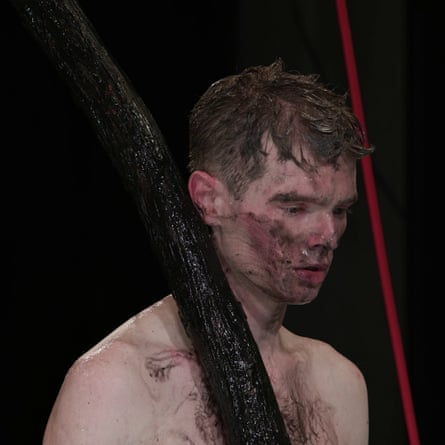
Much of their work springs from this collision of people and place. “Performance art is a meeting point,” mennell says. “You are creating a community, even if it’s a temporary one.” Supported by experimental performance producers Future Ritual, Common Host will include work from artists including mennell’s frequent collaborator Martin O’Brien. “Queer performance is often working with friends or lovers,” mennell says. “That’s true of any art form where you’re dealing with difficult, sensitive topics.”
mennell doesn’t like to “pin down” their work, but the topics they explore – queerness, disability, survival – deserve to be handled with care. When they were at university, they had a mental breakdown. While standing in the silty, murky Thames, mennell held their own NHS letters – psychiatric documents and assessments – printed on rice paper, letting the words dissolve into the water. This finale of (para)site is just one of the performances they’ve created using the documents from that time, which spoke “about me and never to me”. In another use of the adult-nappy suit (they tried to keep the one from the Thames, but “the smell wasn’t healthy”) they asked audiences to read these documents out to them, in turns dissolving meaning and honing in on individual words and phrases, chipping away at their power.
In light of their experience of institutions, mennell is wary of how their art might be perceived. “There’s been a bit of anxiety about my behaviour in performance being pathologised,” they say. But using these cold, official documents as material in performance has been “the only way I could change my relationship with this growing pile”. A similar unburdening is now being offered to others as part of Common Host. A day-long workshop will welcome people to examine their difficult relationship with a “contaminated” material and work on shifting the hold it has over them. “It’s an invitation,” mennell says, “to look at your relationship to an object and redefine it.”
Collecting ideas like pebbles from the shore, Common Host “curated itself”, mennell says, because it is ultimately a drawing together of artistic friends. “I make solo work, but it only exists because of these connections,” they say. “Queer community is the understanding that our society’s focus on family isn’t so sturdy. For me, it was coming to London to be among people that are like me.” This community, they say, “means everything. Being together is how we go on. It’s a reason to live.”