2 months ago
103
2 months ago
103
Twenty-five years ago, the UK made the bold and generous gesture of making its national museums free to all. Suddenly, anyone from anywhere in the world could gaze at iconic works of art by the greatest artists in history without having to pay a penny. Many incredible artworks were suddenly accessible to everyone: Hepworth, Turner and Hockney at Tate Britain, and Bonnard, Picasso and Bourgeois at Tate Modern (which had both always been free) were now joined by Raphael at the V&A and Kapoor at the Walker Art Gallery, dramatic seascapes at the National Maritime Museum and bustling cityscapes at the Museum of London. And maybe afterwards they would reward the gallery by buying a slice of cake in the cafe or a print of their favourite work in the gift shop.
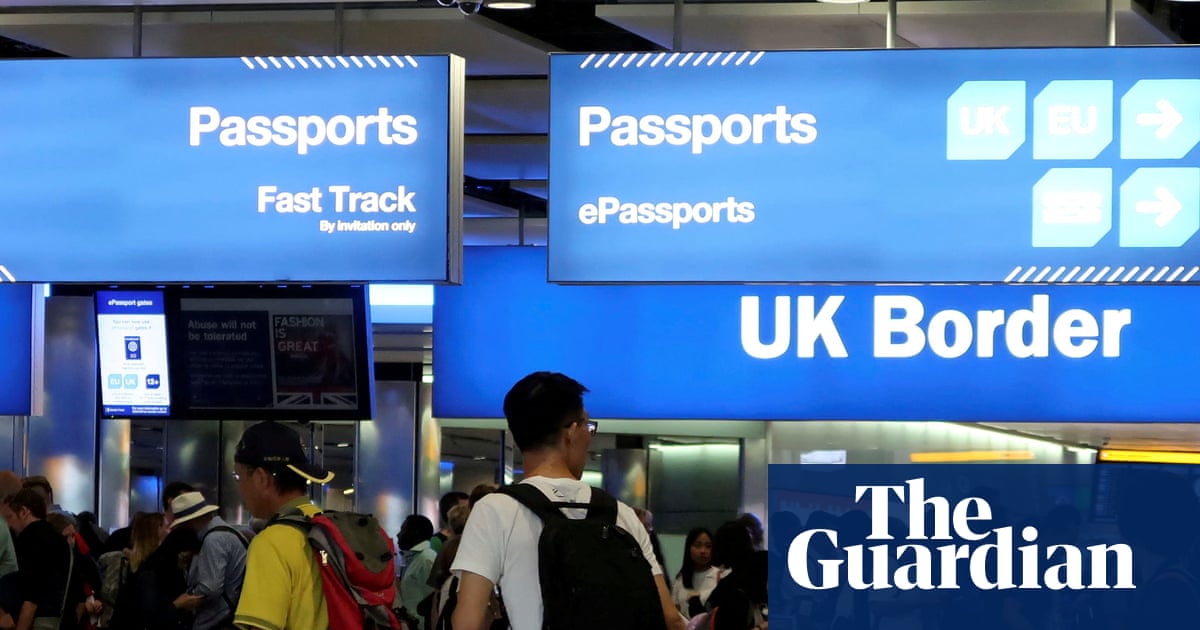
In the years that followed, this policy proved to be a huge success. It led to a dramatic and sustained increase in audiences. Within the first decade, visits to museums which used to charge rose by 151% – the uplift was 180% at the Natural History Museum and V&A, and 269% at National Museums Liverpool. Is now really the moment to reverse direction by charging international tourists to access our museums and galleries, as ministers are proposing?
I forged my career in Copenhagen and Oslo before coming to London to run Tate Modern. And I can tell you that the UK’s cultural collections, and the model that permits anyone to access them, are a source of envy and admiration around the world.
These rich artistic holdings are integral to the UK’s national identity, fostering a genuine understanding of art, culture and heritage that has the power to bring us all together. We all benefit from making these treasures accessible to anyone who seeks them. Or to put it another way, if the UK reduced access to others, its own citizens would miss out too, because 73% of international tourists cite the cultural offer as the primary reason to visit the UK. Those tourists don’t just spend in museum shops and cafes, they also use local restaurants, hotels and transport, fuelling a much wider economic picture that it would be counterproductive to disrupt.
Our national collection itself has also become increasingly international over the years. Tate, for example, has championed a more global story of art – from modernism in Nigeria and surrealism in Egypt, to digital art in Brazil and performance art in Japan. To erect barriers between the art that crosses continents to reach our gallery walls, and the people from the very countries that art was created in, seems like a paradox.
Yes, we need to explore new ways of raising money for our cultural institutions and I do appreciate the government looking into various options. For some museums, charging tourists might help, but for a lot of us, it is not the right solution. We have worked through the impact it would have for Tate, and the numbers don’t add up: the lost income from exhibition tickets, shops and cafes would outweigh any gains from charging admission.
And the loss would be more than just financial. Fundamentally, Tate’s mission is to increase the public’s enjoyment and understanding of art. Universal free admission allows us to fulfil that mission in ways that are truly exceptional: Tate Modern is the most popular modern art museum in the world by a long shot, attracting 4.5 to 5 million visitors every year. By contrast, MoMA in New York, which charges for entry, attracts around half that number.
These substantial visitor numbers help UK museums hold their place on the world stage – they are the reason our peers, donors and lenders are so generous in their support for us. Put simply, our museums often deliver the largest and most diverse audiences, and the global artistic community wants to invest in that success. It’s why artists so generously donate their works to our collection, and why philanthropists have stepped up to support our endowment fund.
In the months ahead, we will hear arguments about whether charging tourists could help save public money, and whether museums themselves would see a net benefit or not. But one thing is undeniable: the result would be fewer people experiencing, enjoying and taking inspiration from the extraordinary collections we hold in our galleries and museums across the UK.
Why inflict that damage when there is already an alternative on the table? A modest hotel levy – as implemented successfully in Paris, Berlin, New York, Venice, Barcelona and more – could raise around £1bn. If that income were ringfenced for UK museums, it could have a transformative impact on our cultural offer across the country, allowing the doors to our museums to stay open and free to all for generations to come.
-
Karin Hindsbo is interim director of Tate, and former director of Tate Modern, London and the National Museum, Oslo