2 hours ago
10
2 hours ago
10
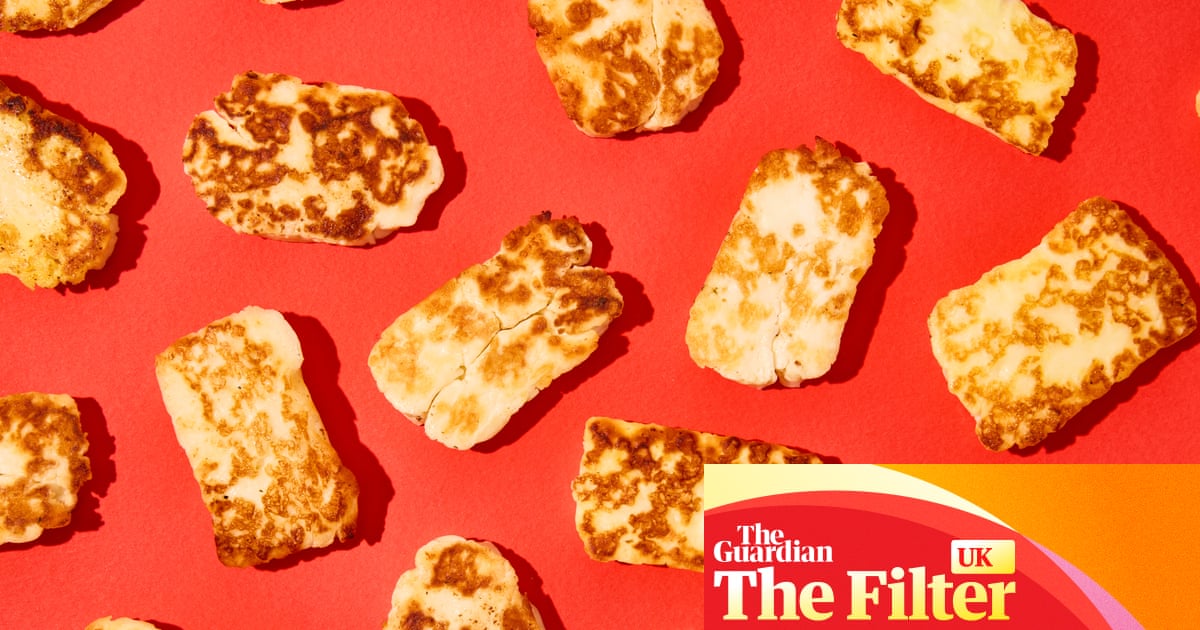
A “Typhoon Dim-sum” could one day be on the horizon after the name was added to the Asia-Pacific region’s official list of tropical cyclone names this week.
It features among nine names to be added to the list of future tropical cyclones, with each name contributed by a country. The names of tropical storms are generally recycled, replacing those which have caused serious casualties and economic loss.
So how does a mouth-watering snack come to be endorsed by the UN-backed Typhoon Committee?
Why will a storm be called Typhoon Dim-sum?
Dim-sum was Hong Kong’s contribution to the nine new tropical cyclone names introduced in 2026 to the list in the western North Pacific and the South China Sea.
It was part of a “reserve list” of tropical cyclone names with regional characteristics developed by the Hong Kong Observatory with the help of the public in 2023. Dim-sum came fourth, with “milktea” coming out on top of the poll which attracted more than 20,000 votes.
What are the usual naming protocols for typhoons?
There are 140 names on the list compiled by the Typhoon Committee, formed jointly by the United Nations and the World Meteorological Organization to help Asia Pacific countries prepare for tropical storms. Tropical cyclones are also called hurricanes or typhoons, depending on the region.
The names of tropical storms are generally recycled and used again, but new names are introduced to replace those which are retired after a cyclone has caused serious casualties and economic losses.
Since 2000, each of the 14 member countries provides 10 names, selected from the local language and culture of the area.
The change was introduced to better raise cyclone awareness through use of familiar words – such as animals, plants, historical figures and food – that populations could recognise. The first named storm in 2000 was called “Damrey”, meaning elephant in Cambodian, while the US contributed names of Palauan, Marshallese, and CHamoru (also known as Chamorro) origin.
Before then, English names had been used. The practice of naming storms started during the second world war when meteorologists from the US defence force named Pacific ocean storms after their wives and girlfriends.
What are the other names for tropical cyclones that have just been approved?
Nations whose previous contributions are retired, are responsible for proposing new ones but they have to be endorsed by the Typhoon Committee. They cannot be indecent, carry negative connotations in other languages, or be named after public figures.
Dim-sum will be joined by North Korea’s contribution of “Gaeguri” (meaning a frog), “Hoaban” (a typical flower of the north-west mountains of Vietnam), and “Tirou” (Micronesia’s contribution, a respectful way of greeting in Chuukese culture).
Japan contributed two new names: “Hebi” meaning snake, and “Tomo” meaning stern, while Cambodia chose “Koki” (a large tree), the Republic of Korea “Narae” (the wing of a bird or an insect), and Thailand “Burapha” (East).
In 2005, Hong Kong had two proposed names knocked back. Thailand rejected Hong Kong’s suggestion of “Kapok” (meaning a silk-cotton tree in Hong Kong) because it sounded like a Thai slang word for an intimate part of the male anatomy, while “Tai Chi” was opposed by Japanese officials who said it sounded like a child’s name.