2 months ago
94
2 months ago
94
An Anglo-French led stabilisation force for Ukraine would have to deploy thousands of combat troops if it is to successfully dissuade Russia from breaking a post-war ceasefire, according to a former commanding general of the US army in Europe.
Ben Hodges said the proposed multinational force, discussed this week by the British and French leaders with Ukraine’s president Volodymyr Zelenskyy in Paris, had to be robust enough to deal with likely Kremlin-orchestrated provocations.
“The coalition of the willing has to have real force and rules of engagement that allow it to immediately react and respond to any violations,” he said. “Captains can’t be having to call back to Paris or London to find out how to deal with a Russian drone”.
The retired general said: “Anybody who believes that Russia will live up to any agreement is not being realistic” – a reference in part to the period between 2014 and 2022 when there were repeated violations of the old ceasefire lines in Ukraine.
At least, British and French troops would need to be able to defend themselves from drones and other forms of attack, Hodges said, as it would be very likely that “Russia will immediately test their responsiveness”.
Russian forces, the former general added, “have to look over there and say these guys are serious, not parked in a barracks somewhere near Lviv. So far there is not enough detail to judge.”
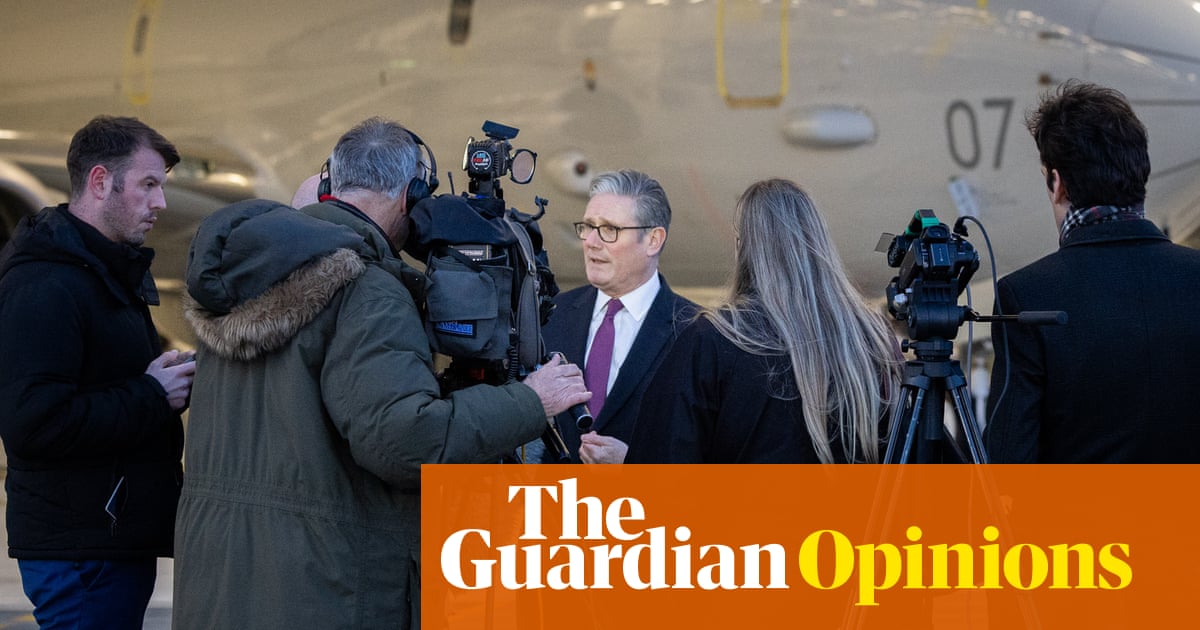
Keir Starmer and Emmanuel Macron reiterated a commitment to deploy ground troops to Ukraine in Paris on Tuesday by signing a declaration of intent with Zelenskyy.
The two leaders said that air and naval forces from the countries and its allies would also be part of the package, though there is no sign of a breakthrough in peace talks. Russia has said it consistently opposes the idea of any western troops in Ukraine.
The multinational force, relatively modest in size, would work closely with Ukraine’s 600,000-strong army and help retrain it and rebuild it, but other than promising to establish “military hubs across Ukraine” in unspecified locations, details were scant.
The European leaders declined to say how many ground troops would be involved while the UK Ministry of Defence would not say explicitly if combat troops would be part of the deployment, citing operational sensitivities.
On Wednesday, Starmer told MPs that once a ceasefire was agreed, they would be told how many British troops would be required and given a vote on the issue. He also did not confirm if combat troops would be involved in response to the Conservative leader Kemi Badenoch.
Instead, the prime minister did refer to a need to conduct deterrence. “I will be clear with the house that there would only be deployment after a ceasefire. It would be to support Ukraine’s capabilities, to conduct deterrence operations, and to construct and protect military hubs,” he said.
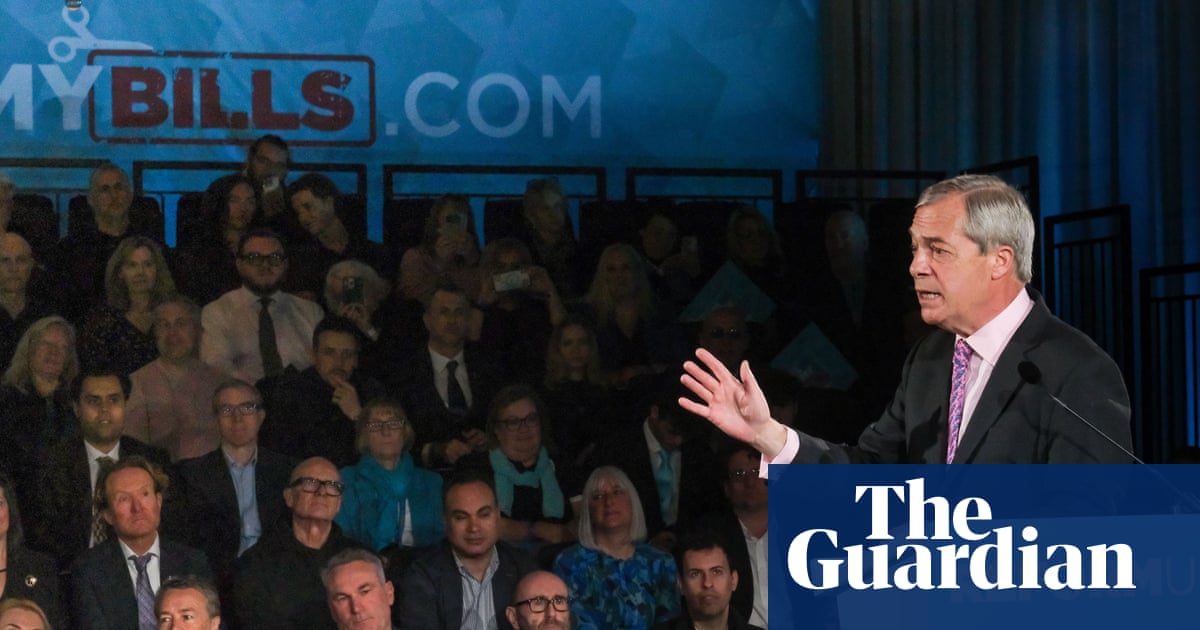
Nigel Farage, the leader of Reform, said in a radio interview that he would vote against sending British troops to Ukraine. “We neither have the manpower nor the equipment to go into an operation that clearly has no ending timeline,” he said.
The multinational force had never been expected to be very large, somewhere between 10,000 and 15,000 in size, reflecting European countries’ relatively small armed forces. The latest figures show the size of the British army fell to 70,300 by 1 October , its lowest level in more than two hundred years.
Few countries have committed to participate so far. Friedrich Merz, the German chancellor, suggested his country could engage in “deploying forces on Nato territory neighbouring Ukraine after a ceasefire,” with a possible view to help freeing up troops from other countries.
The US, Poland and Italy have said they would not supply ground forces either, though Turkey has said it would be willing to help. The US has said it is willing to support “security protocols” to maintain peace, partly in the belief that if a deal can be agreed between Moscow and Kyiv it is likely to be durable.
Its mooted size contrasts with the 60,000-strong Nato peacekeeping force that enforced the first stages of the Bosnia peace agreements for one year from December 1995. Three divisions, led by the US, UK and France, separated Serbian forces from an alliance of Bosnians and Croats after three years of fighting.
John Foreman, a former UK military attache to Russia, said: “What will a 15,000 strong force do? It will probably be west of the Dnipro river and not on the front line. They are there to complicate Russia’s decision making and to be a trip wire force if fighting restarted. The punishment force would be air forces.”