1 hour ago
9
1 hour ago
9
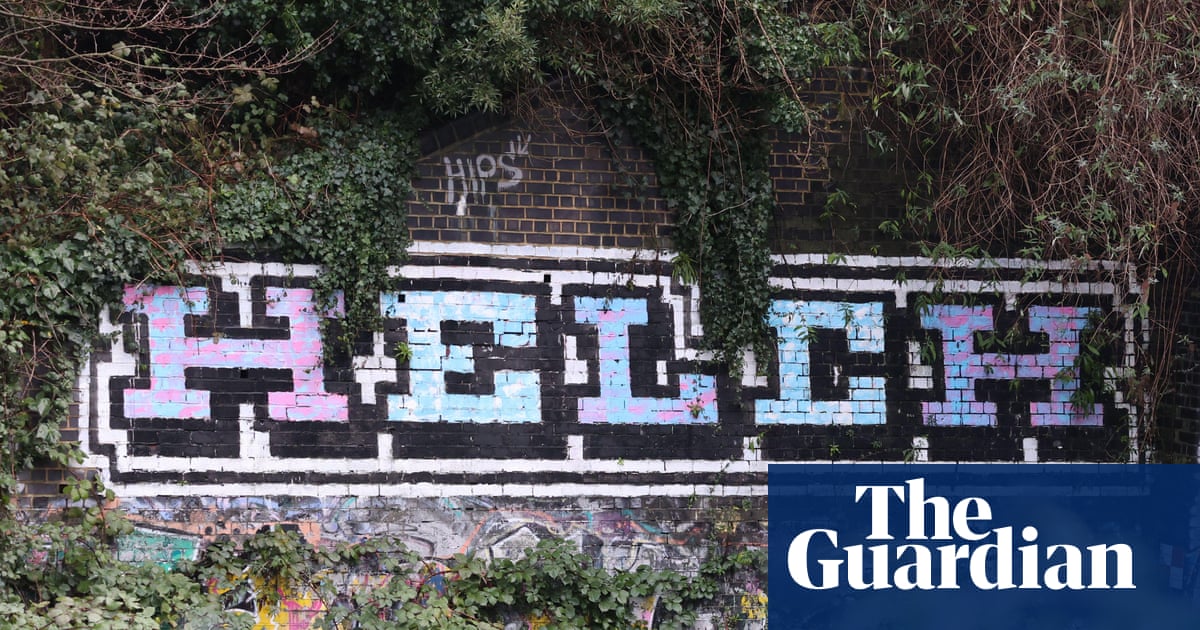
After years of trying to dig for oil in Surrey, the company behind the drilling project that was turned down in a landmark supreme court ruling has sold off the site for a fraction of the money it spent on it, and rebranded as a clean energy company.
Meanwhile, the new owners, who picked up the site for £1m, are applying, once again, for permission to dig.
UK Oil and Gas (UKOG) spent more than a decade trying to develop Horse Hill oilfields, where they said they had found 100bn barrels of oil. But in 2024 the supreme court, in a decision which has since become known as the Finch Ruling, decreed that “a planning authority should have considered the indirect downstream greenhouse gas emissions of an oil and gas project as part of its environmental impact assessment” and overturned a council decision to let expansion go ahead.
The Guardian understands that the implied value of the Horse Hill licence area reached a peak of £46m in September 2018 after UKOG agreed to buy a 14.3% economic stake from a group of vendors for £6.6m. The surging valuations given to the fields was driven by industry estimates that there could be about 9.24bn barrels of oil in the tight Jurassic shale and conventional reservoir sections within the Horse Hill licences.
Public records appear to show UKOG invested more than £25m into the site. Prior to the £1m sale, UKOG’s financial accounts showed that it had written down the value of its Horse Hill interests to just £55,360 on its balance sheet.
UKOG has now changed its name to UK Energy Group, seeking to shift its focus towards salt-cavern energy storage and other clean energy projects.
Stephen Sanderson, the company’s chief executive, said while the company still sees “potentially material resources” at Horse Hill, the divestment presented “timely and attractive opportunity to complete UKOG’s exit from the UK onshore oil and gas sector”.
The company reportedly raised £1m in 2025 to develop hydrogen-storage projects in south Dorset and Yorkshire, and a further £500,000 to acquire land for a proposed East Yorkshire salt-cavern site.
Guy Prince, the head of energy supply at energy transition thinktank Carbon Tracker, said Horse Hill was an example of “regulatory stranding”, in which climate litigation and regulatory shifts undermine the value of a fossil fuel asset.
“The same transition risk can have really radical financial consequences depending on who owns the asset,” he said. “For a major [company], it might impair one investment opportunity. But for a small company concentrated on one project like this, it just transformed the entire business.”
New owner Energy B is taking over UKOG’s application to drill for oil in Surrey. Horse Hill Developments Ltd, which it now controls, submitted a renewed planning application to Surrey county council in May for four production wells, a new oil processing area, tanker-loading facilities and a fluid reinjection well.
The proposal would allow nearly 700,000 tonnes of oil to be extracted over 20 years.
Sarah Finch, the campaigner who brought the successful legal challenge to the supreme court in 2024, said there were “serious shortcomings” with the application’s new environmental assessment.
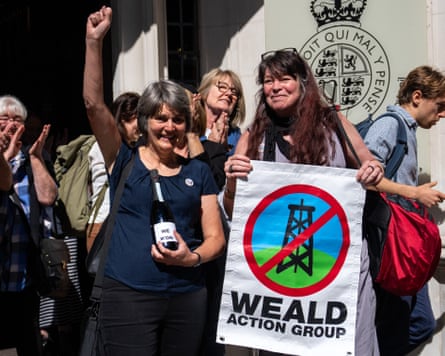
“New guidance from the government and pre-existing guidance all say that they have to place the emissions from a new proposed project within a cumulative context of all current and approved fossil fuel projects,” Finch said. “They didn’t make any attempt to do that, although the data is readily available out there.”
The application estimates that the development would result in about 2.3m tonnes of greenhouse gas emissions over its lifetime, including emissions from the eventual burning of the oil, but concluded the impact was “insignificant”.
Planning documents said: “Horse Hill would account for around 0.05% of the projected UK carbon budget; an insignificant contribution that would give rise to insignificant climate change effects.”
after newsletter promotion
Finch said the developer’s argument was “false”. “Any greenhouse gas emissions are significant,” she added. “The International Energy Agency has said we can’t afford any new oil or gas. Any additional fossil fuels are going to make it impossible to stay within the 1.5C target, so [the emissions] are significant.”
The application argued that extracting up to 678,693 tonnes of oil at Horse Hill would improve energy security by reducing the UK’s reliance on imports. An Energy B spokesperson said: “At a time of global uncertainty and energy price shocks, domestic oil and gas production increases energy security.
“We are confident of meeting all the necessary legal and environmental requirements for the site. With the oil being refined in the UK and the gas serving the domestic market, the field will contribute positively to the UK economy.”
Finch disputed that argument, saying domestically produced oil was typically traded on an international market rather than necessarily supplying British consumers.
Finch said Surrey county council’s decision would be a “significant test case” for whether the climate risks of fossil fuel projects are being properly assessed after the supreme court ruling.
The local authority’s formal consultation closed on 13 July, although the council has said it will consider submissions received before it makes its decision, which could be reached this month.
Finch said the Weald Action Group would not rule out seeking another judicial review if the council approved the development. “We’re fairly confident that the environmental statement that’s been submitted isn’t compliant with the law and the new guidance,” she said.
UK Energy Group/UK Oil and Gas declined to comment.