3 months ago
143
3 months ago
143
Five former education secretaries have made a joint appeal to Labour MPs to back the overhaul of special education provision in English schools, calling it “a once in a generation chance” to fix a failing system.
The open letter is signed by David Blunkett, Estelle Morris, Charles Clarke, Ruth Kelly and Alan Johnson, who between them held the post for a decade from 1997.
It comes ahead of the schools white paper, due to be published on Monday, which will set out proposals to transform the special educational needs and disabilities (Send) system, in what could be one of the defining policy challenges of Keir Starmer’s administration.

Downing Street is desperate to avoid any sort of rebellion, mindful that any repeat of the chaos which followed attempts to change benefits for disabled people could fatally undermine the prime minister’s authority.

The proposed changes to Send have been received more positively by Labour MPs, not least because of the near-universal acceptance that the current system does not work.
But a number remain nervous, particularly on areas including proposed changes to how children qualify for an education, health and care plan (EHCP), which legally entitles them to support.
The letter by the former education secretaries sets out the political stakes.
“As former Labour education ministers, we know that this really is a once in a generation chance to change a broken system for good, a unique opportunity to deliver better life chances for millions of children across our country,” says the letter, also signed by Jim Knight, an education expert who served as schools minister from 2006 to 2009.
The changes to be set out by Bridget Phillipson, the education secretary, “will enshrine the importance of children being confident to attend their local mainstream school and develop friendships in their local community for life”, the letter says.
“From our own experience, we know how hard it is to get reforms like these right,” the letter continues, saying the plan had been “painstakingly put together after more than 18 months of consultation”.
They added: “We must not betray the millions of children across our country who deserve the best from their government, and their politicians.
“These reforms will give those children more support, not less, after years of having the help they need supplied too little, too late, and too often not at all.
“We urge all our colleagues and every Labour member to back those changes as ministers embark on the greatest reform this government has yet laid out.”
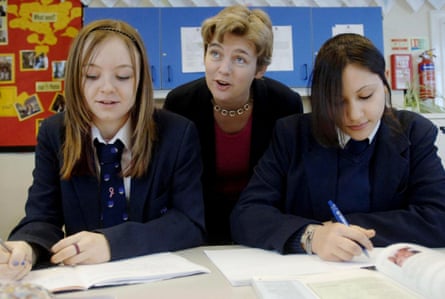
While there will be significant political focus on changes to EHCPs, with children expected to face a review when they move to secondary school, the wider focus of the white paper will be on better including children with all but the most severe needs in mainstream schools. The schools will receive support for this directly.
One government source said: “There are MPs who are understandably nervous about all this, not least because of all the letters they get, but for the most part they like the direction of travel.

“And when they see the final proposals, they will understand and welcome where we’re going on this. This is a good Labour package, underpinned by good Labour values. We want parents to get the help they need without being forced into a legal fight with their council.
“The school system has not kept up with the pace of change that children are experiencing in their lives. We utterly reject this narrative of ‘overdiagnosis’. That needs to be banished from the debate.”
There are lingering concerns among Labour MPs on several issues, including whether parents will still have the right to make a legal appeal if they feel their child is not being properly supported.
One said: “There is understandable anxiety amongst parents, but if the reforms as a whole look to promise a better system with enough time for a smooth transition, then I think MPs will recognise that.
“Where I think the challenges may come is on the legal redress issue – if parents have enough confidence that they can hold schools and local authorities to account on the support they are supposed to be giving.”