3 months ago
217
3 months ago
217
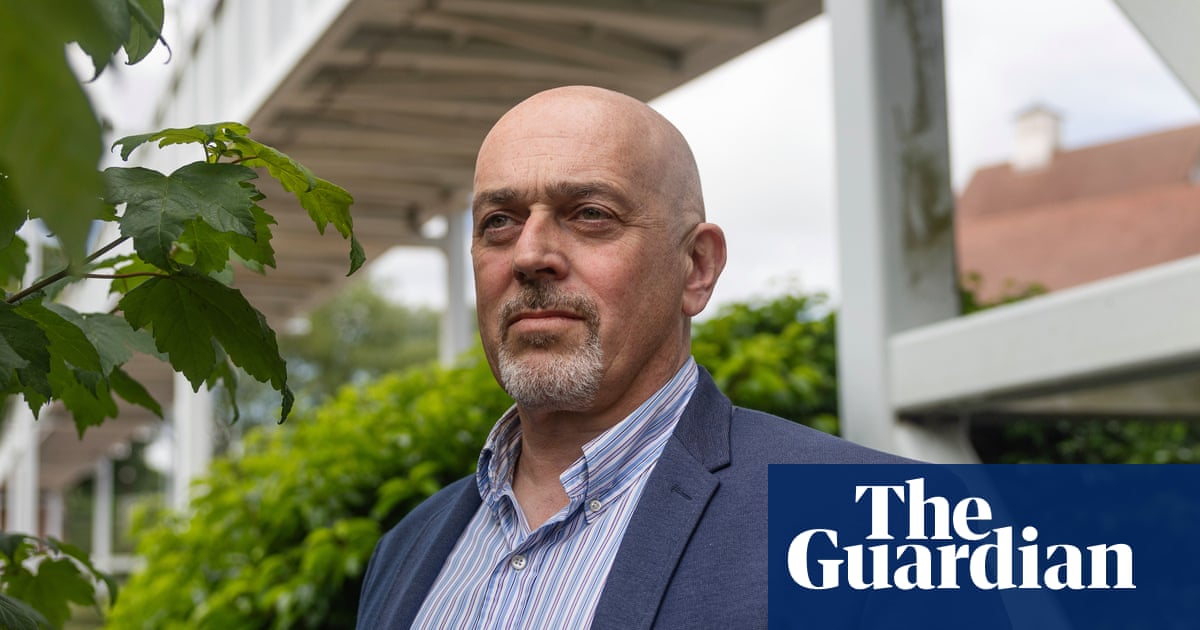
At Scottish Labour’s spring conference last year, Sir Keir Starmer bullishly addressed mounting discontent at his government’s performance, telling his audience: “I always said it would take time to turn this ship around.” On Friday, ahead of the Holyrood election in May, Anas Sarwar’s party will assemble again in Paisley. Sir Keir – whose time Mr Sarwar now considers up – is not expected to be on the speaking roster.
The Scottish Labour leader’s call for Sir Keir’s resignation this month was instantly interpreted through the prism of a (stillborn) Westminster coup. In truth, it was more an act of self-isolation stemming from exasperation. As they attempt to challenge the hegemony of the Scottish National party (SNP), unionist parties in Scotland must constantly look over their shoulders and worry about what London is doing. But at the time of the general election, no one could have anticipated the chaotic sequence of unpopular policies and U-turns – now compounded by the Mandelson scandal – which appears to have quashed hopes of a Scottish Labour renaissance at Holyrood.
In July 2024, Labour won the most votes and seats in Scotland, benefiting from a 16-point swing from the SNP. The result was hailed as a political sea change and, for the party of John Smith and Gordon Brown, the beginning of a restoration. But in 10 weeks’ time Labour could trail in a dismal third behind Reform UK, as a fifth successive SNP government is comfortably elected. Only about a third of Scots who voted Labour in 2024 now say they will do so in May, with Reform and the SNP the major beneficiaries.
Confronted with such dire statistics, Mr Sarwar has thrown a Hail Mary pass: by moving against Sir Keir, he hopes to reassert his independence, distance his party from a tainted brand, and redirect attention to the SNP’s vulnerabilities after 19 years of political domination. The Scottish government’s own declining poll ratings testify that there are plenty of those to exploit, particularly in relation to education and public health.
Could it work? Following his gambit, Mr Sarwar has cut a more liberated figure, able to focus his energy on devolved issues. But Labour’s performance in office has been the gift that kept on giving to its leader, John Swinney. Welfare cuts, illiberal immigration and asylum proposals and Rachel Reeves’s fiscal rules have enabled him to squeeze Mr Sarwar’s party from the left. Reform, meanwhile, hopes to harvest disillusioned votes from the pro-union working class.
Versions of the same political perfect storm are, of course, playing out across Britain. In the Gorton and Denton byelection on Thursday, a formerly rock-solid seat for Labour is delivering a three-way race in which it could finish third behind Reform and the Greens. In Wales, Plaid Cymru’s grip on the progressive vote, and Reform’s rise, threatens an ignominious rout after a century of Labour dominance.
If disaster unfolds in Scotland as well, Mr Sarwar’s rebellion this month is likely to be swiftly replicated in Westminster. The Scottish Labour leader and Britain’s prime minister previously enjoyed a notably close relationship. Yet faced with the possibility of an omni-meltdown in May, Sir Keir’s prospects of survival may rest on his former ally’s act of political betrayal paying off. There could be no greater illustration of the mess Labour is in.