1 month ago
61
1 month ago
61
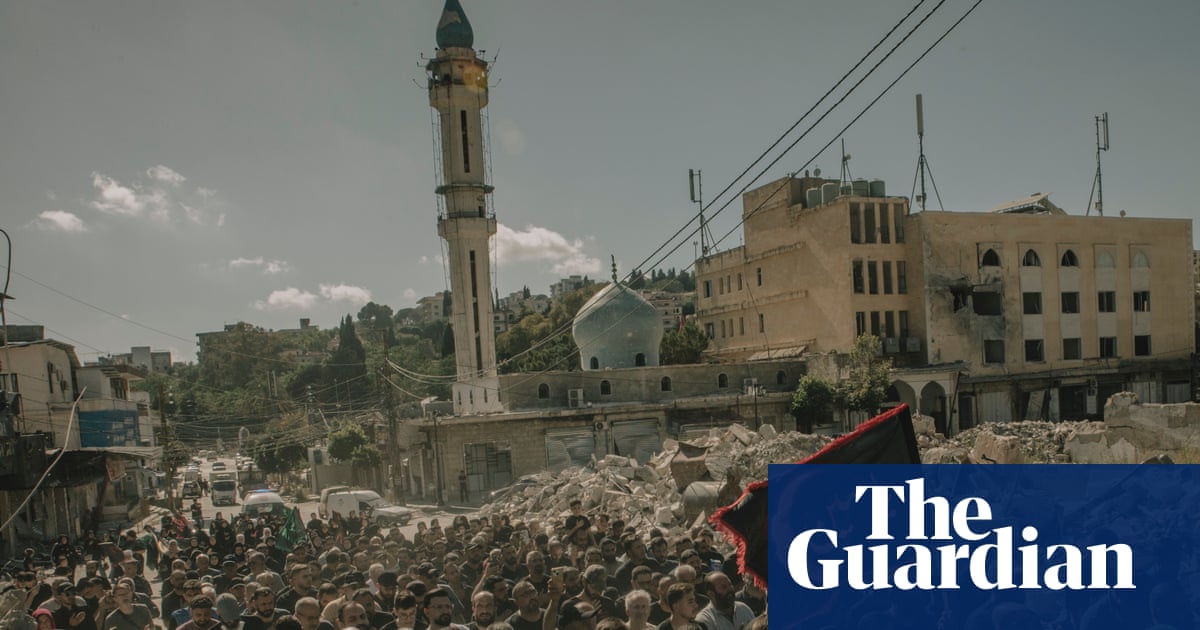
Thankfully, the attack left only black eyes and bloodied faces. It was in Karagümrük, a tough neighbourhood in Istanbul’s old city, once known for mafia types and Turks on the hard right. But, as Suzy Hansen explains, it had been transformed by an influx of Syrian refugees – until the locals apparently decided they’d had enough, and came for them with sticks, baseball bats and knives for carving doner kebab.
So begins From Life Itself, in which Hansen traces a story that illuminates a politics of mass migration and nationalist backlash that has resonances far beyond Turkey. It is a more ambitious book than that, too. An American who lived in Istanbul and visited Karagümrük for more than a decade – during which Turkey’s enfeebled democracy came under ever more sustained assault – she hoped to convey “how ordinary people experience authoritarianism in the 21st century – how our era feels”.
The first third nonetheless outlines a more or less conventional history of Turkey: from the grand modernising, secularising programmes of its early years to the emergence of Recep Tayyip Erdoğan nearly a century later, his rule in so many ways a repudiation of the country’s founding project.
As the work of a journalist well acquainted with her adopted country, From Life Itself is lovingly written and well observed. Hansen has a good eye, for example, for Istanbul’s light, its “pink and gold splendour”. She is alert to aspects of its history that can go underappreciated: not least the central role of internal migration, of peasants arriving to the city “laden with bags of yoghurt or tomatoes from their village”, and the construction boom that followed in their wake.
Where the book really comes alive is when that history catches up to Hansen’s own time in Turkey, and particularly her reporting on Karagümrük and its characters: Hüseyin, the Erdoğan-sympathising market owner; İsmail, the veteran district head, nostalgic for a lost Istanbul; Ebru, an estate agent determined to improve the neighbourhood; Tarik, a young Syrian learning the rules of the street the hard way.
Hansen is right to point out that, for all Europe’s angst about refugees over the last decade or so, no country has taken in more people than Turkey, which has absorbed three million Syrians since the outbreak of its neighbour’s civil war. In Karagümrük, once a bastion of Turkish nationalism, street signs start to appear in Arabic script. Yet this was not just a story of tension and resentment. Hüseyin helped newcomers to fill out forms and understand bills. President Erdoğan, at least initially, spoke of welcoming Syrians as part of a wider Muslim family.
But there were ugly attitudes and incidents, and Hansen brilliantly captures the little ways in which local prejudices begin to manifest: the complaints that Syrians smell of cooking oil; that they walk down the street all wrong; that they are a threat to Turkish women. Here it feels the book really gets into the grit of Karagümrük and the nativist politics recognisable far outside it.
Sometimes the focus blurs: in documenting the hollowing out of Turkey’s independent institutions – and building on her previous reporting – Hansen takes us to a university faculty in Ankara, a prospective canal project in Istanbul, and shadows a dissident architect working in the wake of the country’s devastating 2023 earthquake. All are important stories, but they touch less on daily life in Karagümrük.
But perhaps this points to a disconcerting truth: that the breadth of Erdoğan’s assault is so bewildering – from the courts, to higher education, to the digital world – that it is impossible to grasp its extent in just one place. And that democracy can be picked apart and, like the characters in Karagümrük, most people just keep their heads down and carry on.