7 hours ago
12
7 hours ago
12
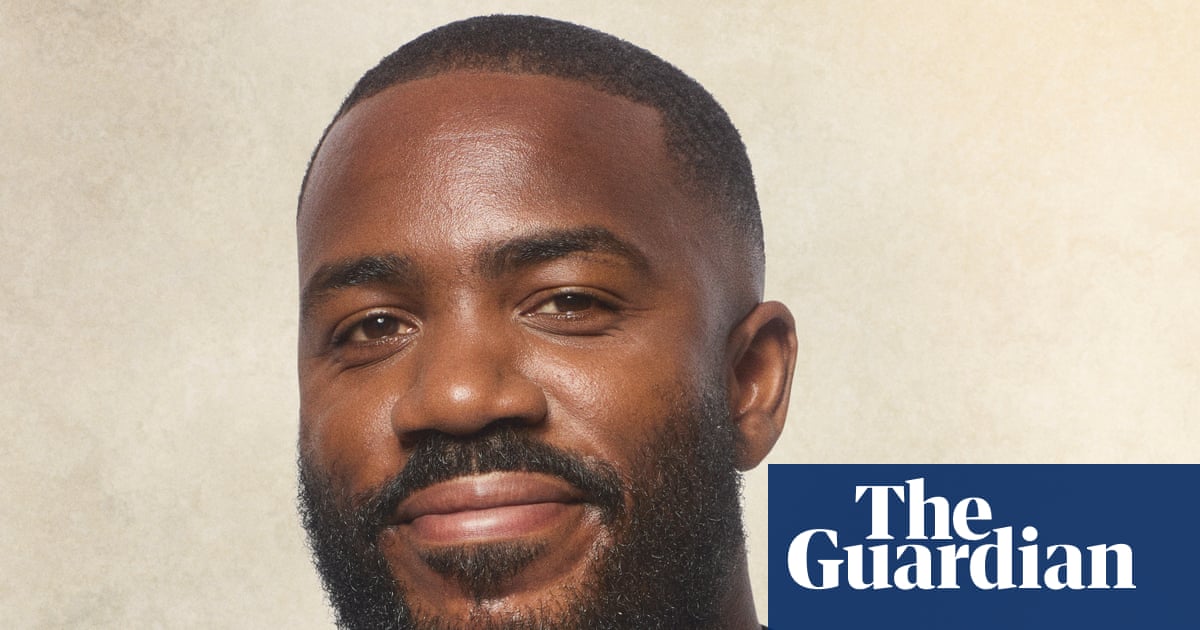
When my memoir about my life after my brother’s death was published, I was very fortunate that people connected with it. It’s not easy to feel good fortune from the worst thing that’s ever happened to you. But I suppose I felt pleased when the experience that had once made me so lonely suddenly became a point of connection.
I had not always been an open book. I was 22 when my brother died from a rare bone cancer. The people around me didn’t know what to say about this awful thing, so they pretended it hadn’t happened and I pretended, too. For a few years I was a ghost in my own life. Nothing felt real. I got very good at imitating normality, imagining I was in a video game called Office.
There were other simulations such as Dating and Fun Friend Hangout where it was game over when I brought up death. A numbness settled in. Grief, and the subsequent silence around it, had obliterated my sense of who I was. My reality had been shattered, and I was unsure how I fitted within the life I once had. I found that, at this time of my life, even to be looked in the eyes was incredibly uncomfortable. The thought of someone seeing my pain was excruciating. Or perhaps it was the fear of them not searching for it at all.
Maybe these years of feeling so unseen made me want to share myself with people through writing. My 2024 book The Tidal Year follows the year I swam in every tidal pool in Britain with a friend. I like to say it’s a memoir about swimming that isn’t really about swimming at all. It’s about loss, and how to find joy in your life as a young person after a tragedy. Readers knew my most intimate moments, and many shared their own. Late at night, I’d receive messages on Instagram with confessions of people’s PTSD. Sometimes people emailed me shocking, explicit details of a death close to them. I was moved that something I’d written had prompted them to contact me. Writing had transformed my life, and I believed that whether it was a book, email or a DM there was power in acknowledging your pain through words.
At first, I felt an enormous pressure to reply with something articulate and wise. This was hardest in person. If someone started crying at the signing table, as they often did, there was an awkward distance between us. Should I stand up to hug them? What could I say to make it better? I learned that it wasn’t at all about what I replied. It was about listening. Most people, when they lose someone, don’t get to say the name of their loved one any more. The best thing I could say is: who’s the person you’re missing? What were they like?
Having these conversations has been a real privilege. And I must admit I became rather addicted to them. I pitched myself for events, volunteered with bereavement charities, used all my holiday to travel the country visiting bookshops. However, the best thing about the book was also the worst: I’d alchemised my grief into something powerful, positive, productive and I soon became consumed by guilt that I’d commodified our family tragedy. Looking back, I think I felt that if the book did well enough, if it helped enough people, then perhaps I could be redeemed from writing it at all.
At events, I opened up my grief like a suitcase and waited for people to unpack all their sadness into it, then I took it home again. On the train, I’d wonder where to put all the stories people had handed me. A brother collapses on a rugby pitch. A mother drowns in the sea. A sister is murdered by her husband … I was thinking about death all the time. Tragic events now seemed quite normal. Perhaps I could have protected myself more, put up a shield between myself and others so I wasn’t so affected by their stories, but what would be the point of having these interactions and not feeling them so deeply? What would be the point of listening and not truly hearing?
That summer a men’s book club messaged me to say they’d chosen my book, and I was welcome to join them for a drink. The pub was one I’d mentioned and their attentive reading made me feel special. When I arrived, we had some drinks and spoke about their book club which had seen them through many seasons of their friendship. We drank some more. Someone quoted a passage they found amusing. I felt like the best, shiniest version of myself. Then someone shared that a member of the group had lost his sister recently. A new atmosphere fell over the table, and I realised why I was there. I was drunk now, and my cheeks were red. The man in question gripped his pint and told me he worried he’d never experience happiness again. “You look happy,” he said, “I can’t imagine you ever feel like that.” My stomach twitched with dread that I had performed the wrong version of myself.
I often worried whether I looked sad enough, and if people felt I was heartless or fake if I didn’t. Sometimes at readings, people asked me why I wasn’t crying. In publicity meetings for my book, I’d been asked to come up with social media ideas. Are there any significant anniversaries you could post on, they asked. I didn’t want to turn any more sad moments into content, but maybe that’s what I’d signed up for. I suppose I made my brand grief, and I’ve often wondered what happens to the soul of a person with a brand like that.
I recently saw the writer and climate justice organiser Mikaela Loach post about being hospitalised for a long-term undiagnosed illness. She said that during a recent meeting with Meta they showed a selection of her posts and revealed that when she cried, they performed best, so maybe she should create more like that. The next day I was served an advert by Instagram aimed at “Creators” that suggested a new Reel template going from “Sad Girl Winter” to “Hot Girl Summer” with space for selfies of crying to camera.
after newsletter promotion
Before we experience great tragedies, I think we all have this idea that death is something that brings families together. That we will hold each other and cry and bond. In some ways this is true. I have never been hugged tighter than when I saw my big brother, Lawrence, after we got the news that today would be the day. Lawrence had driven across London to pick me up so we could go to the hospital together. I have never been held like that, our bodies colliding on the street as our world fell apart.
But what follows can be so devastating. You’re all trying not to knock the bruise. You’re all trying to get by, as best you can. There’s a lot of silence. There’s a lot of crying alone. There are a lot of misunderstandings because you’re all coping in different ways. No one is right, no one is wrong. But sometimes it’s easier to be angry about this, than it is to be angry about the person who’s been taken from you, because at least in one of those situations you have some semblance of control.
Although I’d spent two years touring the country talking about grief, I still couldn’t talk about it with those closest to me. Why is it so difficult to be unhappy around the people you’ve known the longest? Even today, I don’t know that I can confidently share my feelings with the people I love. I am just too sad. And I love them too much to show them. I don’t want them to worry, after all we’ve been through. I’m sure that they feel the same.
Most of the people who reach out to me aren’t only grieving a person. They’re grieving the version of themselves that existed before. My second book, A Real Piece of Work, is a novel about a family meeting for the fifth anniversary of a death. I wanted this fictional world to be an offering to everyone I’d met – a reckoning with what becomes of a family once the funeral is over. How do our relationships shift when life-changing loss ruptures our existing dynamics? I’m trying to start a family of my own now and I think it’s been important to me to create something real and thorny yet hopeful that captures how most of us are trying our best, even when we misunderstand each other. I do truly believe that.
I don’t believe there is such a thing as moving on. We only ever move through and carry it with us. I carry the weight of a lot of stories now, but somehow it feels all the lighter because of the expansive conversations created between people through books. Fiction has given me new ways to untangle the life-changing force that is grief beyond reflecting only on my own. I’ve just started a new book tour. I still sit at the signing table. And when someone tells me they’re struggling, I ask them about the person they’re missing, so they can say their name again.