3 months ago
170
3 months ago
170
Nigel Farage thinks poor families should be denied benefits and the cash go to their local pub. When he runs the country, he says, he will cut child benefit for those with more than two children and switch the £3bn saved to keep down the price of beer.
The art of populism lies in headlines. It is about the way you tell it. Farage also says he would still give benefits to “British working families”, meaning about 3,700 households with two British-born parents who both work full-time. It seems a gratuitous discrimination. As for cutting VAT on pubs to 10%, it would apply not just to pubs but to the entire hospitality sector. It was for effect that he decided to make the announcement in a pub rather than McDonald’s.
The truth is that no national tax is hypothecated, other than the BBC licence fee. Farage’s family benefits would be as likely to go to bombers as to beer. He just wished to show some glimmer of fiscal responsibility. But his choice of pubs for special mention is significant. The government’s handling of Britain’s high streets is causing devastation.
Higher taxes on jobs and higher minimum wages, an end to rates relief and soaring energy bills have crippled small retail businesses. The assault on casual labour in the Employment Rights Act is another impending black hole. On top of this is the previous government’s easing of change-of-use from pubs to housing. Hence a perfect storm for the old Bull and Bush. Britain has lost a quarter of its pubs since 2000 and they are closing at a rate of one a day in England and Wales. It is a real tragedy.
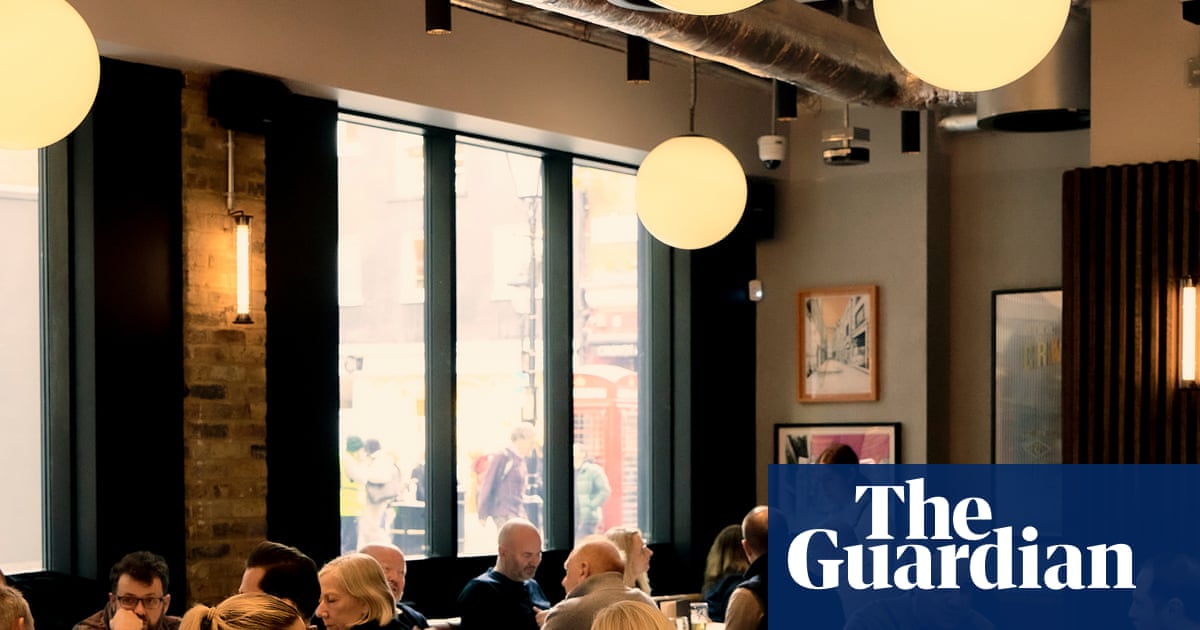
The role of the pub as a local hub, whether in town or country, is hard to exaggerate. It is unlike an ordinary shop or cafe. It is usually the most historic and well-known local building after the church. A pub’s walls can be a local museum. The bar is open to all adults, rich and poor, friend and foe, gregarious and lonely. It is somewhere they can meet, watch television or merely pass the time of day. For many old people it serves as a day centre. None of these uses appear on planning documents.
The pub’s proprietor is often a well-known local character, his or her building a place of security and even refuge. Since Covid, pubs have been allowed to spill into the street, where they serve as a centre of neighbourhood activity. At my local pub in central London a bunch of morris dancers once turned up to perform outside. They caused chaos. It was great. A high street without a pub is dead.
As such, these places are not just hospitality outlets but unique social institutions. Their future should be discussed in these terms. This is why Rachel Reeves’s attack on pubs – despite her minor U-turn – is an act of social debilitation. Farage was right to focus attention on them.
The nearest parallel to the pub is the one-time status of the parish church. It too was a place of local resort and comfort. Its leadership signified communal continuity and cohesion. That is now rarely the case. Some churches still offer support to those in need of company. But they operate on the fringes of communities, compared with pubs. Since their buildings mostly cannot be demolished, it would at least be good if, sometime in the future, the pub and the church could marry. The church pub should become the architecture of a united community.
The prime minister this week announced an £800m extension to his £5bn Pride in Place scheme. This was allegedly aimed at boosting an ever-increasing number of “communities”, selected by Whitehall as locations in which Reform is alarmingly strong. Note how to get cash out of today’s Treasury. The communities secretary, Steve Reed, suggested local boards would have powers and cash compulsorily to purchase properties left empty too long in the hands of property companies. We await the first one.
One proposal is to turn ailing retail and hospitality sites into not-for-profit social enterprises. This is one expanding sector of high-street activity, with some 130,000 social enterprises reportedly already up and running across Britain. The village shop in the Archers’ Ambridge is now such a business, as is the famous Plough pub in Fadmoor on the North York Moors. Every village should have a social enterprise, but it requires an active community to operate it, not just one feared by Labour as pro-Reform.
When Starmer came to power he pledged, as does every incoming prime minister, to devolve power by giving it back to communities across the UK. They would have “a right to request more powers”. Like every prime minister, he then did the opposite. He stripped local communities of virtually their last true area of discretion, over local housing and planning. It was an act of ultimate centralism.
If Starmer now means to U-turn on this, so well and good. He might help by relieving high streets of the looming bureaucracy of his new employment act. He either means what he says or he is just descending to Farage’s level. The communities in which both are taking an interest are having the blood drained from their veins.
The blood is that of local institutions that bring people together, that serve other purposes than those of money. One of them is the pub. Save the pub.
-
Simon Jenkins is a Guardian columnist and the author of A Short History of America: From Tea Party to Trump