2 months ago
94
2 months ago
94
The Guardian’s 2025 charity appeal theme has been about hope: practical and inspiring grassroots voluntary projects that encourage community pride, tolerance and unity as a positive and joyful antidote to polarisation, racism and hatred.
We aim to raise £1m for our five partner charities. Donations are now just over £900,000. The appeal closes at midnight on Wednesday evening.
The Linking Network
“When they meet, share stories and learn together, they build empathy and understanding that lasts a lifetime,” Linda Cowie and Meg Grant said of the children who participate in the schools linking network they help run.
The project, which now operates in 26 local authorities, pairs schools so pupils from different faiths, cultures and socioeconomic backgrounds can meet, spend time together and discover what they have in common.
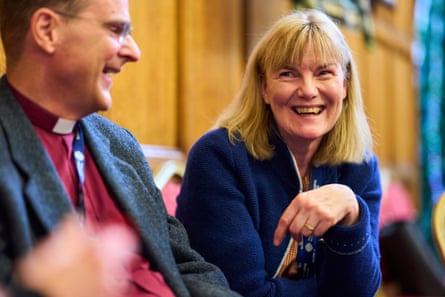
Created after the Bradford civil disturbances in 2001, the idea is to widen horizons: to make youngsters comfortable with difference. But as the Guardian noted on its visit: “When you see it in action, it just looks like children having fun.”
Its share of donations will help The Linking Network develop and expand its work by working with more partners across Britain.
Citizens UK
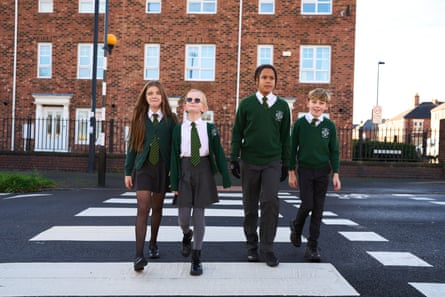
“It showed you can give people a sense of hope,” reflects Father Chris Hughes, a priest whose diocese is a partner in Citizens UK’s north-east England chapter. “The Guardian appeal has been an absolutely positive experience.”
Hughes had taken the Guardian on his local “walk of hope” – a tour of the places in North Shields where the charity had brought people together to campaign for – and win – positive change, from better mental health services to cheaper bus fares.
“The appeal reminded us civil society must roll up its sleeves and model the kind of politics we want to see; listening to those we disagree with, seeking common ground, and working towards a shared common good,” says Pete Brierley of Citizens UK.
Citizens UK will invest its share of donations to train community organisers.
Hope Unlimited Charitable Trust
One of the most inspiring projects in the Guardian’s appeal series was the Nottingham food project created and run by Salaam Shalom Kitchen, a joint Muslim-Jewish charity bringing together people “of different faith and no faith” over shared meals.
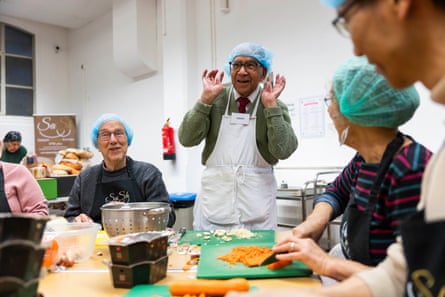
Initially, it said, some thought the scheme was “bonkers.” But 10 years on, it has grown in strength. Even tensions over the conflict in Gaza have not disrupted its progress and its determination to challenge prejudice and stereotypes.
Its easy to get demoralised in tough times, Salaam Shalom trustee Sajid Mohammed told the Guardian. But the kitchen is a beacon of hope, helping unify the community. He added: “We’ve got so much more in common than what divides us.”
Hope Unlimited Charitable Trust will use its share of appeal donations to make grants to Salaam Shalom and similar grassroots organisations.
Locality
“It restored my hope. It humanised us all,” project participant Maureen Hamblin told the Guardian when it visited the Circle of Change scheme at the Belfast-based charity 174 Trust, a community organisation and member of Locality.
Circle of Change connects strangers from different backgrounds – rich and poor, black and white, gay and straight – enabling them to get to know each other, undo preconceptions and find common ground.
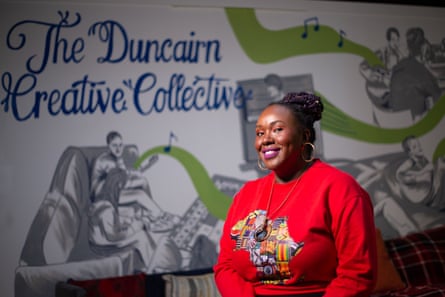
Since the article appeared the trust has been approached by people wanting to volunteer or set up similar schemes elsewhere. The ripples have gone far and wide, says Tim Magowan, executive director of 174 Trust, “and that’s inspiring”.
Locality will regrant some of its share of donations to selected grassroots charities like 174 Trust with the remainder supporting its wider work to help hundreds of its community organisation members tackle division and hate.
Who Is Your Neighbour?
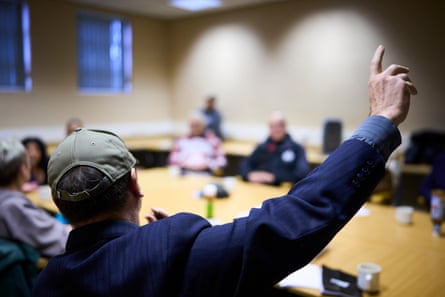
There was a moment in the Guardian’s visit to Who Is is Your Neighbour? that gets to the heart of what the charity seeks to achieve through its facilitated “difficult conversation” sessions around race and immigration.
Ex-forces veteran Ali told how he had been racially abused in a local park – and then he pointed out to his abusers he was “born in Britain and had served in the army”. Their demeanour changed instantly. A connection, however fragile, was made.
The charity works runs dialogues with local communities, encouraging curiosity, finding common ground, breaking down stereotypes and enabling people to talk calmly about issues and grievances outside the shrill white noise of social media.
Since the appeal started Who Is Your Neighbour? has reported huge interest in its methods and training. Its share of donations will help it develop its vital work.