4 hours ago
11
4 hours ago
11
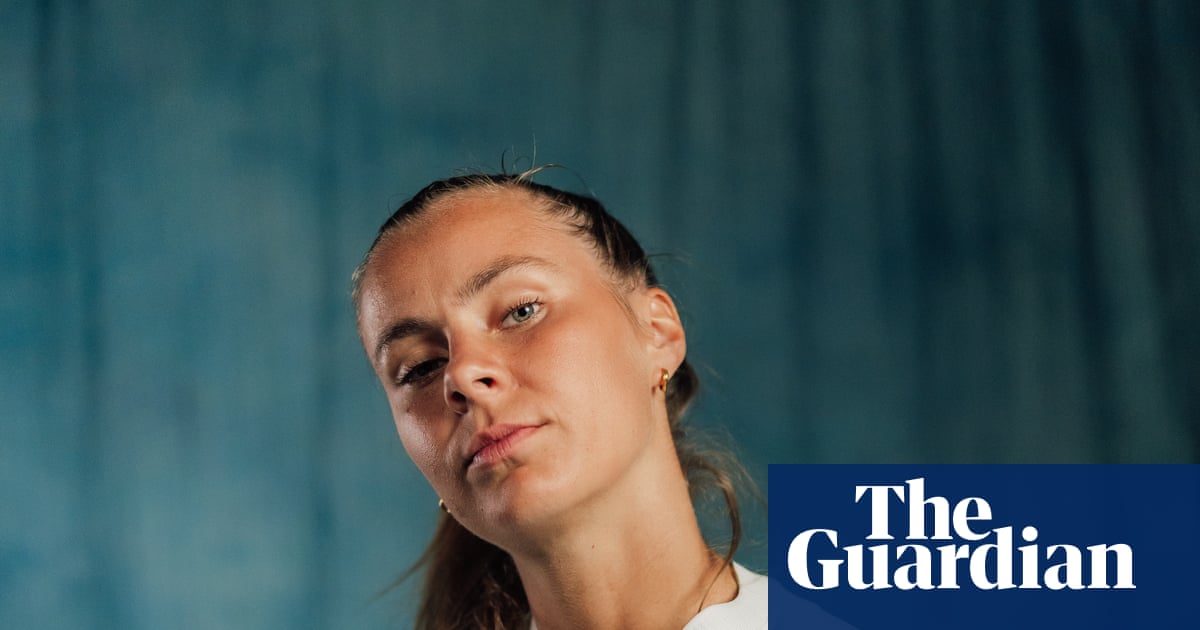
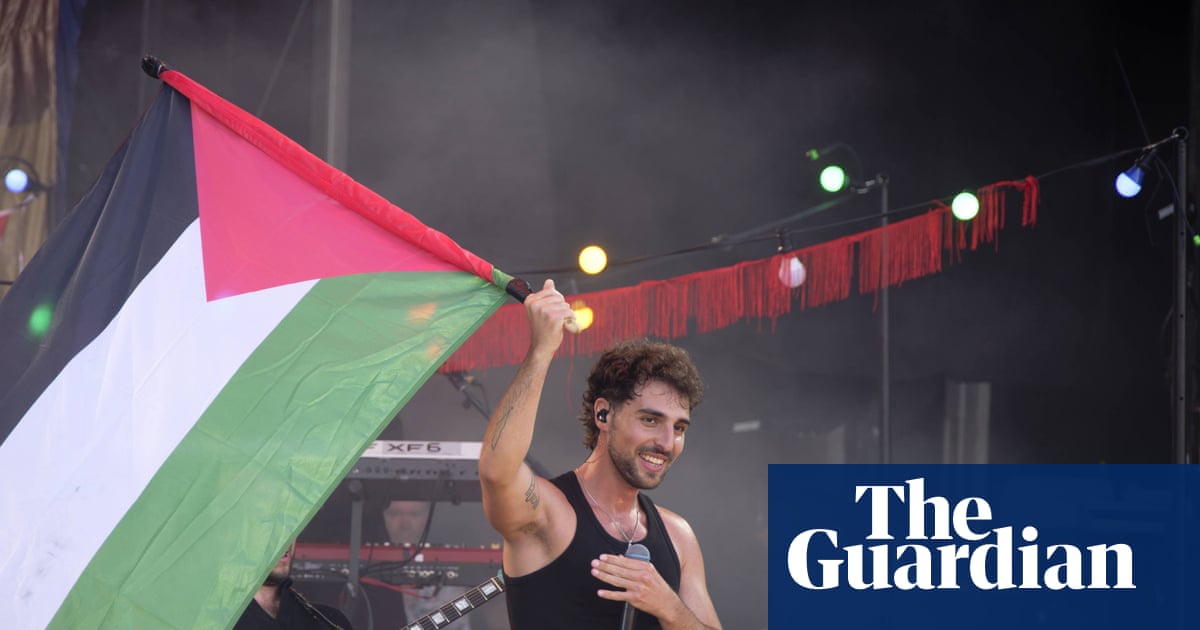
‘It’s so important to talk about this before it’s gone,” says Francie Medosch, singer, guitarist and songwriter of the band Florry, “because it’s really a flash in the pan.” The flash she means is a brief moment where it feels as though on both sides of the Atlantic, scores of exciting indie bands are playing something that, without slavish copying, has plainly drawn inspiration from alt-country, the music that emerged in the US in the late 1980s and early 90s, when former punks such as Uncle Tupelo – featuring future Wilco co-founder Jeff Tweedy – and the Bottle Rockets picked up picked up fiddles, banjos and acoustic guitars.
In the UK, Brown Horse and Vegas Water Taxi have the weeping pedal steel, in the former case tied to something very heartland and in the latter paired with a very English indie sensibility. Westside Cowboy and Little Grandad both borrow from the spiky rootsiness of early Wilco, while Wyatt play slacker country rock. Over in the US, where there’s always going to be more of this sort of thing, you can point to the current indie-rock holy trinity of Waxahatchee, Wednesday and MJ Lenderman, plus Florry, Ratboys, Thomas Dollbaum, Fust, SG Goodman, Lily Seabird, Ryan Davis and the Roadhouse Band and more.
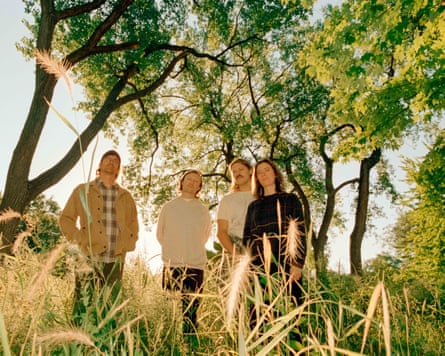
“It seems to be a real language right now in the music world,” says Julia Steiner, singer-guitarist of Ratboys, from the rockier end of this moment, “and I’m stoked about it. It’s been a long time coming – it’s so exciting to me when bands take really simple ingredients and find ways to make really progressive recipes with them. What’s exciting to me about alt-country is that the same cowboy chords are in play here, but the filter they come through is more freaky, more balls to the wall. It’s fun to see how many places people can take these essential ideas.”
London quartet Little Grandad, who earlier this summer signed a three-album deal with Communion, didn’t even know about alt-country when they started playing last year. “Tim from [buzzy London venue] Brixton Windmill told me, ‘You’ve got to check out this whole scene of bands,’” says their singer-guitarist Harry Lower. “I knew about Wilco, but I didn’t know about Uncle Tupelo and all of that world. I’ve listened to a lot of music in the last year.”
One of those discoveries was Jason Molina, of Songs: Ohia and the Magnolia Electric Co, who died in 2013 of organ failure following long-term alcohol abuse. “I love how fragile he is,” Lower says of the midwestern singer-songwriter. “I just believe him. I believe his songwriting. I watched an interview of him, and he’s saying how he’s so confused that he makes this music because he listens to Metallica and metal bands, and he’s like, ‘How has it turned out like this?’ That makes me feel better about what we make, because you stumble into it.”
By chance, in the week all these interviews were conducted, London became alt-country central. On the Tuesday night, the Norfolk band Brown Horse were the house band at a night honouring the songs of Molina, with a rotating cast of singers including Alexis Taylor of Hot Chip and Lottie Pendlebury of Goat Girl. On Wednesday, Wilco were in town, with alt-country band Hovvdy opening and a set that didn’t eschew the country end of their catalogue, and on Thursday and Friday Greg Freeman, from Vermont, played two sold-out club shows.
Everyone seems to have taken different routes to get to similar places, though all these musicians in their 20s or early 30s came to it via their own discovery, rather than hearing it in the cars of gen X parents. Steiner grew up with country in the air in Kentucky, and added the alternative rock later. Medosch hails Lucinda Williams as the source of all things alt-country (a complete music head, she offers an eloquent disquisition on why powerpop, and Big Star in particular, must be considered part of this lineage).
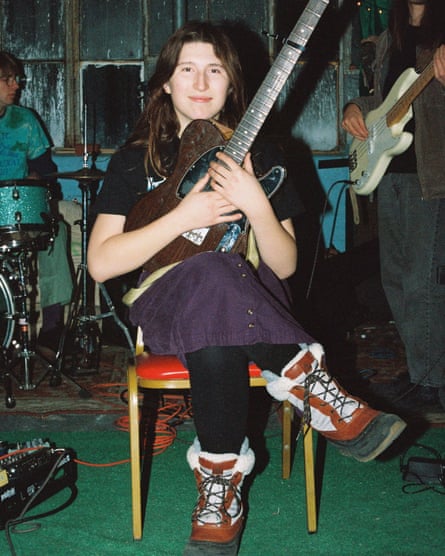
“All this stuff comes under Neil Young,” says Lower. Thomas Dollbaum, who lives in New Orleans, remembers hearing the music you can’t avoid, such as Bob Dylan, then having uncles send him John Prine CDs, “because they knew I was interested in that kind of music. And then I found stuff on my own. I listened to a lot of Jason Molina, a lot of Damian Jurado, a lot of Bill Callahan and Richard Buckner growing up. In early college I had a friend and we’d send tapes back and forth.”
Brown Horse came to alt-country via a eureka moment. They were already a band, playing an approximation of American folk music, when they were booked to play the Black Deer festival in 2022. “We’d been so fucking bored for a year and a half,” says their pedal steel player, Emma Tovell. “We had a euphoric moment watching Drive-By Truckers. We could really see where they’d come from that kind of gothic old southern country music, but they were really rocking, and we absolutely loved that. And we saw Wilco at that festival, and SG Goodman, who played at 1pm to 30 people. We got home and decided it was time to start amplifying stuff. That felt like a concentration point.”
Tovell remembers an early Brown Horse tour of Scandinavia, where “95% of the gigs were seated and the average age of the audience was 65”. In the last few years, the audience for live guitar music seems to have become much younger. It’s hardly rockism’s revenge on poptimism, but in a culture in which people sit in front of screens all day, for work or for leisure, there’s something resonant about seeing people making music in which raggedness is celebrated, in which edges are the result of friction rather than having been generated by computer.
“I think there’s a genuine desire among young people – millennials like myself included – to embrace earnest storytelling and our humanity, in the face of this monolith of corporate suits drooling over AI and the internet and trying to tell us what’s cool,” says Steiner. “There’s something to the idea of stripping that away and getting to the bare essentials of storytelling, and putting your perspective out there in ways that feel accessible and honest. I’m just happy that people are trying to make music that feels really human.”
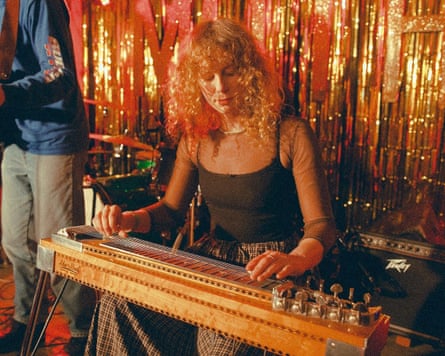
“You can say so much with a country song,” Medosch says. “You can be so earnest, or you can be detached, you can mess with the form so much.” She was amazed when she realised British bands felt the same. “What’s happening in England is really shocking to American musicians.”
While the British bands are still forming their futures, many of the American bands have several years and several albums in the books, and they’re already changing. Florry’s next album will have a Broadway show tune and a Caribbean rock song, says Medosch, hence her pleasure in this moment being captured for posterity.
Before our call ends, Steiner asks if I am familiar with the term “post-country”. “I’m just curious because I first used that term 10 years ago as a joke, but I’ve seen people using it nowadays. When I first met Dave, our guitar player – he’s my partner – in university and he started showing me all these bands I had never heard of, he was using terms like post-hardcore and post-rock, and I was like, ‘What the fuck? Post-rock? Like, what are you talking about?’ I just thought it was hilarious, and we started calling our music post-country.”
This is still a genre in search of a name – one online wag suggested “the Lendermen” – and maybe it’s not a genre at all, so much as a shared sense of purpose. But it’s real, and it sounds wonderful.