4 hours ago
11
4 hours ago
11
The UK government’s long-term borrowing costs jumped to their highest level since early 1998 on Tuesday as a global bond sell-off gathered pace.
The yield – in effect the interest rate – on 30-year UK government bonds, known as gilts, hit 5.89% as traders fretted about a fresh increase in oil prices driving up inflation.
Ten-year gilt yields were at 5.25%, the highest level since the global financial crisis of 2008.
Higher yields progressively increase the cost of financing the government’s debt, and if sustained these would pass through to the Office for Budget Responsibility’s forecasts for the chancellor, John Healey, when he delivers his 28 October budget.
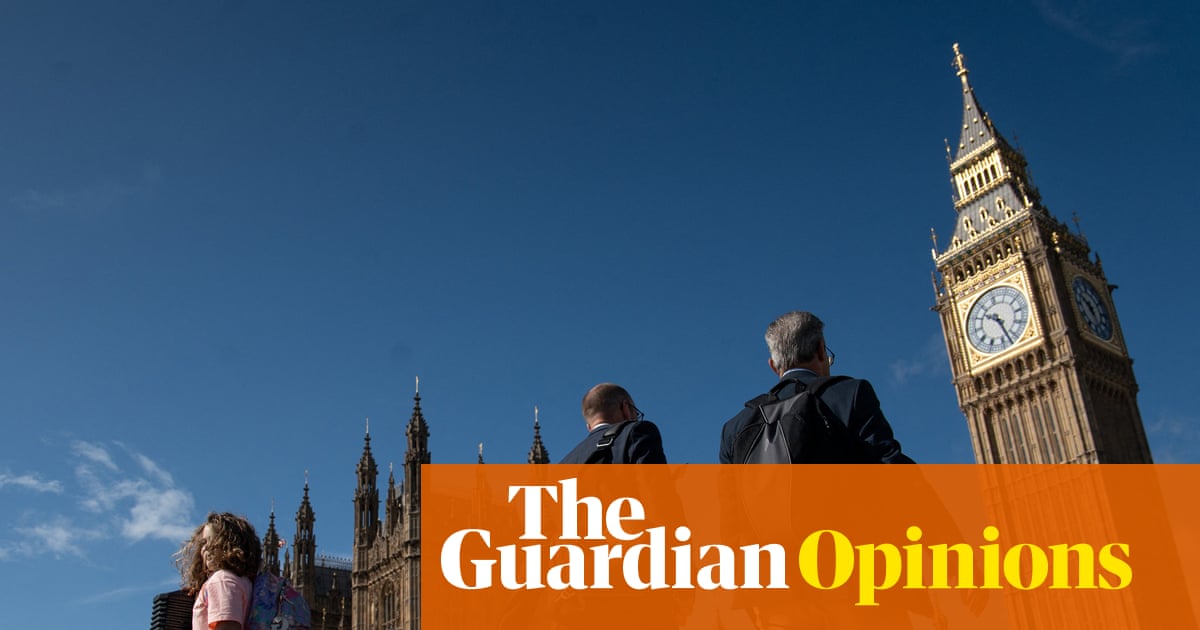
The moves underline the tricky global backdrop facing Andy Burnham’s government as he returns to Westminster promising to help consumers with the cost of living.
The bond sell-off was driven by international factors. Japanese 10-year yields hit their highest level since the 1990s amid expectations that the Bank of Japan will have to raise interest rates to control inflation.
Investors also appeared to be responding partly to higher oil prices, which were up 1.7% at $92 after a fresh exchange of fire in the Iran conflict over the weekend. Higher energy costs drive up inflation, potentially forcing central banks to respond.
Finance ministers and central bankers from the G20 major economies are meeting in North Carolina to discuss the state of the global economy.
The US Treasury secretary Scott Bessent, who chaired the G20 meeting of his peers, hinted afterwards that Japanese policymakers could be about to raise interest rates.
“I have information that the market doesn’t have, and it’s my belief that the Japanese government and the Bank of Japan will do the things that will lead to a stronger yen,” he said.
In August the US and Japan took the rare step of intervening jointly in global foreign exchange markets in an attempt to prop up the yen, but the Japanese currency subsequently resumed its slide.
after newsletter promotion
Expectations of higher interest rates were also piqued by a speech from the US Federal Reserve chair, Kevin Warsh, on Friday warning that the central bank would still have “work to do” if inflation did not return to target.
As well as fretting about future inflation, bond investors also appear to be concerned about runaway deficits in the US, where the Trump administration has cut taxes and is having to hand back much of the revenue from swingeing trade tariffs.
Bessent, who is keen to push down on long-term US borrowing costs, has suggested the administration may have plans to cut spending, but no policy has yet been announced.