3 months ago
98
3 months ago
98
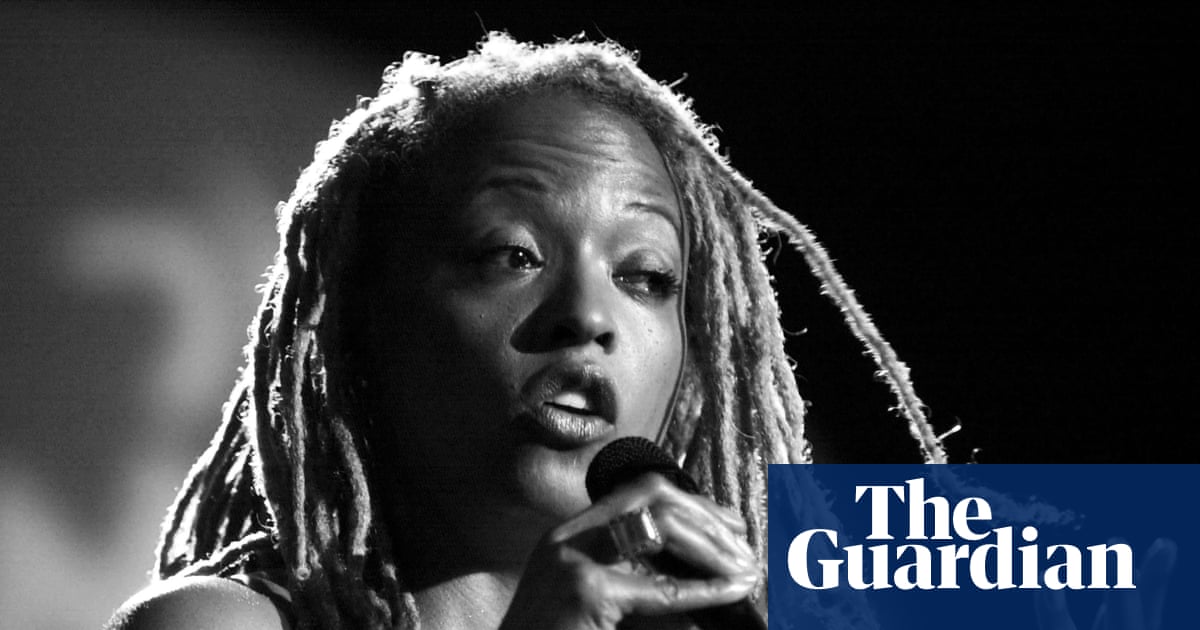
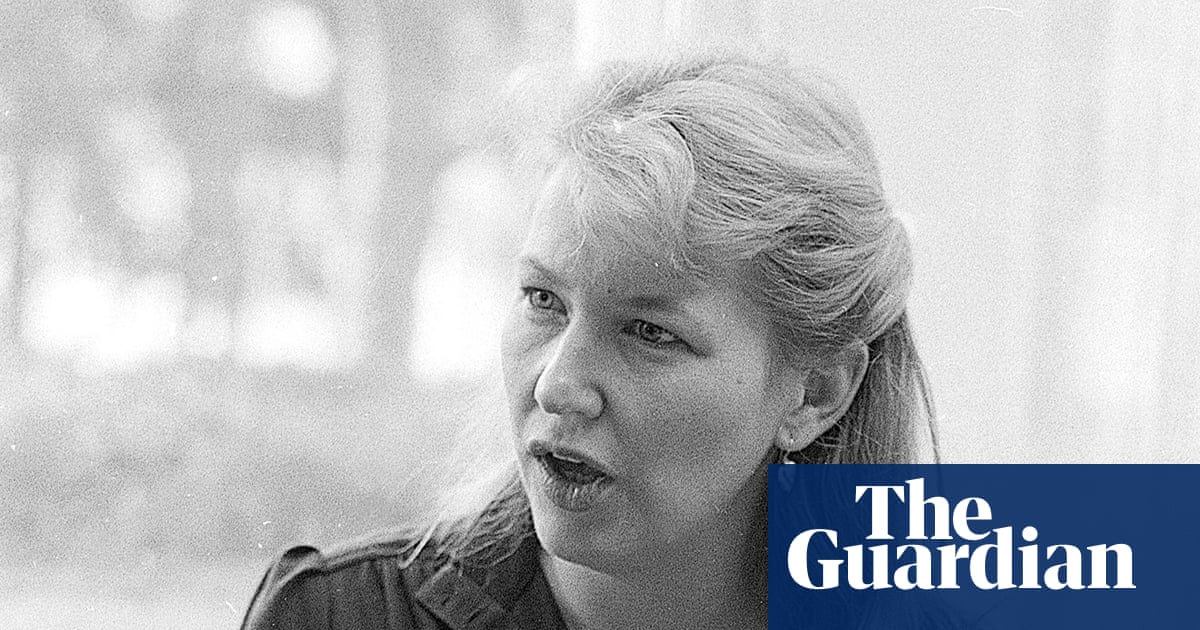
Kanya King, the entrepreneur and tireless champion of Black British music who founded the Mobo awards, has died aged 57 from colon cancer.
The news was announced by the Mobo Organisation, which said she died on Wednesday “after a courageous and characteristically determined battle” with her illness.
“The music world has lost one of its most fearless champions,” the statement continues. “What Kanya created was never simply an awards ceremony. It was an act of cultural justice. Mobo did not just celebrate Black music; it legitimised it, amplified it, and demonstrated its commercial and creative power to a world that had too often chosen not to see it.”
Idris Elba was among those paying tribute to her, writing: “You inspired me. Your dedication is unmatched.”
Born to a Ghanaian father and Irish mother in Kilburn, north London, King was working as a TV researcher when she set about filling a gap in the marketplace: an awards ceremony that would celebrate the Black British musicians who were sometimes overlooked by other industry events.
She remortgaged her house to raise the money for the first Mobo awards, held in 1996, eventually turning it into an arena-filling event that has celebrated artists such as Stormzy, Dave and Olivia Dean in recent years.
King scored an early coup by persuading Carlton Television (then London franchise holder for ITV) to air the inaugural ceremony on TV, putting award winners including Goldie and Gabrielle in front of a sizeable audience.
In 1998, the Mobos began screening on Channel 4, and championed the best in the British pop, drum’n’bass, soul and more, then folded in UK garage talent like Craig David as the genre took off at the turn of the century. It also celebrated the best of the grime scene, including a 2005 best single win for Lethal Bizzle’s Pow! (Forward), at a time when the genre was often overlooked or even demonised elsewhere.
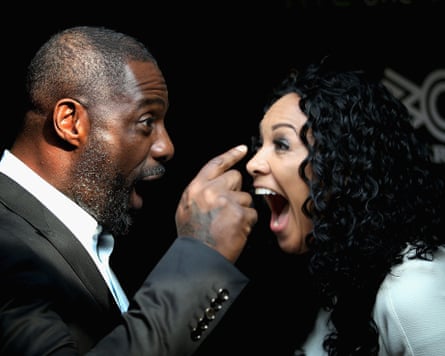
The Mobos were sometimes criticised for spotlighting white artists such as Ed Sheeran and Jessie J, while jazz and rock artists complained that there were no awards to accommodate their styles. There was also a hiatus in 2018 and 2019. But King ensured the Mobos adapted, with a greater emphasis on Black artists in the nominations and the addition of broader genre categories like drill and electronic.
Unlike the Brit awards and Mercury prize, which until recently were always held in London, the Mobos were held in cities across the UK including Glasgow, Newcastle, Coventry and Sheffield.
In a 2020 interview with the Guardian, King described her work as a “labour of love”.
“I’ve put my life and soul into this fight over the years, while being told that, you know, inequality is fine and there’s no problem,” she said. “I’ve been fighting for a long time to try to break down barriers … it’s been challenging and isolating.”
She was awarded a CBE in 2018 for her contributions to music and culture.
Also paying tribute was musician and BBC broadcaster DJ Target, who recalled the early days on the Mobos and added: “The Mobo awards soon became OUR awards show, where WE could thrive and be celebrated.” M People frontwoman Heather Small described King as “a true groundbreaking hero”, while DJ Semtex called her a “visionary who constantly fought for black music”.