3 months ago
150
3 months ago
150
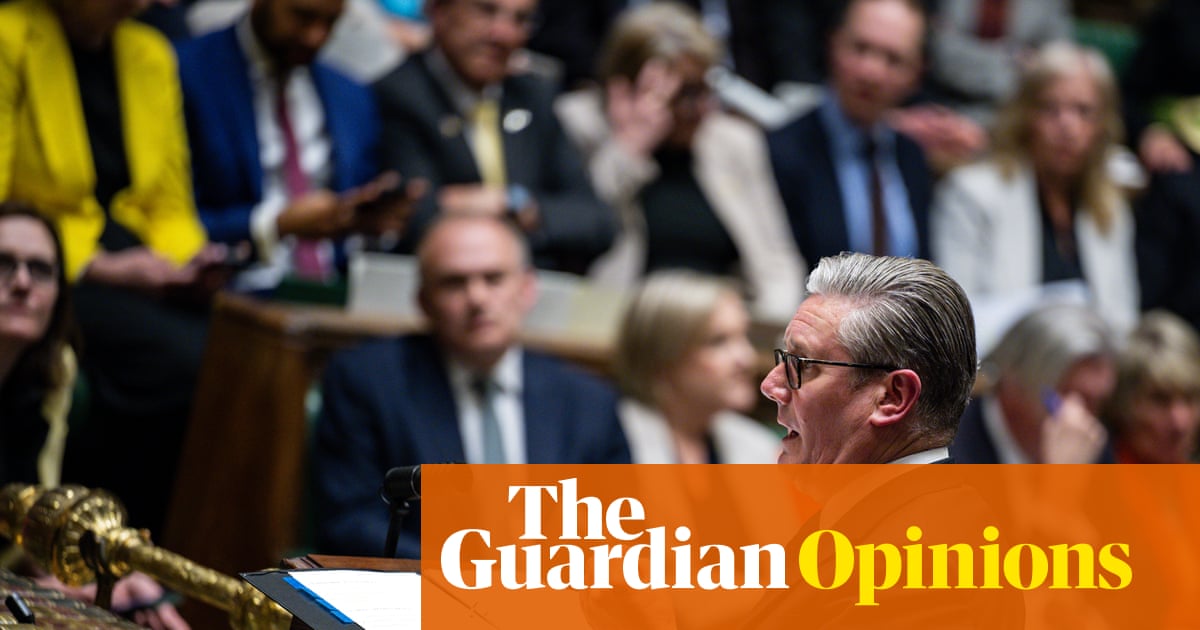
Keir Starmer’s claim he was “staggered” not to have been told of Peter Mandelson’s vetting failure has provoked incredulity across Westminster and accusations that he sacked a senior civil servant to save his premiership.
Senior government figures said the prime minister faced “judgment day” next week when Olly Robbins, who is understood to be furious at being forced to quit the Foreign Office, is expected to appear before a powerful committee of MPs.
With Starmer’s position remaining precarious ahead of a statement he intends to make to MPs on Monday, the Guardian revealed on Friday that Starmer was left in the dark about information relating to Mandelson’s security vetting failure by two other top civil servants.
The cabinet secretary, Antonia Romeo, and Catherine Little, the Cabinet Office’s permanent secretary, became aware of the situation last month.
Government sources denied the two officials had been “sitting on” the knowledge that UK Security Vetting (UKSV) had advised that Mandelson should be denied clearance to become the UK’s ambassador to the US.
They said the civil servants were involved in a complex process of checks to establish the risks in sharing highly sensitive data, including with the prime minister, who was only told about it on Tuesday.
With leaders of all the other major political parties calling for him to quit, Starmer insisted he did not know that Mandelson had failed a security vetting process, or that the Foreign Office had overruled the decision.
He said it was “unforgivable” he was not told about the vetting recommendation, which was revealed by the Guardian on Thursday.
The prime minister said he was “furious” about what had happened, while Downing Street squarely blamed the Foreign Office, with Starmer’s official spokesperson saying No 10 had “repeatedly” sought the facts of the case but was not told.
Asked if this amounted to a “cover-up”, they did not reject this, saying: “Well, the prime minister was not informed and he’s made clear that it is staggering that he was not informed.”
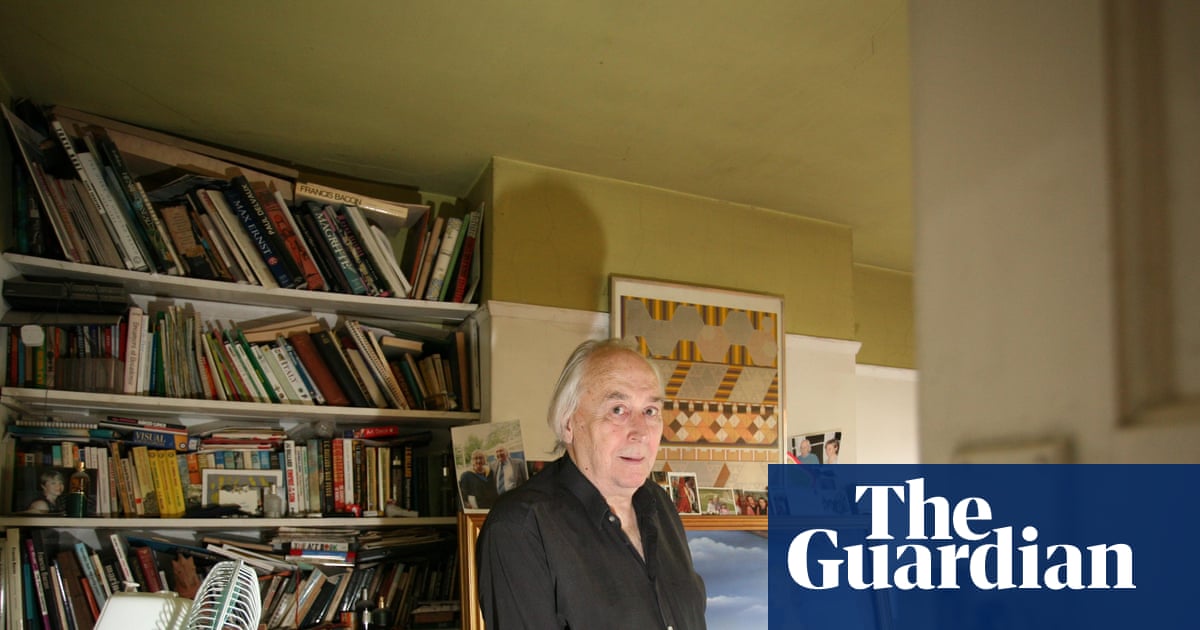
Within hours of the disclosure, Robbins was forced out of his job as permanent secretary of the Foreign Office.
The former top official is understood to be extremely angry at what he believes to be his unfair treatment by the prime minister, and is said to believe that he was following due process.
Robbins could give his side of the story early next week, with the Commons foreign affairs select committee inviting him to give evidence on Tuesday. Some ministers are concerned he will use his public appearance before MPs to hit back at No 10’s version of events, which could be damaging for Starmer.
“I would be amazed if Olly didn’t keep receipts,” said one senior MP.
Ciaran Martin, a former senior civil servant with past involvement in vetting work, who is a close friend of Robbins, told the BBC that the sacked official appeared to have been made a scapegoat.
He said vetting had been wrongly presented as a simple pass or fail, when it was instead a “risk assessment”, and that it was entirely standard for officials to decide whether the balance of risk was acceptable.
“There is no abuse of process, there is no failure of process. Not only is there no duty to disclose the details of a vetting case, there is a duty not to disclose them. The one thing you never do is tell ministers of any kind, because otherwise the vetting system would collapse,” he said.
However, a second senior government official with knowledge of the vetting process suggested it was highly unusual for the Foreign Office to reject UKSV advice like this, arguing that Robbins could have informed a senior minister of that fact at least, even if he did not share the details.
The foreign affairs committee chair, Emily Thornberry, said: “In his [previous] answers to us, Olly Robbins, through omission, failed to tell us the truth by leaving out his decision to overrule the deep vetting advice.
“We knew there was pressure on Robbins to confirm Mandelson’s appointment since that had been announced in public already and he would not want to be the person that, weeks into his new job at the Foreign Office, said there is a problem with it.
“What we do not know is if there was an extra continued pressure applied to him from Downing Street or elsewhere, and that is what we would like to ask him.”
The prime minister, who was in Paris on Friday for a meeting of nations working to keep the strait of Hormuz open, will appear before MPs on Monday to give a statement about what happened in relation to Mandelson and what he knew.
Many Labour MPs were dismayed the Mandelson affair was once again inflicting damage on the government, especially just weeks before crucial local elections. “It does seem incredible that he didn’t know, but the problem is that it’s quite possible as well,” one backbencher said.
Some believe the Mandelson vetting farrago could be terminally damaging for a prime minister who had come to government promising to clean up politics. “I can’t see how he survives this,” one said. “I just don’t think it’s feasible for him to say he didn’t know anything. I’m angry and really sad.”
A majority, however, appeared to be backing him. “Now is not the time to start agitating over the leadership, when the global situation is so volatile and the domestic economic fallout is potentially so serious”.
The Tory leader, Kemi Badenoch, said: “There can be no more cover-up, no more excuses, no more delays.”
The public, she said, had a “right to know” why Mandelson had failed his vetting.
The Lib Dems have asked the prime minister’s ethics adviser to investigate Starmer for failing to tell parliament Mandelson had failed security vetting as soon as he became aware on Tuesday night.
The Guardian has learned that Adrian Fulford, a retired court of appeal judge who led the Southport inquiry, is expected to review Mandelson’s vetting process and the wider system.