5 hours ago
9
5 hours ago
9
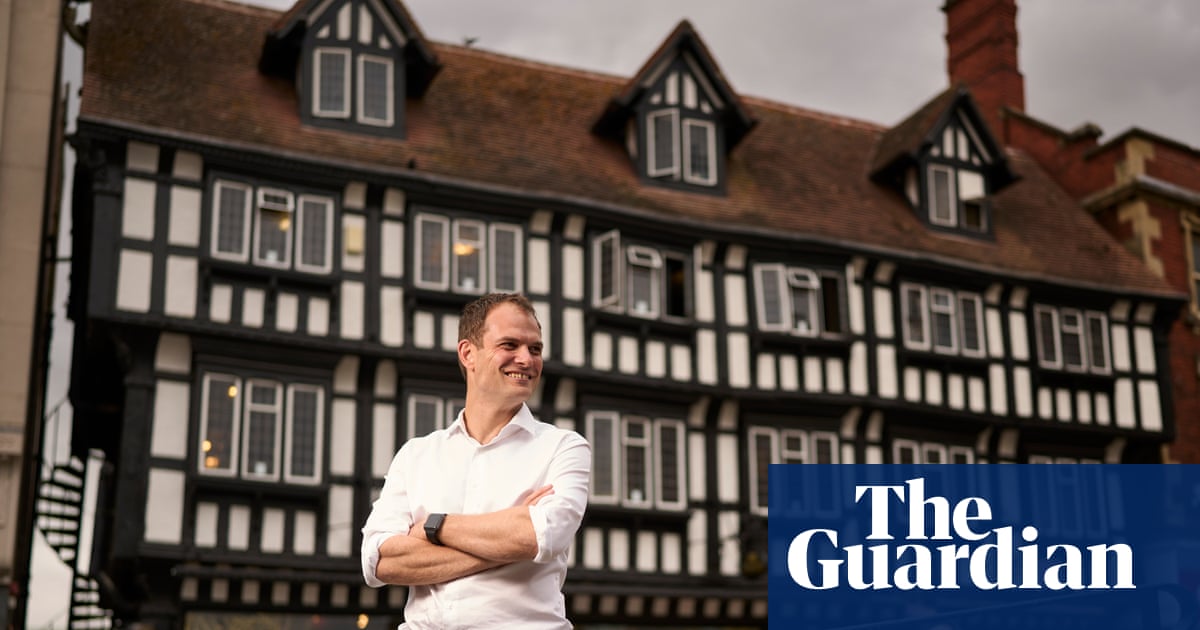
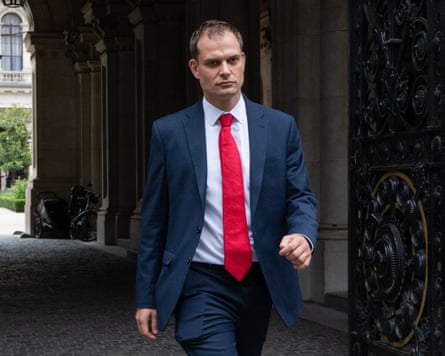
The UK will move faster and be more ambitious on achieving closer ties with Europe under Andy Burnham’s government, his new chief post-Brexit negotiator has said.
Hamish Falconer, the new cabinet minister in charge of the EU reset talks, said there was “room to be ambitious” within Labour’s red lines on Europe, which exclude reopening discussions on the single market and customs union, and he would look at the “art of the possible”.
He said greater cooperation on services – which might include visa-free travel for British people working in the EU, or mutual recognition of qualifications – was the next big area where the UK hoped to make progress. “I would want a deeper relationship, a more ambitious relationship with the EU,” Falconer told the Guardian.
“There’s also a whole range of areas in relation to services where I’d really like it to be progressed. Services is obviously an area where the EU itself is less closely integrated and there’s a lot of discussion within the EU about where to take the productivity challenge for them – that’s a challenge we can recognise here in the UK as well. So, particularly on services, I’m really interested in where we can go further.”
Falconer, the son of the Labour grandee Charlie Falconer, is a former Middle East minister and diplomat who has experience as a Foreign Office negotiator. He said he wanted “a sense of renewed pace” in the talks – though there is still no new summit date in sight. The long-awaited reset summit, which had been slated for July, was postponed after Keir Starmer resigned as prime minister in June.
“We’re committed to our manifesto red lines, but all of my experiences as a negotiator and the art of the possible is in part shaped by the nature of the relationship between two people negotiating,” Falconer said.
“I used to be a negotiator with the Taliban. With the EU, this is a negotiation with our friends, with whom we share our values and with whom we feel solidarity.”
Earlier this summer, EU diplomats expressed concern that the talks under Starmer had lost momentum, with the second annual summit of EU and UK leaders repeatedly delayed as talks stalled over a youth mobility scheme.
Falconer, who returned from his honeymoon when he was offered the post of Europe minister by Burnham, has spoken already to the EU trade commissioner, Maroš Šefčovič, and senior bloc figures hope he will bring a new energy to talks.
One said of his predecessor Nick Thomas-Symonds: “I really liked him but the problem was the UK didn’t open up a window, create the political space for a deal.”
They complained that instead of seizing opportunities to get a deal over the line and bank a political win to move on to the next phase, the UK negotiators “kept trying to add things” such as an agreement on services.
A source close to Thomas-Symonds disputed this and said good progress had been made on all areas under discussion ahead of the planned July summit.
It is believed that the next summit may not be held until October to give Falconer time to get across the detail, and for Burnham to flesh out his foreign policy.
Resolving the terms of a youth mobility deal is a key priority, to allow tens of thousands of European and British young people to live and work in each other’s territories.
Talks remained deadlocked due to the UK’s reluctance to allow EU students to pay the lower fees charged to UK students, something opposed by cash-strapped universities.
Falconer said the deal should “work for both sides” and was mindful of financial pressures on the university sector. “In my constituency in Lincoln, there’s two universities. I’ve got those issues very much at the forefront of my mind,” he said. “It is vital that as we go through this, we have real respect on both sides for what some of the constraints are for each of us.”
after newsletter promotion
Falconer said he wanted to apply Burnham’s “Makerfield test” to the EU negotiations, ensuring they would deliver tangible change to ordinary people struggling with the cost of living, including in his own very heavily leave voting constituency.
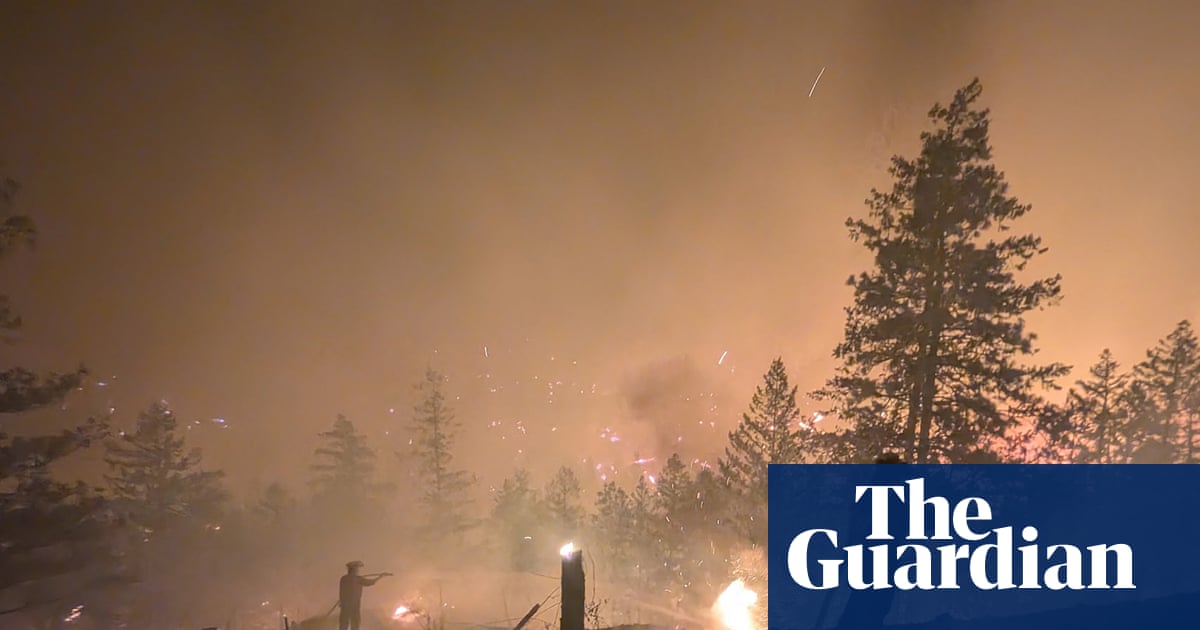
But he said he would continuously emphasise principles of “European solidarity”, which he said went beyond trade and were backed by shared values, including on defence and security and on how countries could tackle growing dangers such as wildfires caused by the climate crisis.
Starmer and Thomas-Symonds had been due to host the second UK-EU summit on 22 July, with progress already announced on a deal easing barriers for food and drink exports expected to come into force before summer 2027.
Though there was a warm relationship between Starmer and the EU’s Ursula von der Leyen, the UK had also faced difficulty in fulfilling some of the promised changes agreed at the last UK-EU summit, including an inability to reach agreement on the UK’s entry into the €150bn Safe fund for defence investment.
Talks over UK participation in Safe collapsed last November with France blamed for setting too high a price for British involvement. Seasoned observers in Brussels say it was also embarrassing for the EU and was “a failure of statecraft” on both sides.
Falconer said: “I think that we have made some real initial progress on resetting but now we’ve got to deliver.”
Having Downing Street support to give Falconer the political space that EU diplomats want created will be key. And he says he has the experience to deliver.
“I used to be a negotiator in the Foreign Office, often doing really hard negotiations. Ultimately, the character of the wider relationship is really important,” he said. “Yes, there are some really important technical questions that we have got to get right.”
“But we also need to put this in the big picture… there is also a massive wider European agenda, which is really important to us, and Britain is really important to that agenda too. Security, defence, tech. We are a big part of those discussions and those dilemmas.”
Falconer said he would use his role – now at cabinet level – to boost the UK’s participation in solving Europe-wide challenges outside the EU. “We are part of Europe and we feel the threats to Europe, whether it’s in eastern Europe from Russia invading Ukraine, or even wildfires and that shared sense of challenge in dealing with that.”