2 months ago
74
2 months ago
74
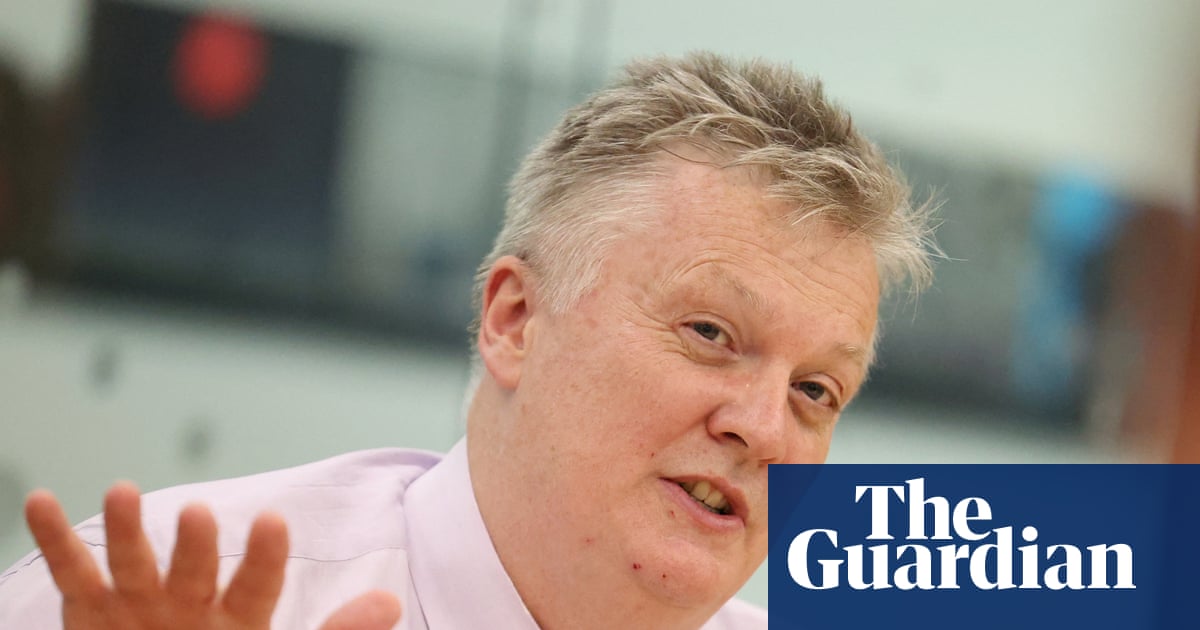
The boss of Next has said clothing prices could rise by 4% to 10% if conflict in the Middle East extends into the autumn and factories are hit by higher fuel and fabric costs.
Simon Wolfson said the clothing and home retailer had so far seen little disruption to its supply chain.
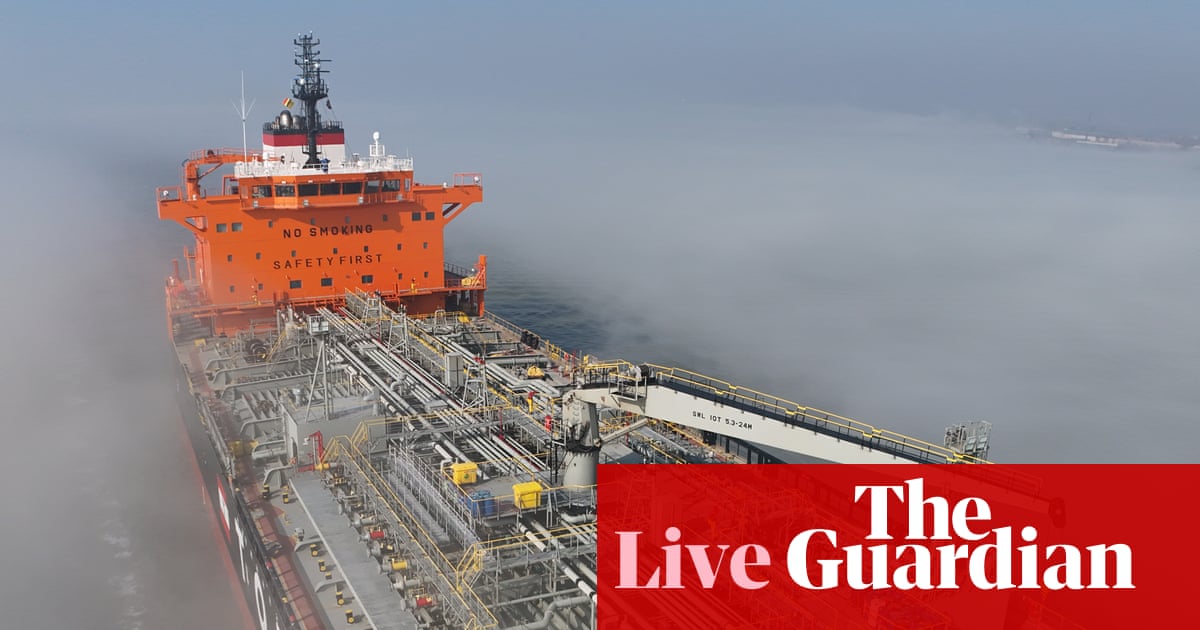
While container ships are being delayed by up to two weeks as they travel slowly to save fuel, he said the company already held enough spare stock to prevent gaps on shelves.
He said these costs could amount to £15m if the conflict lasts three months and prices could begin to rise by about 1% from June or July if disruption dragged on until then.
Lord Wolfson added that Next was offsetting additional costs on fuel and air freight with savings elsewhere and it did not expect any effect on profits for the year ahead.
He said if the conflict continued into autumn, there would be “a more significant increase in prices” to pass on – of between 4% and 10% – and his main concern was about the price and availability of fuel for factories.
He said the increase was “unlikely to be as much as” 10%, given that retailers and suppliers would make savings to mitigate the impact.
The boss of rival fashion retailer H&M also said a prolonged conflict could have a significant impact on consumer spending.
Daniel Ervér, the chief executive of the Swedish chain, told Reuters: “A continued conflict, such as with continued high energy prices, will create inflationary pressure on a consumer who already has tough inflationary pressure.”
Despite Wolfson’s warning on the effects of the conflict, Next upped its profit guidance by £8m to £1.2bn for the year to January 2027 after better than expected sales in January this year.
It said the guidance was being increased despite its expectation that sales in the Middle East, which account for 6% of group turnover, could be adversely affected until the summer.
Wolfson said he had not spotted signs of a turn for the worse in consumer sentiment. “If energy bills and the [higher costs] feed through to [retail] prices, that is when they will respond,” he said.
That came after pre-tax profits rose 14.5% to £1.16bn in the year to January as sales increased by almost 11% to £7bn.
In its annual trading update, Next said of the Middle East conflict: “We have no feel for the medium-term effects on supply chain resilience, freight rates, factory gate prices and consumer demand.
“Much will depend on how long the conflict persists, and how much permanent damage is done to the world’s energy infrastructure.”
Next said it had increased the amount of stock it held by 6% to give protection in the event of supply chain delays, although that was partly linked to the development of its warehouses.
Sales at the group were boosted by strong sales overseas, particularly via third-party websites such as Zalando, and from its newly acquired brands such as Cath Kidston. However, the group also increased sales in stores and online in the UK.
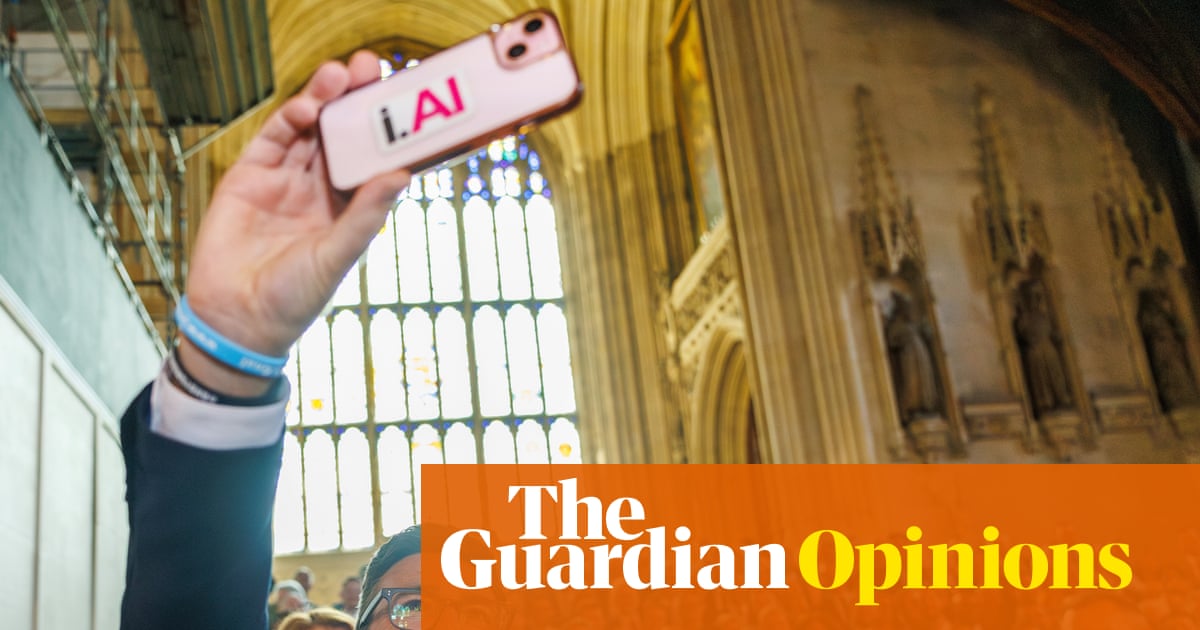
Next said it was focused on cutting costs, with more use of AI in its warehouse operations part of the plan for the year ahead. It said it was already using AI technology to help in sales forecasting, as well as getting the right discounts and range of sizes in stores and online.
In a lengthy report, the company said: “At Next it appears to us that AI will change people’s jobs rather than replace them, making them much more effective, and taking away many of the tasks they enjoy least. People will need to adapt and change, but Next people are generally good at that.”
It said the jobs most affected were “routine processing jobs”.
Next added: “If we are reflective of the wider economy, then those in jobs need not worry too much; the challenge will be for those looking to join the workforce.”
The retailer was the biggest riser on the FTSE 100 on Thursday, with its shares up nearly 5%.