2 months ago
88
2 months ago
88
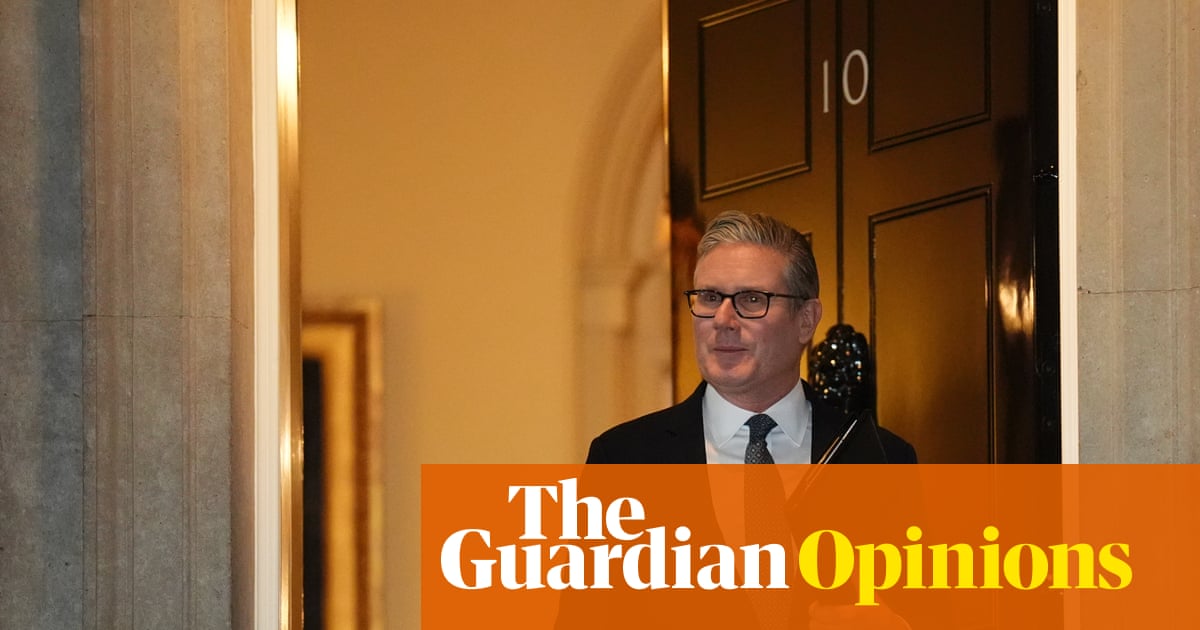
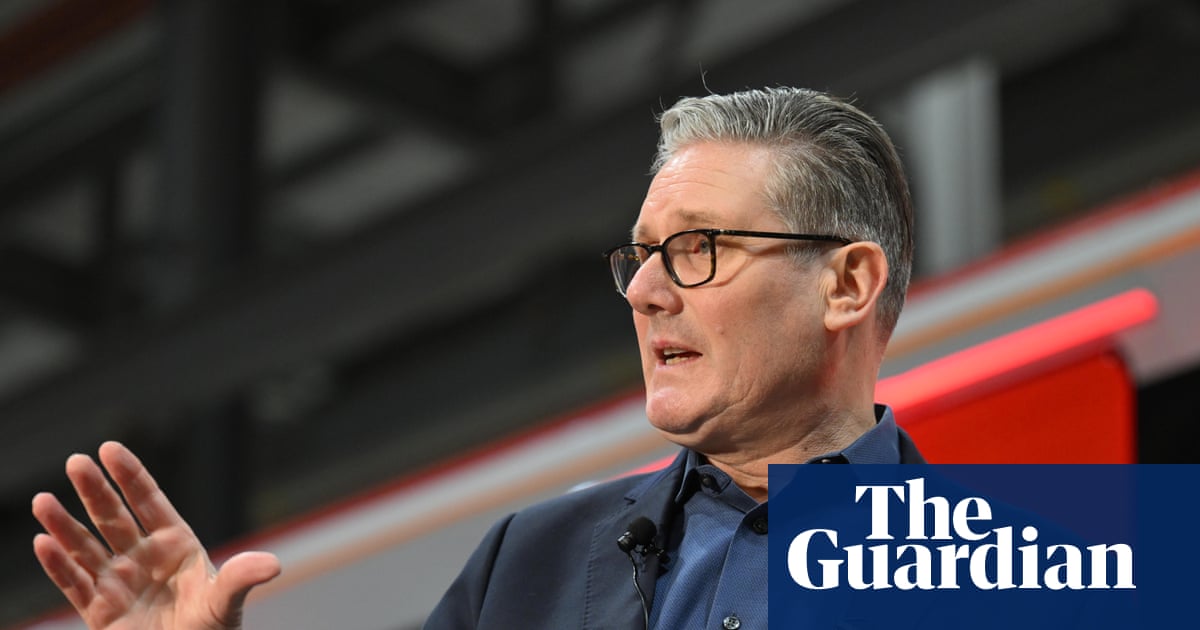
Keir Starmer and Donald Trump’s “special” relationship? It’s complicated. This week, hours before a scheduled phone call between the two leaders, Trump shared a clip of another conversation. It was a sketch from the inaugural episode of Saturday Night Live (SNL) UK, in which a nasal and stressed Starmer, played by George Fouracres, repeatedly tried to get out of calling the president. “I just want to keep him happy, Lammy,” moaned the PM to his deputy. “You don’t understand him like I do – I can change him.”
After weeks of very real tensions over what Trump perceives as a lack of British support for US military action in Iran, the humiliating clip was a nightmare for Downing Street. But you know who it was a dream for? SNL UK, which just had its arrival announced by the most powerful man in the world.
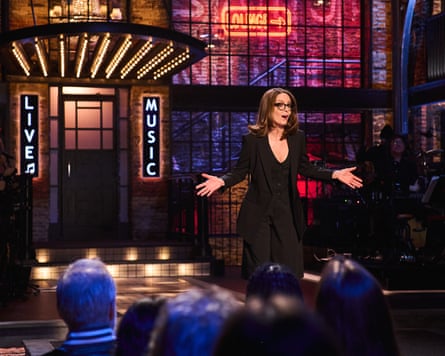
When it was revealed that Sky would be making its own version of the 51-year-old US television institution, the collective reaction was: why? It’s a question Tina Fey – the former SNL head writer, who swooped in to host the first UK show – addressed in her opening monologue, admitting that “no one really knows why” this was being made.
Prior to the launch, there was a healthy dose of cynicism. Sketch comedy can be toe-curlingly cringe, and importing a classic format from America? That goes against Britain’s deeply ingrained cultural superiority complex. But after a promising start, with encouraging reviews and viewing figures, I think we should all be rooting for SNL because new formats and fresh talent are desperately needed to save linear TV from the merry-go-round of tedium on which it is stuck.
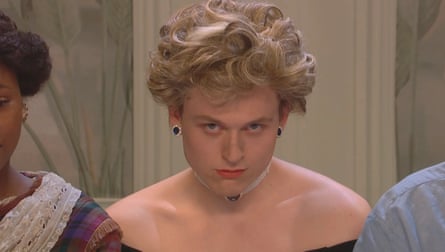
For a show like SNL UK, the social media era presents huge opportunities. Already, just one post from Trump has made next week’s episode feel like essential viewing. (Even if there were some creaky sketches that didn’t work, such as David Attenborough’s Last Supper, which was only saved by Jack Shep’s flawless princess Diana impersonation.) But this early virality highlights its biggest issue: will viewers actually watch live or on catch-up, or will they simply scroll through the best moments on their social feed the following morning? If it’s the latter, the show will be difficult for Sky to monetise.
Social media’s splintering of our viewing habits also makes SNL harder to pull off, because news-based sketch comedy relies on common reference points – that’s why Paddy Young and Ania Magliano’s Weekend Update segment on influencers fleeing Dubai worked. As the sketches continue, they need to keep finding big laughs for a viewership whose attention is increasingly fragmented by algorithms.
This lack of any type of monoculture is exactly why SNL UK feels exciting – and borderline radical. Linear TV is in deep crisis: look no further than the schedule on Saturday night, where the choices were The Weakest Link (BBC One), Britain’s Got Talent (ITV) and a repeat of Top of the Pops (BBC Two). In years gone by, a bold commission like SNL UK would have found a home on these channels, or perhaps Channel 4, who have a specific mandate to be experimental. But now, their schedules are a conveyor-belt of tired formats, from I’m a Celebrity to The Apprentice and Strictly Come Dancing. The runaway success of a show like The Traitors proves that audiences want new formats and crave that nostalgic “water-cooler” television, where it feels like everyone is watching the same thing.
SNL isn’t just a new venture (in the UK, at least); it introduces us to a well of fresh talent. In the 2000s, E4’s hedonistic teen drama Skins created a new generation of acting stars, from Nicholas Hoult to Dev Patel and Oscar-winner Daniel Kaluuya. Seeing the crop of SNL UK stars posing in front of a London bus stop in promotional images, it strikes me how rare it is to see a show giving a platform to new talent. This is a generation who might go on to write the next Catastrophe or Peep Show, but are given few opportunities to shine.
You could argue that SNL UK has been blessed by low expectations. It might be hard for Americans to contemplate, but the US version isn’t watched or held in high regard in the UK. This will make it easier to infuse with the type of British eccentricity that makes series such as RuPaul’s Drag Race UK and The Traitors UK stand out from their US counterparts. As Scott Bryan noted in a review for Variety, the show works best when it leans “into something more British and inherently surreal”, like Cilla Black impressions and William Shakespeare riding in on a stolen Lime bike.
Moving forward, there are significant challenges. It is behind a paywall, and can only be watched with a Now TV or Sky account. Britain also seems to have become squeamish about sketch comedy since the days of 1980s political satire Spitting Image, or 00s hits such as Little Britain and The Catherine Tate Show – now reappraised as shows that mostly punched down at their subjects. Instead, British comedy found a sweet spot in sharp, ironic dramas like Fleabag or wholesome sitcoms like Gavin & Stacey, but the entire point of SNL is that it is grounded in a more fractious reality that viewers might want to escape.
As self-deprecating Brits, we are conditioned to cut people down to size when they step outside of “their box”. A comedy sketch show starring relatively unknown comedians is likely to trigger that impulse. But if SNL UK can inspire Saturday night TV to free itself from a doom loop of the same faces and tired formats, I’m all for it.
Saturday Night Live UK is streaming on Now TV.