1 month ago
41
1 month ago
41
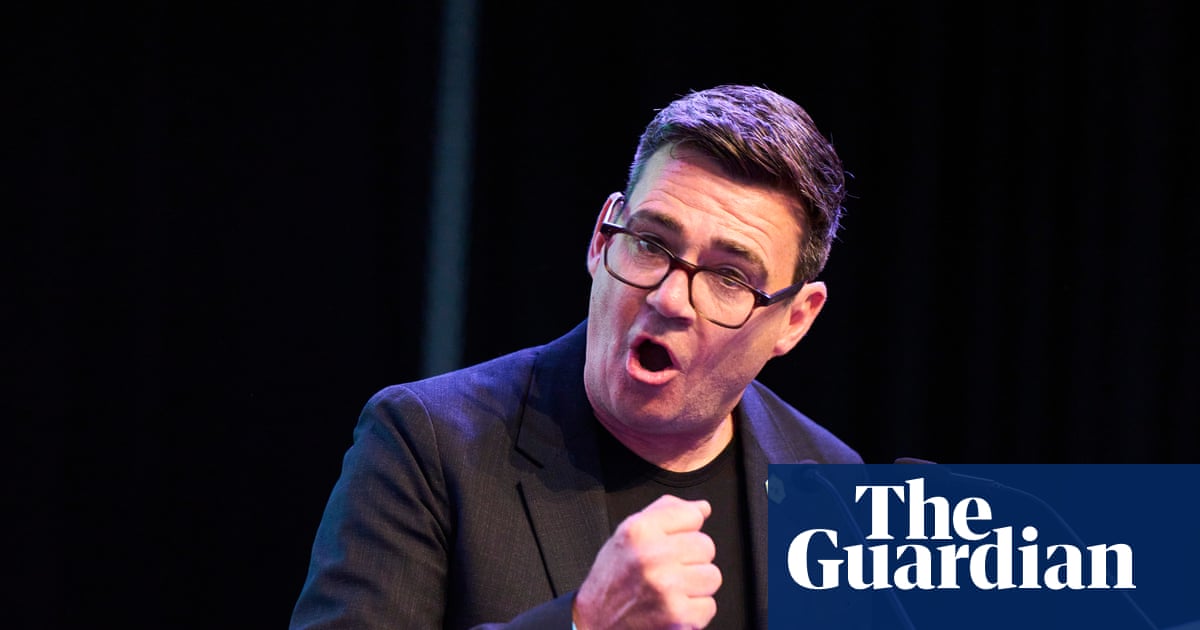
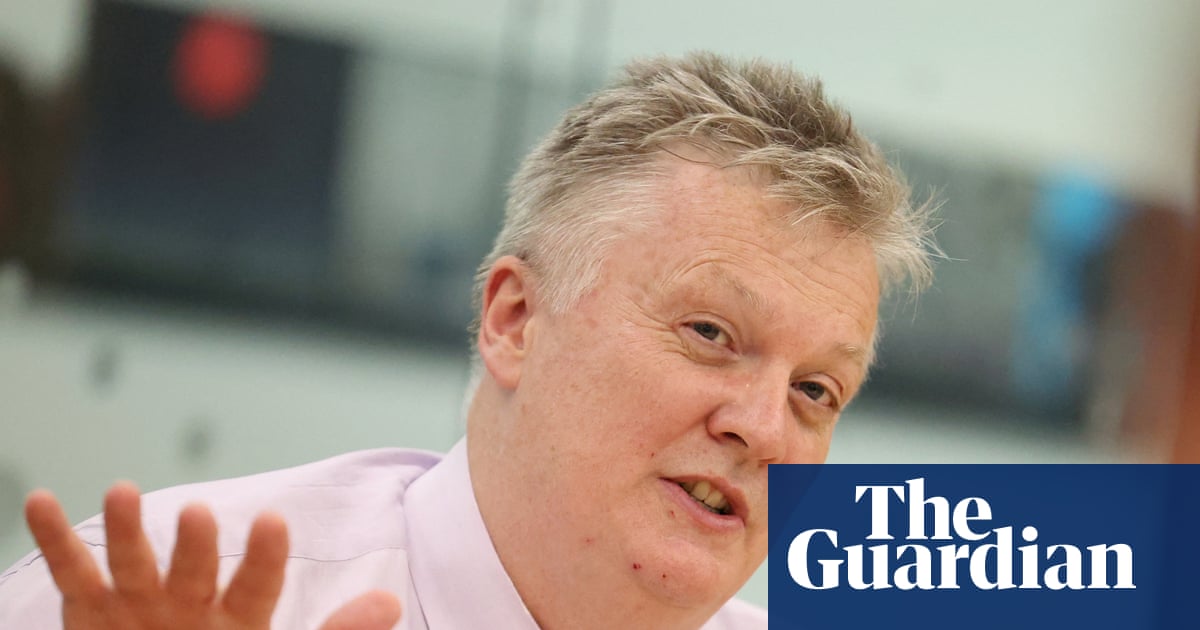
Reform UK represents an acute threat to Scottish self government, John Swinney has warned, adding that nationalist victories in Scotland and Wales in May could “irrevocably change” the dynamics of constitutional debate across the UK.
While the Scottish National party enjoys a comfortable polling lead ahead of the Holyrood elections next Thursday, recent polling has put Reform, led in Scotland by the millionaire and former Conservative peer Malcolm Offord, neck and neck with Scottish Labour for second place.
Cruising towards an unprecedented fifth term, Swinney comes across as genuinely relaxed, as the SNP benefits from the fracturing of the pro-union vote offsetting lower approval rating for his government. Arguably the greatest threat all parties face is turnout, after a lacklustre campaign mirroring voter disengagement and an unusually high level of undecideds.
Speaking to the Guardian, Swinney said: “The advent of Reform will bring in a sizeable number of [members of the Scottish parliament] who want to get rid of the place.”
And after the next UK general election “there is the possibility of a Reform government that could well attempt to abolish the Scottish parliament”.
SNP strategists want to impress on voters “what’s at stake” in this election, while opponents suggest it suits him to talk up Reform to avoid challenges about his own government’s record.
Although Reform politicians have in the past individually called for the reversal of devolution, the party’s Scotland manifesto does not propose abolishing Holyrood, instead pledging to “maximise [its] benefits”, while reducing the number of MSPs to align with Westminster constituencies and introducing a mandatory 10-yearly review of devolution powers.
But the Economic and Social Research Council-funded Scottish Election Study found that abolishing the Scottish parliament was the most popular constitutional change option among Reform supporters, with support for this option also doubling among Conservative voters.
Taken together, the “constitutional debate shifts, said Swinney. “What Reform represents is an acute threat to self-government.”
Swinney is keenly aware that – with Plaid Cymru predicted to win power in the Senedd and Sinn Féin the largest party in Belfast – centre-left nationalist parties who ultimately aspire to leave the UK are expected to be in government for the first time simultaneously in Scotland, Wales and Northern Ireland after 7 May.
This scenario would, he said, “force the UK government to recognise properly the consequence of devolution or self government, which is the ability of different parts of the UK to choose their own directions on policy and on major questions”.
This could include welfare reform and measures to manage the cost of living, in particular energy costs, he suggested. He said it would be premature to coordinate on policy detail ahead of the elections – he was clear that discussions with Plaid and Sinn Féin are already under way. “What we do all recognise is that three first ministers from nationalist parties would fundamentally change the UK”.
As the Guardian reported earlier this month, there are expectations that Sinn Féin would use Plaid Cymru and SNP victories to boost its demands for a poll on Irish reunification by 2030, while many predict that a Reform victory at Westminster would sharply increase support for independence in Scotland and Wales.
Could he imagine the three nationalist governments working together on separation from the UK? “Each part of the UK has its own right to take its own decisions,” he said. “It’s not for me to influence but certainly to work with, and to collaborate, and where we have common agendas to pursue those with each other.”
The SNP and Plaid have collaborated for decades, but alignment with Sinn Féin was previously politically unthinkable and Swinney’s recent overtures have met strong criticism from right of centre parties and commentators in Scotland.
His response was succinct: “We’re living in 2026. A lot of water has gone under the bridge, including the moment of extraordinary significance … which was the Good Friday agreement.
“If the players in Northern Ireland can come to that agreement, it’s ludicrous that some voices in Scotland are not prepared, like me, to recognise that’s a good thing and move on.”
Throughout the campaign, Swinney has charged Scottish Labour with planning a “grubby backroom deal” with Reform to lock the SNP out of government should they fail to win a majority. But Nigel Farage has personally attacked Scottish Labour leader, Anas Sarwar, on race and the party continues to promote a candidate who has called for the deportation of Muslims.
Sarwar has always denied the charge, most strongly in an interview with the Guardian in which he attacked Swinney for weaponising the issue instead of calling out Reform’s racism.
“I don’t think anybody has stuck their neck out more to oppose Reform and all that represents in Scotland than me,” Swinney responded, “and I’ve used the full force of my office as first minister.” In February last year, he convened a gathering of political and civic leaders from across Scotland to discuss the threat to shared values from the far right.
This has become “a point of the substance”, he argued, after journalists reported briefings from Labour sources that Sarwar could be elected first minister with the support of Reform MSPs.
“If that’s the case, people in Scotland need to know it, because we have to realise the threat that’s coming our way from Reform, and [Scottish Labour] accepting tacit support from Reform will usher in loathsome politics into the fabric of our society.”
He batted away questions about future cooperation with the Scottish Greens, who are enjoying a surge in support driven partly by Zack Polanski’s popularity south of the border – “the easy way through this is to get an SNP majority” – and among senior party figures there is no appetite for a reprise of the governing partnership that ended disastrously for previous SNP leader Humza Yousaf.
Swinney has made much of his experience and reliability, first in calming the SNP’s internal strife after the turbulence that followed Nicola Sturgeon’s resignation in 2023, and now at a moment of international uncertainty. He said he was fighting an election campaign doing “exactly what I told my party I would do [when elected leader], relating independence to the everyday concerns of people”.