3 months ago
166
3 months ago
166
An easy narrative about the great BP boardroom drama runs like this: the plodding non-executive directors couldn’t handle the blunt ways of the hard-charging chair they had hired precisely to give the place a kick. Therefore the defenestration of Albert Manifold after only eight months in post shows BP is even more dysfunctional than thought.
The best outcome for shareholders, on this reading, would be a takeover bid from Shell to put everybody out of their misery. In the meantime, continues this interpretation, Amanda Blanc, the Aviva boss who is the senior independent director, should let somebody else lead the search for the next chair, given how her last production turned out.
One can see the appeal of this narrative, of course. It superficially fits with BP’s recent history of muddle, which started with the fiasco of Bernard Looney’s exit in 2023. The former chief executive was found to have “failed to fully detail relationships with colleagues”, something the board should have gripped first time around. Then there was the flip-flopping over strategy as Looney’s green-tinged approach was abandoned in slow motion. Murray Auchincloss, as Looney’s finance chief, was probably the wrong person to replace him. The ineffectual Helge Lund, Manifold’s predecessor, stayed too long.
Yet it is far too simplistic to conclude that Manifold’s exit is a continuation of the same confusion. In fact, the exact opposite view is more convincing. Isn’t the latest episode an example of BP’s board, unusually, doing what it is supposed to do and confronting a problem promptly?
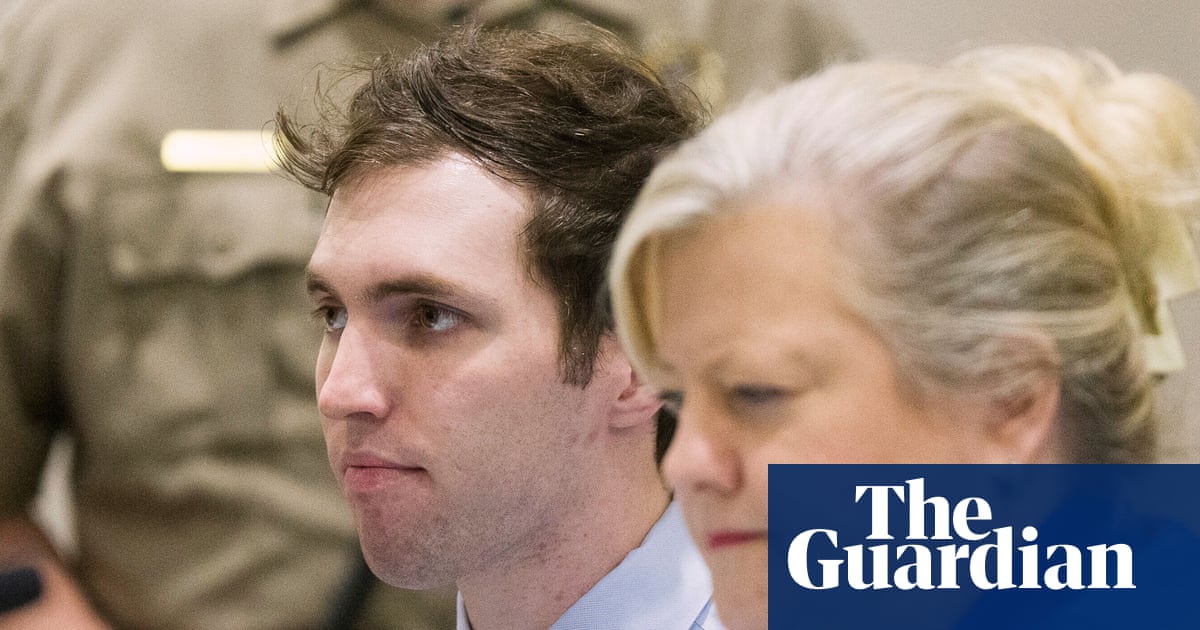
The directors considered the “serious concerns” raised against Manifold related to “important governance standards, oversight and conduct”. They came to a conclusion on which all, including Meg O’Neill, the new-ish chief executive, agreed. And, having deemed the chair’s conduct to be “unacceptable”, they didn’t try to smooth things over and instead removed him.
We don’t know the specific concerns, because the board didn’t say. The lack of transparency doesn’t help, even if it is understandable. So one can sympathise with Manifold to a degree when he rages against anonymous and loose briefings that went beyond the board’s statement. He was bound to bite back on that front, especially when it came to nonsense about hotels.
But there is still the basic point that boards must take whistleblowing concerns seriously, and it would be alarming if they didn’t. The directors were obliged to take a view on Manifold, and did so. This was not a disagreement over strategy.
There is a separate question of whether it was wise to appoint him in the first place. Given how things have turned out, clearly not. But nobody was saying that at the time. Manifold had been a highly successful chief executive of CRH, the Irish building materials group, and BP’s shareholders were demanding an injection of results-focused vigour. On the other hand, he was not an experienced big-company chair. On balance, it was a risky but not unreasonable appointment. Headhunters in the form of Egon Zehnder were used. One assumes the usual rigorous checks and references will have been made.
In these circumstances, the clamour among some fund managers for Blanc to stand aside from the next chair-recruitment round is bizarre. It misunderstands the role of a senior independent director. She or he can’t perform a solo mission or simply impose their pick on the board. Stand-in chair Ian Tyler will, presumably, also be involved closely in the process, unless he’s a candidate himself.
When the dust settles, there is no reason why the damage should be permanent, assuming O’Neill goes the distance and produces the promised “simpler, stronger, more valuable company”. Yes, the sudden removal of a FTSE 100 chair is a big deal – and, yes, it’s BP in the spotlight yet again. But the solution is simple: just make sure the next chair measures up.