3 hours ago
11
3 hours ago
11
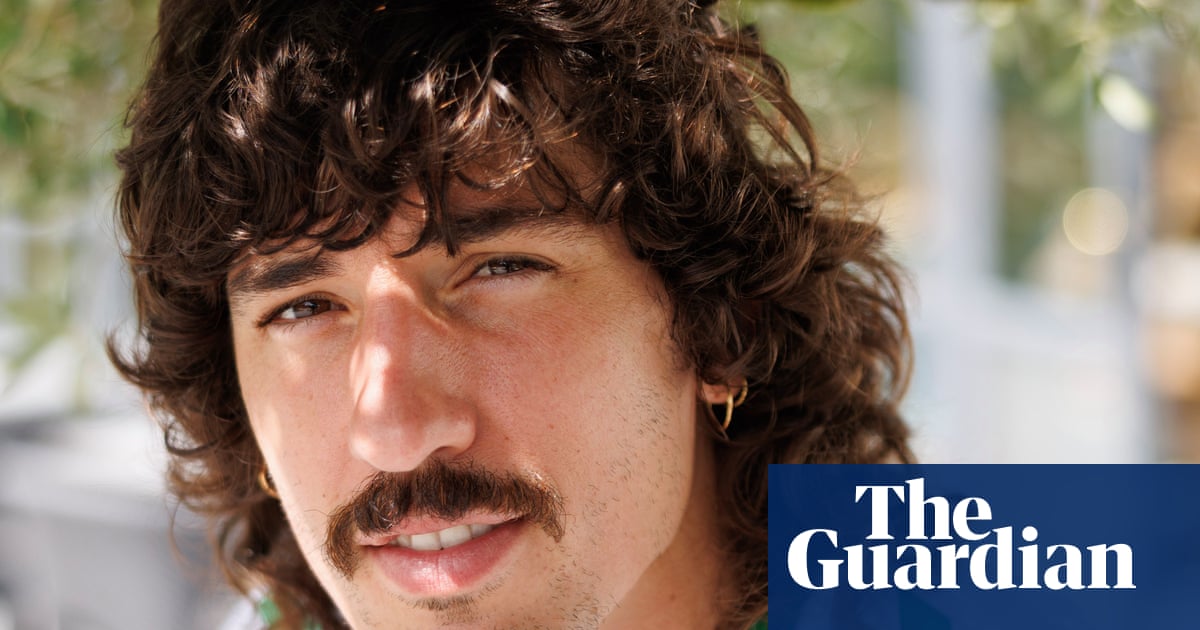
When Cristian Lucañas tells people about his job, their response is normally a mix of shock and confusion. “The majority would actually be questioning why,” says Lucañas, 32, who is the only entomologist specialising in cockroaches in the Philippines, where he is known as the “Cockroach Lord”.
He recalls one person, apparently perplexed at the insects’ existence, asking simply: “Did God create cockroaches?” Others seek advice on how best to kill them.
Cockroaches have serious reputational issues. They have repeatedly been ranked among the most hated of all insects on the planet – more disliked than mosquitoes, one of the world’s deadliest creatures. The loathing dates back thousands of years: ancient Egyptians resorted to a spell to chase away “vile” cockroaches. There is even a term, katsaridaphobia, for people who are afraid of them.
Lucañas says cockroaches are misunderstood. “Of course, household cockroaches are unsightly,” he says, but adds that the pests that scuttle across kitchen floors and fly out of drains are normally German or American cockroaches, which make up just a fraction of the thousands of cockroach species that exist globally. “They’re not a good representative for the other cockroaches,” he adds.
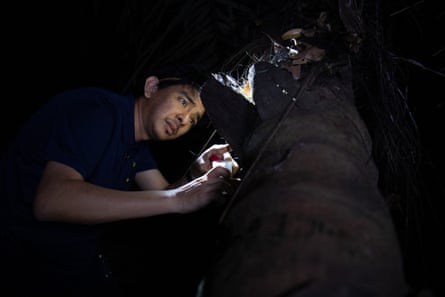
Most cockroach species don’t even live near humans. In the Philippines, they are found deep inside caves and forests, where Lucañas, a researcher at the University of the Philippines Los Baños, spends much of his time, observing their behaviour and searching for undescribed species. They play a crucial role in our ecosystems, recycling waste into nutrients, serving as prey for lizards or birds and, in some cases, dispersing seeds or acting as pollinators.
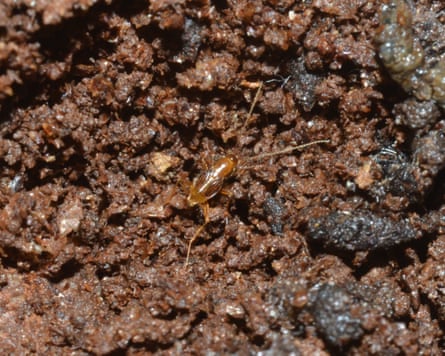
Lucañas did not set out to be a cockroach specialist. He had hoped to study fish, he says, but his professor encouraged him to focus on insects. It was in 2013, as an undergraduate, that Lucañas went on a field trip to caves in Burdeos, Polillo Island, and spotted an undescribed species of cockroach, the gold-coloured Nocticola gonzalezi.
Its official name honours Juan Carlos T Gonzalez, a professor at the Institute of Biological Sciences at the University of the Philippines Los Baños. But, informally, it was called the gold cockroach, a nod to a legend in the Philippines that claims Japanese soldiers buried vast quantities of looted gold in the country during the second world war.
Lucañas has since described eight more Philippine cockroach species and co-described six species from other countries, naming some of them after characters from Tolkien and Pokémon.
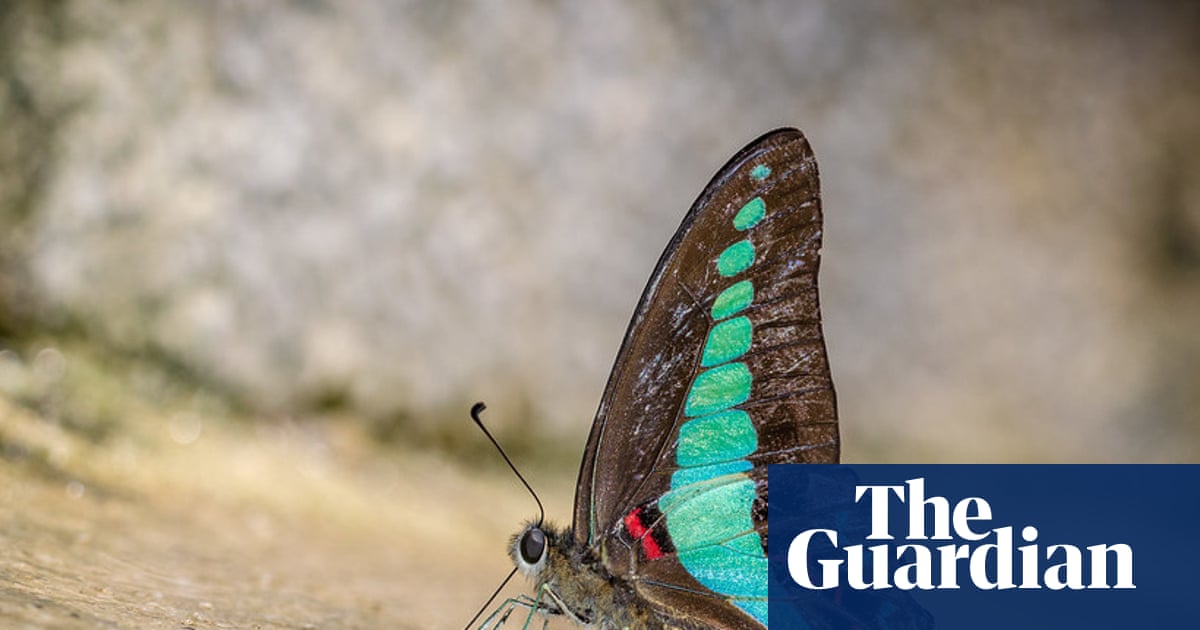
Cockroaches are hugely diverse in form, he says. Different species exist in a rainbow of colours, from vivid blue and light green to metallic shades. They can also behave in unexpected ways. “There are a lot of cockroaches that look like beetles, some that can roll into balls, some can jump like crickets,” adds Lucañas.
Female members of the genus Perisphaerus are particularly devoted mothers that, unusually for insects, feed their young. “The babies puncture the armpits of their mother and they stick their head inside – it’s something like breastfeeding,” he says, but rather than drinking milk, they feed on blood.
Termites, a “eusocial” species of cockroach, are especially under-appreciated, despite being just as industrious and organised as ants, and living in similarly sophisticated social units.
Termites are more commonly thought of as pests that damage homes, adds Lucañas. But in forest settings, their role in decomposing wood is crucial. “If those stored nutrients are not brought back to the soil, they would just be stuck in the wood. The ecosystem won’t be able to reuse those nutrients for the other organisms, for the other plants,” he adds.
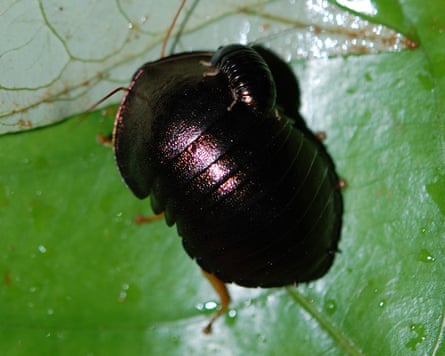
There is a perception that cockroaches are indestructible. Pest varieties are capable of outwitting the most determined control efforts, and surviving on anything from greasy pizza to human hair.
But non-household cockroaches in the Philippines are far more vulnerable, says Lucañas, who points to threats such as global heating and habitat destruction, as land is developed or exploited for mining.
“There are still a lot of things that we don’t know yet [about cockroaches],” says Lucañas. “At the same time, there’s a lot of pressure on the natural environment.”
Globally, invertebrates, particularly insects, are dying out at an alarming rate, though most conservation funds go to more charismatic animals.
In 2019, two cave-dwelling species, the Antipolo blind cave cockroach (Nocticola caeca) and Simon’s cave cockroach (Nocticola simoni), were listed as endangered in the Philippines, while five other cockroach species were listed as vulnerable. It was the first year that cockroaches were included on the list, as there had previously been too little information.
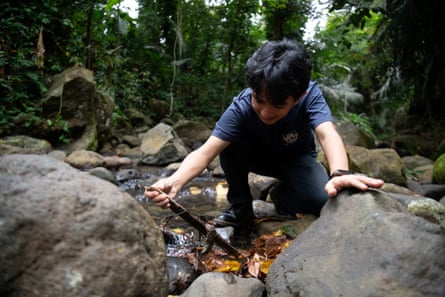
There are at least 130 known species in the Philippines. “And a lot more yet to be discovered,” says Lucañas.
There also are many unknowns about the part they play in our environment. “Do we have more of these pollinators or seed-dispersing species that we don’t know yet? What [other] roles can cockroaches play?
“There’s a lot more questions that need to be answered,” he adds. “And more surprising discoveries that we will find.”
It’s invertebrate of the year again! From 3-12 August, every day we’ll be profiling one of the thousands of amazing invertebrates that our readers have nominated, and then, when you’ve got to hear about all of them, we’ll open the voting so you can choose your favourites. Don’t hesitate to get in touch with thoughts and ideas: email us at [email protected] with Invertebrate in the subject line.
Find more age of extinction coverage here, and follow the biodiversity reporters Rebecca Ratcliffe, Phoebe Weston and Patrick Greenfield in the Guardian app for more nature coverage.