2 months ago
118
2 months ago
118
Progress is possible. Over two decades, global child mortality plummeted. There were many reasons for a 39% reduction in deaths in lower and middle income countries between 2001 and 2021, but a significant one was overseas development aid, which supported everything from sanitation to vaccination programmes to food security.
That shift has slowed, and – like similar advances – is likely to reverse if aid budgets continue to be slashed. Researchers warned last month that continuing cuts could result in more than 22 million avoidable deaths in the next five years, with a quarter of those among children under five.
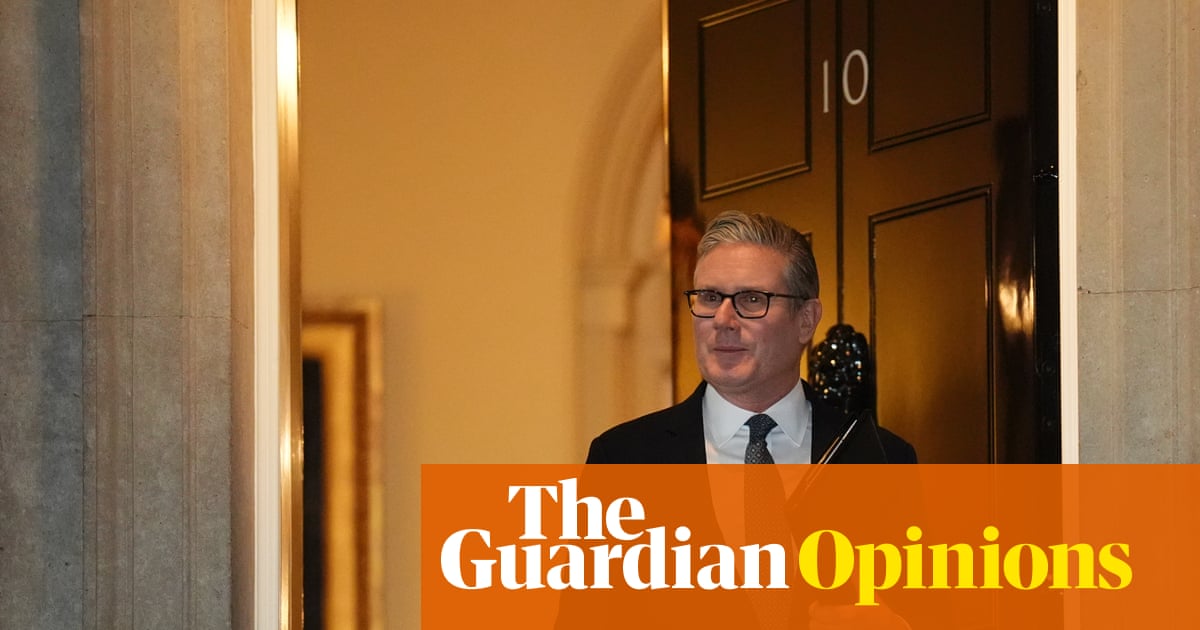
The UK’s decision to slash aid by 40% is part of a global trend: G7 spending will be 28% lower this year than in 2024. Donald Trump has dismantled USAID; Germany, France and others are chopping their budgets. But Britain’s case is particularly dismaying. A bipartisan consensus saw David Cameron, building on Gordon Brown’s work, make Britain the first G7 country to hit the internationally agreed aid target of 0.7% of gross national income (GNI). Now, under a Labour government, aid will be just 0.3% of GNI next year – the lowest rate for decades. The UK’s cuts are arguably the harshest in the G7.
Yvette Cooper, the foreign secretary, set out the alarming details on Thursday. Bilateral aid to Africa will be cut by 56%, with some of the world’s poorest countries losing aid that funds schools and clinics. Climate aid will be slashed by 14%.
Embarking on unpalatable choices, the government has made some sensible decisions, including ongoing support for Sudan and Gaza and for Gavi, the vaccine programme, and the prioritisation of multilateral schemes over bilateral projects. But the overall picture is “desperately bleak”, as Sarah Champion MP, the Labour chair of the international development committee, noted.
The government says that the cuts are necessary to pay for rising defence costs. But seeking to also present this as a prudent reconsideration of how to approach aid, rather than frankly acknowledging the real harm done, has damaged the UK’s standing. The case for using public money to leverage private investment is not new, and while it has strengths, its results have limits – and will hardly be improved by cuts. Private money is unlikely to go to the same countries or sectors. Investors may want to fund infrastructure and enterprise in developing economies; they do not rush to pay for health projects in fragile ones. Nor are they likely to appear at a speed or scale that will fill the gap.
NGOs and campaigners persuaded British politicians of the case for aid, but were never as effective in convincing the public, with predictable results as the cost of living rises and the populist right gains ground. Hubristic claims by some campaigns may not have not helped, and organisations could work together more effectively. But unhelpful comments from politicians, particularly Boris Johnson’s remark about UK aid being treated as a “cashpoint in the sky”, have caused more harm.
Aid cuts damage Britain’s reputation and make it less secure. A stabler, more prosperous world is in its interests. But it is just as important to remind the public that development funding can claim real achievements, like those millions of people now growing into adulthood. Such progress must be celebrated if there is to be more to come.
-
Do you have an opinion on the issues raised in this article? If you would like to submit a response of up to 300 words by email to be considered for publication in our letters section, please click here.