2 months ago
114
2 months ago
114
For years, official Chinese rhetoric on Iran invoked their shared historical status as grand civilisations that have struggled against western aggression. Bilateral ties date back more than half a century. In 2021, they signed a comprehensive strategic agreement pledging $400bn of Chinese investment. And China’s economy is already flagging; it has just set its lowest growth target since 1991, underlining the importance of stability for Beijing.
So its muted response since the US and Israel launched their war is striking. Beijing condemned the attack, but it was Washington that postponed the summit between their leaders because of the conflict. As Gulf states that previously mediated back away, China shows no interest in stepping up.
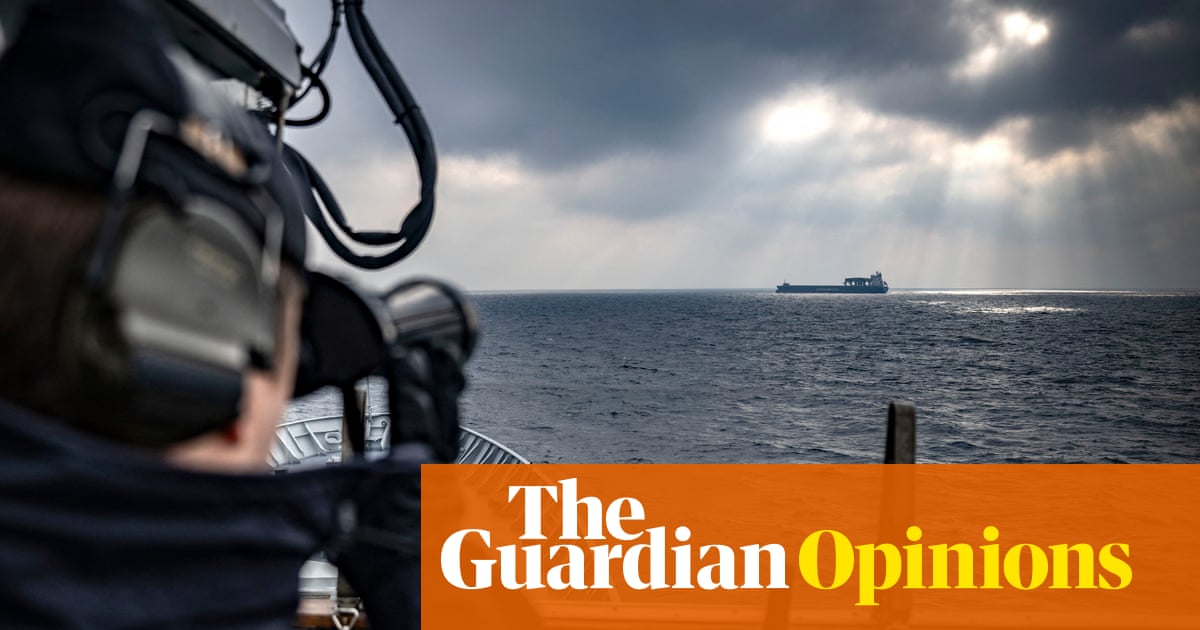
The Sino-Iranian relationship is long and broad – but not deep. Beijing’s partnerships are openly transactional: in contrast to the (pre-Trump) US, it offers arms sales but avoids security guarantees. And while Iran sells 90% of its exported oil to China, only about 13% of China’s imported crude comes from Iran (often at a discounted rate, thanks to western sanctions). Chinese-flagged ships are transiting the strait of Hormuz and Beijing has built up vast reserves of oil, food and fertilisers.
More of its oil now comes from Gulf cooperation council members; it has broadened its interests across the Middle East. Gulf states have sought to hedge their bets as US dependence on their fossil fuels has declined, while sanctions on Russia underlined to Chinese firms the benefits of diversifying investment and trade. Although Beijing worries about the destabilising effects of the war internationally, there are opportunities too. Investors are betting that China will benefit from a surge in demand for renewable technologies. India has already sought help accessing fertilisers. China may pick up reconstruction work in the Middle East as well as cut-price assets.
November’s US national security strategy reiterated that challenging China would be a priority, with Washington’s longstanding focus on the Middle East receding. Yet this war is costing it an estimated half billion dollars a day as it consumes vast quantities of arms – and assets, as well as its attention, have been diverted from the Indo-Pacific region. Xi Jinping may see a growing opportunity to advance ambitions to take control of Taiwan, perhaps through negotiation with a distracted and transactional US president. The war’s clearest benefits for Beijing are the further erosion of belief in a rules-based order, and the fact that it looks like a more predictable player set beside Donald Trump’s US.
But it now has expanded economic and diplomatic interests to protect and a growing expatriate population – perhaps a million in the Middle East alone – who expect protection. When tensions grow, its limited security contribution becomes more conspicuous and its avoidance of taking sides becomes trickier. Its pride in brokering a Saudi-Iranian thaw in 2023 looks rather hollow. The limits of “strategic ambiguity” are showing.
Some argue that this war reveals the enduring nature of American dominance and China’s limited means to respond to US hard power turned against its partners. The bigger issue is that it must now negotiate a world in which the US is as likely to upend order as maintain it. Barack Obama once remarked of China that “they’ve been the [security] free riders for the last 30 years, and it’s worked really well for them”. Beijing, and others, now face the question of what comes next.
-
Do you have an opinion on the issues raised in this article? If you would like to submit a response of up to 300 words by email to be considered for publication in our letters section, please click here.