3 months ago
204
3 months ago
204
The high court ruled last week that the British government’s proscription of Palestine Action is unlawful and disproportionate. Its judgment, however, is hardly one in praise of militant protest. That makes it all the more awkward for ministers. The bench rejected Palestine Action’s claim that it was engaged in Gandhian civil disobedience. The judges also accepted that a number of incidents involved serious property damage that technically satisfied the statutory definition of terrorism.
But they were clear and correct: the existing criminal law “is available to prosecute those concerned”. This judicial distinction between terror and crime matters – and is devastating for the government. Ministers, the bench reasoned, can’t ban every organisation that meets the legal terror threshold just because it brings “significant disruptive benefits” to do so.
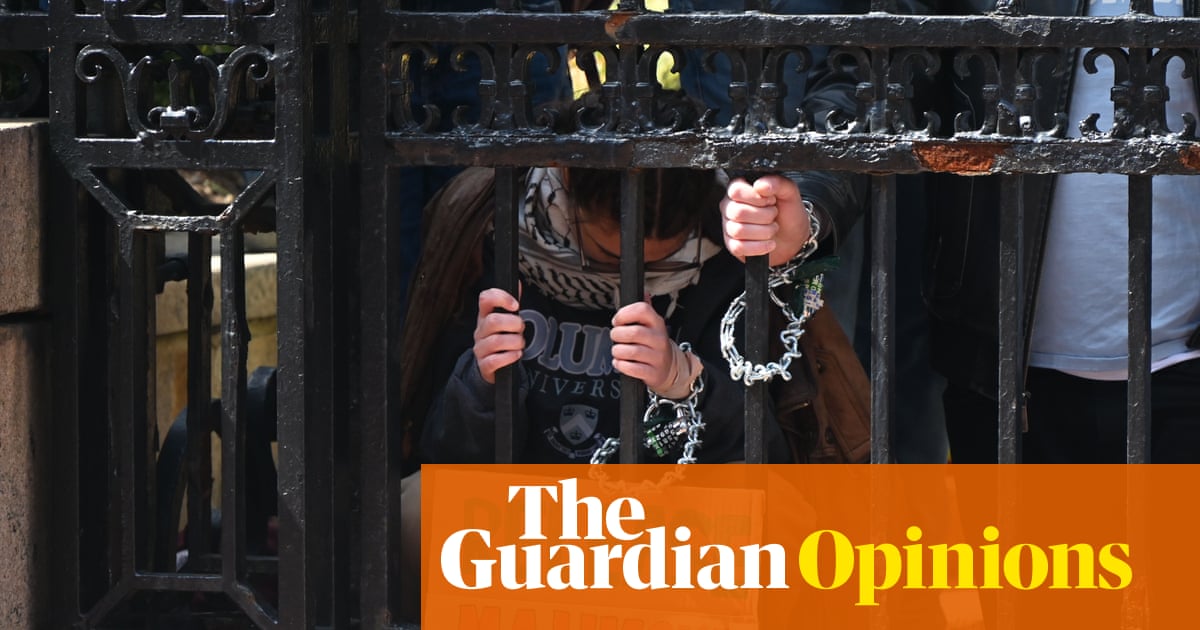
Crucially, the high court found against ministers because proscription amounted to disproportionate interference with the right to protest, which rests on the fundamental rights to freedom of expression and assembly. The judges obviously had a point: the ban did not merely punish acts; it also made it an offence to belong to Palestine Action, or even to speak in support of it. That is how more than 2,700 people found themselves arrested after the ban – mostly for waving placards. More than 500 of those arrested have been charged.
Critics of the ruling say ministers answer to parliament alone. But MPs gave the then home secretary discretion to proscribe groups. The court, in effect, said Yvette Cooper breached her own policy on that discretion without lawful justification. The government will appeal, and the ban stands for now. An indication of the unlikelihood of the appeal succeeding is that the Metropolitan police have stopped arresting protesters. Ministers may argue that courts should show deference to parliament, which passed the ban, and on national security grounds. But deference works both ways: judges defer to security assessments. They do not defer to overreach.
This is the first successful challenge to proscription. That alone should make ministers pause. It is a disgrace that support for Palestine Action can mean 14 years in prison. Until now, such bans have been used for al-Qaida, Islamic State and neo-Nazi groups which advocate terror and murder to achieve political ends. Palestine Action aims to disrupt British factories that it says supply and support the Israeli military. It drew attention to the rising civilian death toll in Gaza, as well as to the UK’s role in what many considered an ongoing genocide by an ally.
History has lessons. In 2003, five protesters broke into RAF Fairford to sabotage equipment linked to the impending bombing of Baghdad. They argued they were acting to prevent a greater crime – the Iraq war – and were charged with criminal damage, not terrorism. The courts treated them as protesters: some were convicted and given light sentences, and others were acquitted. Notably, none were treated as terrorists, a view shared by one of their defence barristers at the time – Keir Starmer.
Yet last summer, within days of Palestine Action activists breaking into RAF Brize Norton and splashing two planes with red paint, Sir Keir’s government announced the group’s proscription. He knows that juries can side with conscientious protesters – especially over an issue such as Gaza. Maybe he thought it better, then, to ban the group outright. If so, for a man who frequently invokes the rule of law, it is a shabby way to circumvent it.
-
Do you have an opinion on the issues raised in this article? If you would like to submit a response of up to 300 words by email to be considered for publication in our letters section, please click here.