1 month ago
114
1 month ago
114
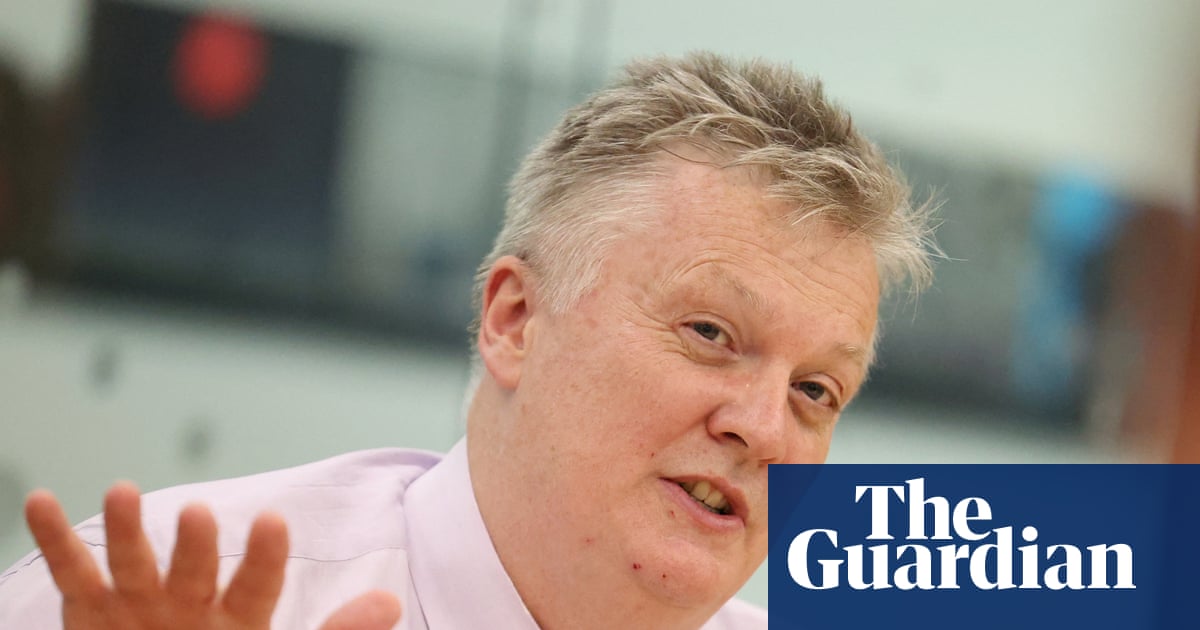
It was a classic Whitehall performance: understated and explosive. Sir Olly Robbins did not bluster in front of MPs. The sacked Foreign Office chief calmly stuck to the language of process. He admitted clearing Peter Mandelson to be US ambassador despite UK Security Vetting (UKSV) – in his own words – “leaning against” approval. But the context was key: Downing Street had already set a “very, very strong expectation” that the peer would be in Washington fast and had a dismissive attitude to vetting. The decision to back the peer had effectively been made before the system could catch up.
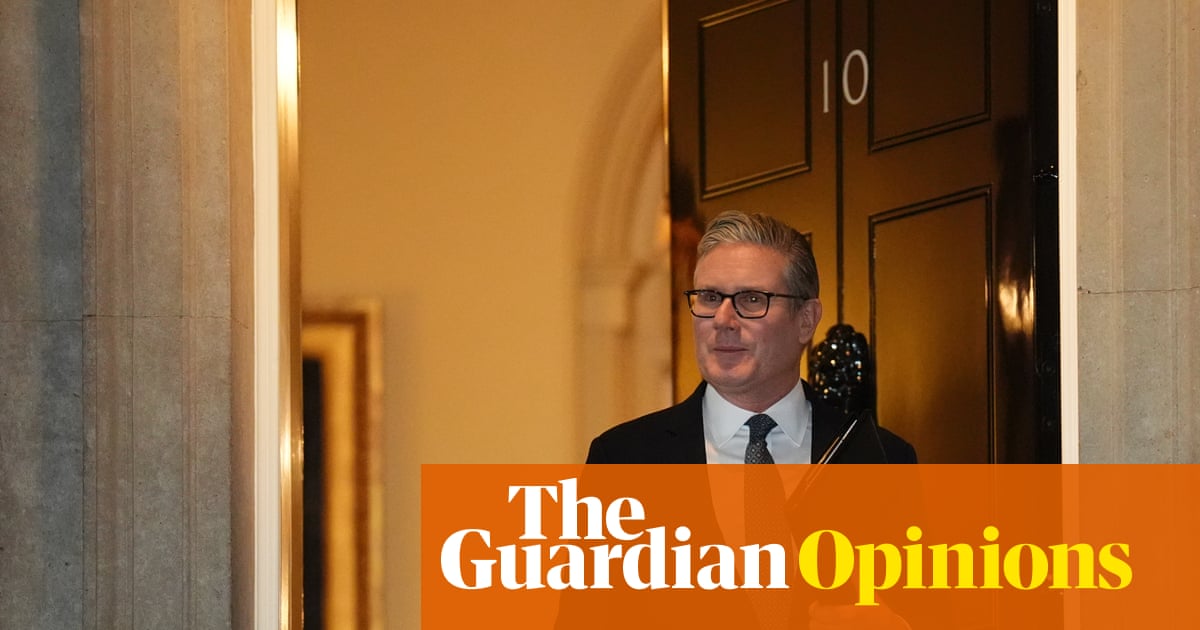
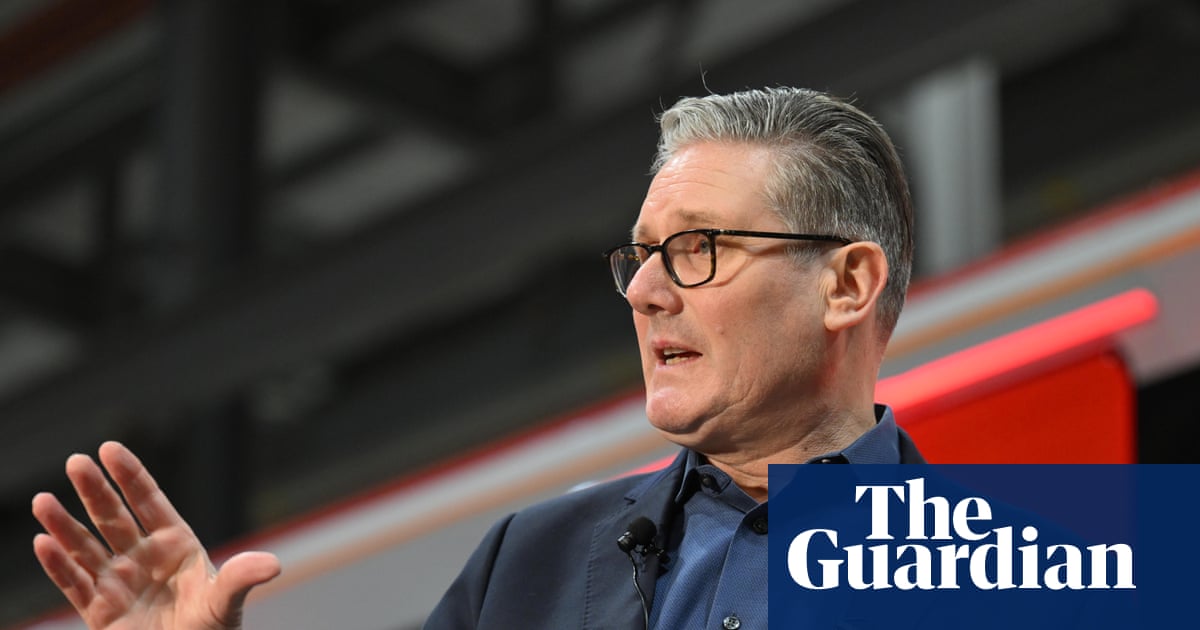
On Monday, MPs skewered Sir Keir Starmer over appointing Lord Mandelson. The issue was not what the prime minister knew, but what he chose to do with the knowledge. By December 2024, he had seen Cabinet Office “due diligence” and was aware of the peer’s relationship with Jeffrey Epstein after the financier’s child sex conviction. Sir Keir went ahead anyway. Announcement, royal approval and US “agrément” swiftly turned that judgment into policy – before vetting had even begun. Sir Keir insisted that he should have been told Lord Mandelson was, in his words, denied security clearance for the role of US ambassador. Diane Abbott cut through this defence with a single question: “Why didn’t you ask?”
Sir Olly insists that ministers should not see often deeply private vetting details. The Mandelson decision was politically loaded, but treated as routine. That mismatch is the scandal. Once vetting followed appointment, it stopped being a gatekeeping process and became something to manage – just as Simon Case, the former cabinet secretary, had warned. Once he left, security checks came after the posting was announced. So when Sir Keir says a recommendation to deny clearance would have changed his mind, it rings hollow.
UKSV may well have formally recommended a denial for the peer’s security clearance; Sir Olly may equally have judged it manageable. Both can be true. Sir Keir is treating a report by the vetting agency as conclusive, while Sir Olly sees it as part of a dialogue. What Sir Olly heard as “borderline” might have been because the briefing he received was ambiguous or he was misled. It’s damaging for the prime minister and the Foreign Office to seem to have very different understandings of the same system.
Sir Olly reopened a box that Sir Keir would rather keep shut. The vetting concerns, he said, had nothing to do with Epstein. The scandal that sank Lord Mandelson was not what troubled the security system. Something else did – and that should worry Sir Keir far more. Worse still is the attempt to find a diplomatic post for the former Downing Street spokesperson Matthew Doyle, made while “talented” diplomats were being let go, and kept from the foreign secretary. It speaks to a “jobs for the boys” culture. Sir Keir gave him a peerage, but he was later suspended from Labour for campaigning for a friend charged with possessing indecent images of children.
This is a political centre that has moved too fast, too casually – and then too late. Sir Keir’s support is draining away. His argument that the decisive issue of vetting was hidden from him was undermined by the energy secretary, Ed Miliband, saying that the pivotal risks of appointing Lord Mandelson were visible without it. The danger for Sir Keir is that the argument has moved on. As Labour’s Sarah Champion observed, people don’t like the prime minister on the doorstep. That is not about Lord Mandelson. It is about Sir Keir.