2 months ago
102
2 months ago
102
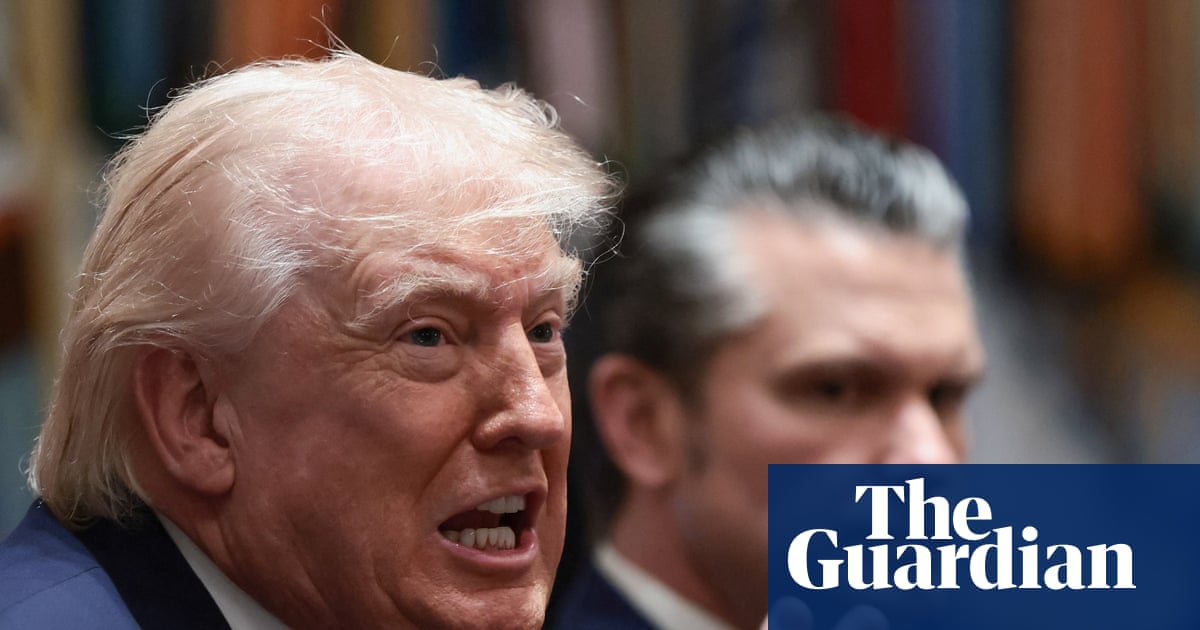
The Middle East was braced on Wednesday night, but the anxious petitioning of Gulf states and Iran’s attempts to appease the US president appeared to win out – at least for the moment. No bombs fell on Tehran. After all his threats, and with military options under discussion in Washington, Donald Trump stepped back, announcing that “the killing [of protesters] has stopped”.
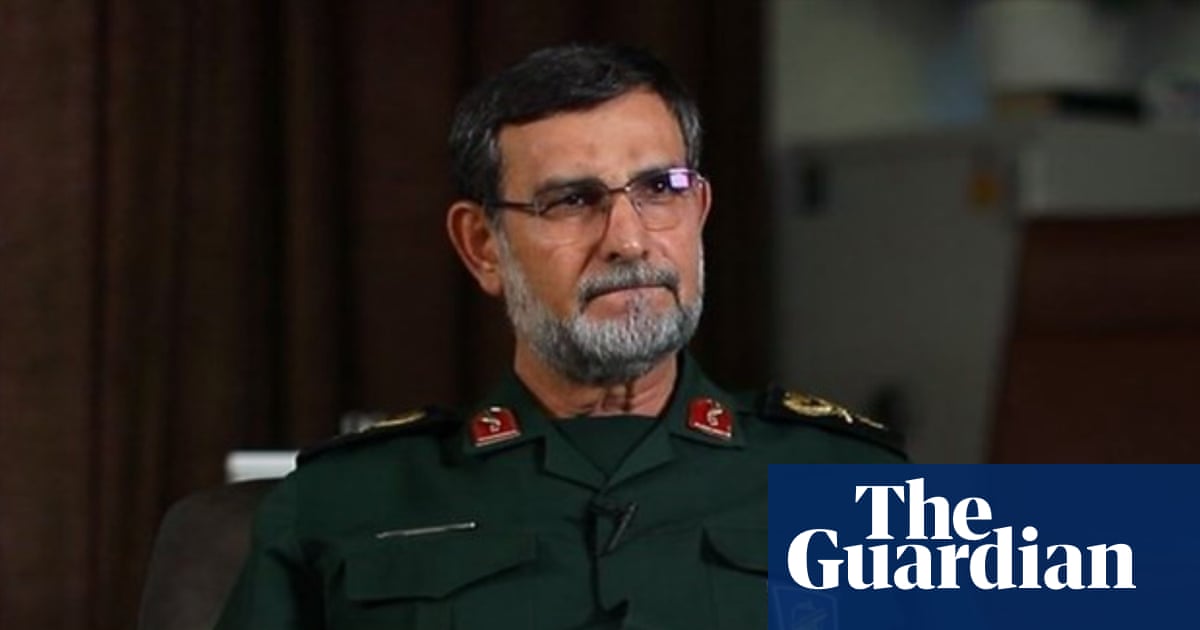
Despite the telecommunications blackout, it seems clear that a ruthless regime has shed still more blood than in previous protest crackdowns. Rights groups say that thousands have been killed and vast numbers arrested; one official spoke of 2,000 deaths. Witnesses compared the streets to a war zone. If the large-scale killings have indeed ebbed, that is probably because Iranians have been terrified out of the streets – for now, at least. Iran’s foreign minister chose Fox News to insist no hangings were imminent, in case the identity of the message’s one-man audience was in any doubt. But while retribution may have been postponed, it will not be cancelled as it should be: the calls for the regime’s downfall are seen as an existential threat. The Iranian authorities can wait. Mr Trump will move on.
Even as the threat of reckless military intervention in Iran receded, if only for the moment, the dangers facing Greenland were underscored as European troops flew in on Thursday. Meetings in Washington had failed to bridge the “fundamental disagreement” over its future, with Mr Trump reiterating that the US “needs” Greenland and Denmark’s foreign minister, Lars Løkke Rasmussen, warning that the president is still set on “conquering” Greenland. Venezuela is on the back burner for now, after Mr Trump took his lap of victory for illegally snatching Nicolás Maduro. But he has already warned Cuba, Colombia and Mexico that they could be next. Alarmingly, the former anti-interventionist has concluded that foreign adventures have fewer costs than he anticipated and more gains. He hopes that menace, spectacle and diversion can work abroad as well as domestically.
Richard Nixon’s “madman theory” was that presenting him as uncontrollable and volatile would keep adversaries in line. But Nixon had a clear strategic framework and aims. While the same cannot be said of Mr Trump, it would be wrong to see him as irrational. Despite grandiose threats, he has often been cautious in military action. He does not need to follow through every time; he just needs people to know that he might. But his causes (resource grabs, imperial splendour, vengeance, “civilisational” supremacy and self-glorification) are alarming, his idea of victory is short-termist and egocentric, and caprice rules his court. He revels in unsettling his inner circle too.
As a leading analyst of Iran noted this week, policymaking has shifted from a clear, deliberative, strategic process to bureaucracy mobilising in response to off-the-cuff presidential comments. Post-Maduro, Mr Trump is emboldened – and more likely to miscalculate. It’s telling that Iran’s regional rivals were key in holding him back from a strike, fearing the destabilisation of the region, the strengthening of Israel or perhaps the emergence of a still more hardline regime in Tehran.
Addressing the French army in his annual speech on Thursday, Emmanuel Macron spoke of a brutal world “where destabilising forces have awakened”, with “competitors [Europe] never thought it would see”. He did not need to name names. Permacrisis is not just the cause and result of Trump – it’s his method too.