4 hours ago
8
4 hours ago
8
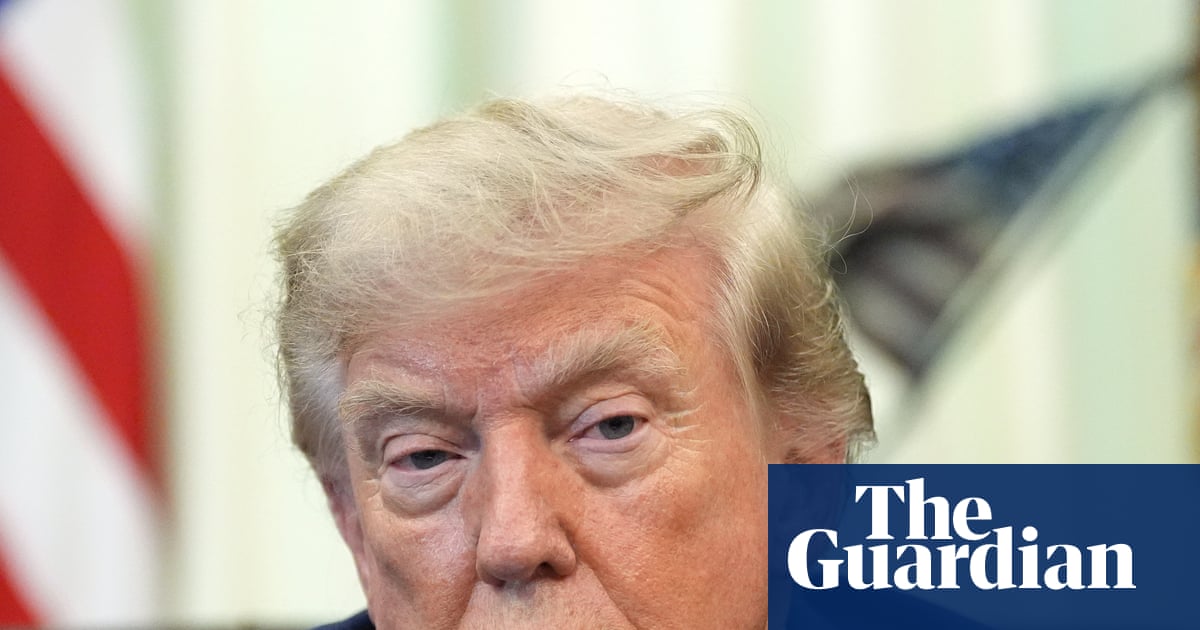
After months of talking with tech industry leaders, the Trump administration finalized a framework this week for how it will test new artificial intelligence models for safety and cybersecurity risks. So far, the White House is keeping details of the framework private, in a blow to transparency and potential boon for secretive AI companies.
On Tuesday, staff from OpenAI, Anthropic, Meta, Google, Nvidia and Microsoft attended a private meeting with White House officials to review the AI framework. Multiple outlets have since reported that although the volunteer vetting process for new AI models has been settled, the White House does not plan to release its policy publicly and will only share testing criteria with a select few tech companies.
The Trump administration and tech industry’s opaque process for how they will check if new AI models threaten global cybersecurity has left numerous questions about how the framework will operate. It remains unclear what level of scrutiny models will face and what safety benchmarks they must meet, leaving businesses, foreign governments and the public in the dark.
The White House, OpenAI and Anthropic did not respond to a request for comment.
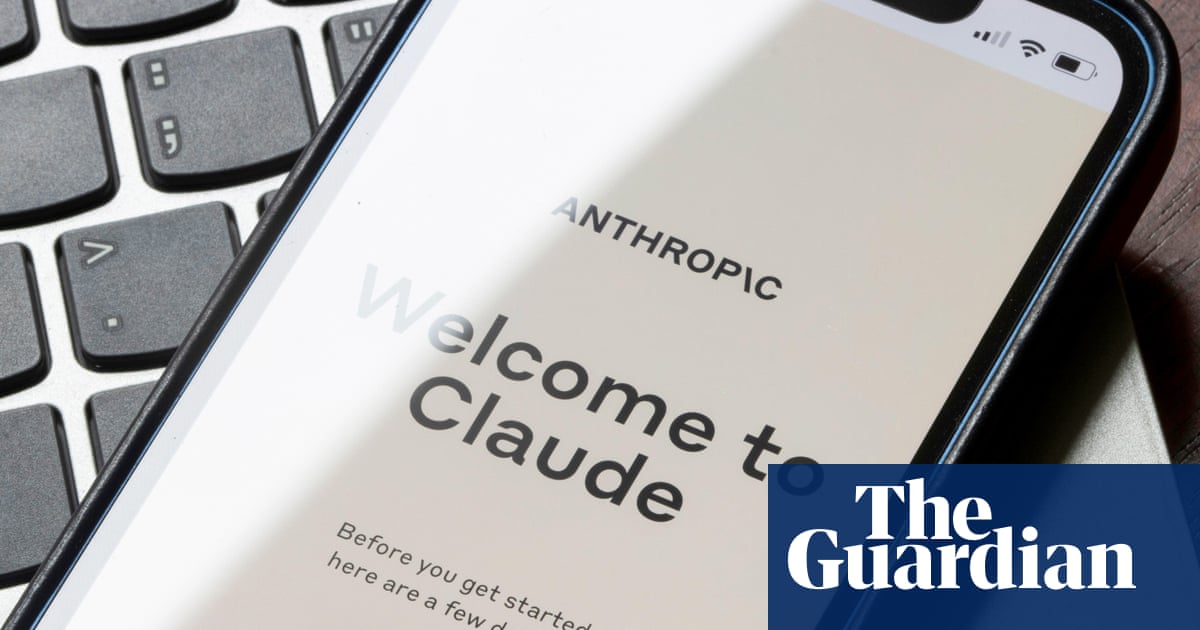
Discussions over creating an AI cybersecurity framework began earlier this year after the release of Anthropic’s Mythos model, which the company withheld from public release in April over concerns that it could be used to hack into IT and financial systems. The model’s capabilities sparked a small geopolitical crisis over cybersecurity, as well as spurred the Trump administration to reconsider its hands-off approach to AI regulation in favor of slightly more oversight.
In June, the White House issued an executive order that called for AI companies to voluntarily submit their new models for government review up to 30 days before release. The order was a watered-down version of initial notions to make some parts of the vetting process mandatory. Tech moguls including Elon Musk and Mark Zuckerberg reportedly personally lobbied Trump against the mandate. The order also left an August deadline for determining the framework, which the White House and AI companies now appear intent on keeping to themselves.
The murky nature of the framework increases uncertainty for businesses reliant on AI models, as well as on foreign governments increasingly worried that frontier AI models can pose unexpected security risks. It also means that outside researchers and cybersecurity experts have little visibility into how the government is assessing new AI models, with only companies such as OpenAI and Anthropic privy to the process.
It is also unclear which companies’ models will be subject to government review, since the executive order doesn’t define what qualifies as the advanced AI it targets. Open source models, which are free to download and use, for instance, will be excluded from the framework, according to Axios.
The framework comes amid persistent security concerns surrounding new AI models. Over the past month OpenAI, Anthropic and Meta have disclosed that their new models hacked into outside organizations during what were intended to be isolated security tests. OpenAI and Anthropic also agreed to delay the release of new AI products over cybersecurity concerns and fear that their models could be used to hack into financial systems or otherwise create harm.
Earlier this year, the Trump administration ordered the Center for AI Standards and Innovation to stop issuing public reports on AI model assessments while it worked out a framework. It’s unclear whether those reports will resume now that the framework is finalized.