2 hours ago
9
2 hours ago
9
Andy Burnham blamed the Conservatives’ legacy for leaving the UK vulnerable to market turmoil, in his first prime ministers’ questions clash with Kemi Badenoch, as the UK’s borrowing costs climbed further.
The Conservative leader compared the market pressure on Burnham’s second day to Liz Truss’s mini-Budget. But the prime minister said it was the Tories’ failure to address the UK’s growth and debt which meant the economy was exposed to market shocks.
Badenoch challenged Burnham to be honest over whether tax rises were coming in October’s budget. The prime minister said his first move in office had been to “cut tax”, in reference to VAT on energy bills, but stopped short of ruling out any rises.
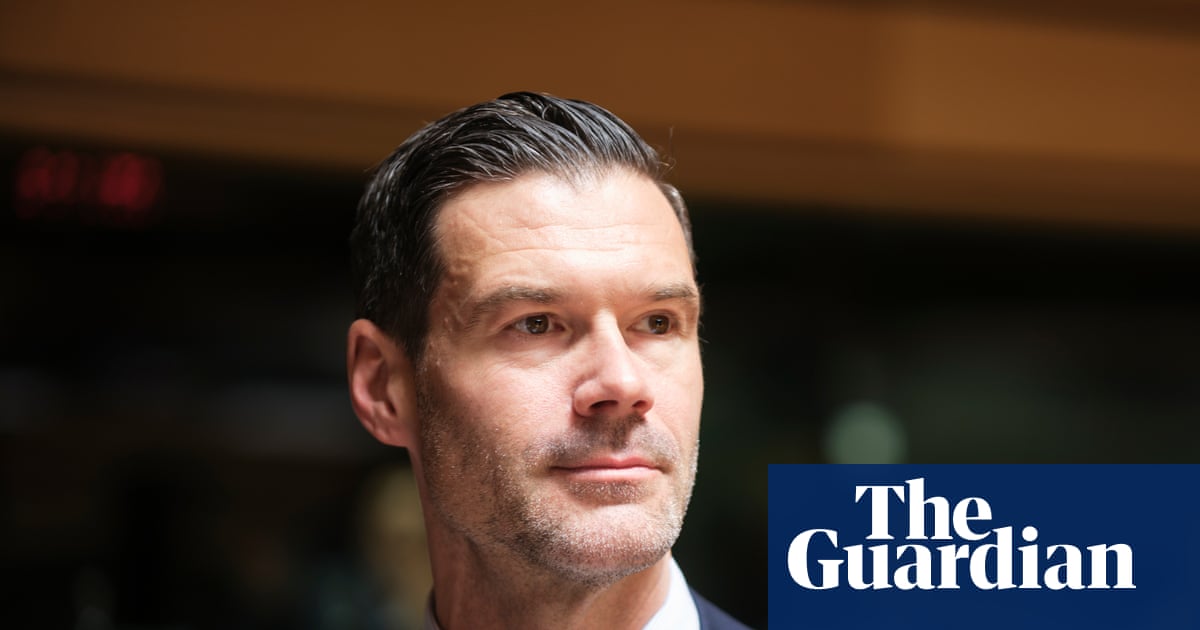
UK government borrowing costs rose again at the start of trading on Wednesday, as 10-year bonds jumped by four basis points – the highest since June 2008. The turmoil erodes the fiscal headroom available to the chancellor, John Healey, for the autumn budget.
The rise has been linked by some economists to Burnham’s doubling down on his commitment to public control of utilities in his statement to the Commons on Tuesday, though most market strategists say it is mainly down to a jump in oil prices.
One of Burnham’s close allies, the economist Jim O’Neill, said on Tuesday night that the prime minister’s statement had been “the last thing that investors want to hear on a day where all of this is going on in the background” and said traders were asking: “Who’s going to get real in this country about the challenges of getting our debt down and controlling spending?”
Criticising Burnham’s three-hour statement in the Commons the day before, Badenoch on Wednesday said: “He did not say no to a single spending request … And personally, I think it’s delightful that he wants to make everyone happy. But a prime minister needs to be a leader, not a people pleaser.”
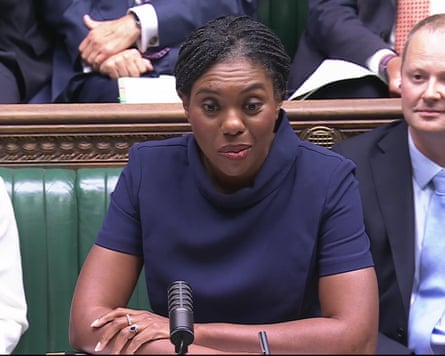
She said: “[He] did not rule out tax rises. Instead, what he did was lots of point scoring. He says he wants new politics, he says he wants honesty.
“The fact is, gilt yields now, the cost of borrowing is far more than it ever was under Liz Truss. That budget failed because spending was announced before the money to pay for it, which is exactly what he is doing right now.”
Burnham said his commitments over the summer had been funded and the government would maintain fiscal discipline in the budget.
“The turbulence on global markets are because of that exposure that they [the Tories] left behind. We’ve had the fastest growth in the G7. Borrowing fell to its lowest level in six years. We’re cutting the deficit faster than any other G7 country. That is problem solving rather than point scoring,” he said.
Asked again to rule out tax rises, Burnham said: “I’ve already indicated my first moves were to cut tax, but I’m not going to … write the budget here, that will be the matter for my right honourable friend [the chancellor].
“I took a deliberate decision to set an early date for the budget, so that we reduced the period for prolonged speculation of the kind that she is wanting us to indulge in today.”
after newsletter promotion
Burnham, who had said he hoped not to indulge in too much party political attack, criticised Badenoch for her shadow cabinet reshuffle where she sacked the former shadow chancellor Mel Stride and replaced him with Andrew Griffith, a Treasury minister under Truss.
He said Truss’s tenure had been “a short-lived government that crushed confidence in the economy and hammered people’s mortgages. [Badenoch] took a decision at the weekend: she removed a shadow chancellor who said that the Truss mini budget was a mistake, and she replaced that shadow chancellor with one that helped to write it.”
In an attempt to calm the markets, he said his would be a government “grounded in fiscal responsibility”.
“It will stick to the fiscal rules, but at the same time, we will help reduce cost of living pressure on our constituents. And that’s the approach that we will take. And that’s the one I would suggest to the party opposite should follow too.”
Later in the session, Burnham was pressed by Tan Dhesi, the Labour MP who chairs the Commons defence committee, about whether he could commit to defence spending reaching to 3% of GDP by 2030.
Burnham appeared to imply this would happen, saying: “I’ve made that commitment, made it very clear, and I have done for a considerable period of time.”
However, this appeared to be a mix-up over dates, as Burnham has thus only pledged to reach 3.5% by 2035, a commitment he reiterated in his exchanges with Badenoch.