3 months ago
137
3 months ago
137
In order to cut rising bills all UK households should receive a minimum amount of energy at rates subsidised by the government through North Sea taxes, a thinktank has suggested.
Providing all homes with enough energy to heat two rooms, provide hot water and run key appliances such as a fridge and washing machine, at rates frozen at current levels, would require a subsidy of about £4.5bn, according to the New Economics Foundation.
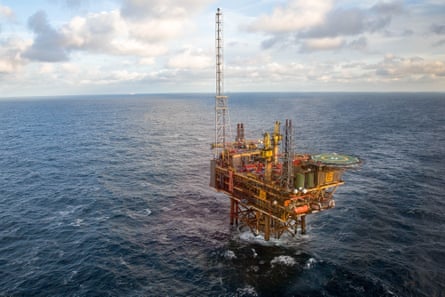
That is roughly equal to the expected windfall in tax revenues from the North Sea, generated by the bonanza oil and gas companies are enjoying from the high price of oil.
Although oil prices, sent soaring by the Iran war, have abated on the announcement of a ceasefire by the US president, Donald Trump, they are still higher than before the conflict and could remain volatile as supplies through the strait of Hormuz may take some time to get back to normal.
Using the increase in tax revenues to give households money off their bills would allow the poorest to be protected while the richest would still be exposed to the market, according to NEF. The measure proposed – a guarantee to freeze prices at current levels for the first tranche of energy a household uses – would save all households more than £160 on their annual bills, but this would amount to a saving of about 17% for those on low incomes compared with 11% for wealthier people.
This should encourage those who can afford to pay to stop wasting energy and invest in insulation and highly efficient electric heat pumps.
Alex Chapman, a senior economist at NEF and the author of the report, said that similar measures were operating successfully in many other countries, such as Japan, South Korea, China and India, and were introduced by several European countries – including the Netherlands, Austria, Greece and Poland – in 2022 after Russia’s invasion of Ukraine sent fuel prices soaring.
He said: “We’ve barely emerged from one inflation crisis and now we’re being plunged into another. Despite this week’s ceasefire agreement, the aftershocks of this illegal war will hit us hard. Once again, fossil fuel giants and electricity generators are about to rake in mammoth profits while our energy bills go through the roof.”
The government had failed to curb the excessive profits made by energy companies during the last oil crisis, he said. Millions of households have been saddled with debts because of unpayable energy bills. This time, the government must do more to tax energy companies on their windfall profits and use the money to soften the blow to the most vulnerable customers, according to NEF.
“Let’s not make the same mistake again – this government must protect households’ ability to meet their essential energy needs, and our research suggests they can do so by taxing those who profited the most from this war,” said Chapman.
The first UK energy price cap was introduced by Ofgem in 2019 in an attempt to stop energy companies from reaping excessive profits from unsuspecting consumers, but it was modified during the 2022 oil and gas crisis.
NEF also recommends targeted government help for companies affected by the oil and gas crisis caused by the war in Iran.