8 hours ago
14
8 hours ago
14
The El Niño event developing over the Pacific Ocean is likely to be the strongest for more than a 100 years, the UK’s Met Office has said.
Increased rainfall and storms are forecast to hit the UK this autumn as a result of the “unprecedented” weather pattern, which will also cause severe droughts in the southern hemisphere, the Met Office warned.
Prof Adam Scaife, head of long-range forecasting at the Met Office, said a typical El Niño involves Pacific sea temperatures rising by more than 1C, “with 2C being a really big event”. This year Pacific sea temperatures are set to rise by 3C. This will make this El Niño “the largest since the 19th century”, according to the Met Office.
Speaking to BBC Radio 4’s Today programme, Scaife said: “We’re expecting the biggest El Niño for over a century, peaking at something over 3C. That is unheard of in modern climate records … it’s up 2C degrees already.”
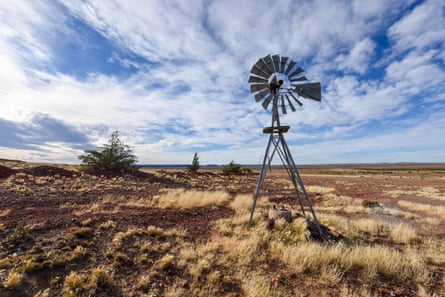
He said the impacts would be felt worldwide, adding they would be “particularly strong throughout the tropics, where we expect really severe droughts in places like South America and the west Pacific”.
He said: “Then there are wave-like disturbances that come out from the tropics and affect places like the UK. So we already see signals for increased rainfall and storminess in the autumn here in the UK around November time.”
There is also a heightened risk of drought in southern Africa and north-east Australia, while north-western Europe – including the UK – is likely to experience wetter and stormier conditions, the Met Office said.
The El Niño will also drive an increase in global average temperature, with 2027 forecast to be the warmest year on record.
Dr Nick Dunstone, a science fellow at the Met Office, said: “During large El Niño events, significantly more heat is released from the ocean to the atmosphere leading to an increase in global average temperature, particularly in the calendar year following the winter peak of the El Niño.
“Hence, 2027 is very likely to replace 2024 as the warmest year on record and be another year to temporarily exceed plus 1.5C above the preindustrial period.”
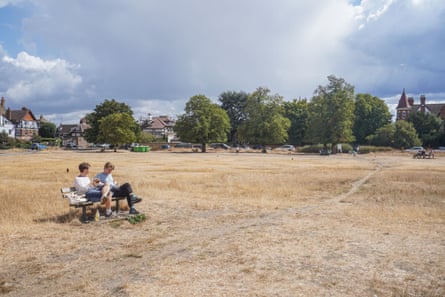
A series of record heatwaves and a lack of rainfall in recent months has brought the driest July in 190 years and has pushed almost three-quarters (71.3%) of England, and all of Wales, into drought, putting severe pressure on the water system, wildlife, farmers, emergency services and infrastructure.
Many areas of the country are facing water shortages as reservoir levels have fallen to 62.6% – 16.3% lower than is expected for this time of year, according to Defra.
After an emergency meeting to discuss the heatwave last week, Andy Burnham said: “We might be in for a wet autumn and winter straight after this, because of El Niño and some of the issues there, which was reported to Cobra.”
Parts of the country were hit by heavier showers on Wednesday and Thursday, with the north-west of England seeing the wettest conditions in the last 24 hours, with 52.5mm of rain falling over the seaside town of Morecambe in Lancashire.
But forecasters and officials said it could take months of sustained rainfall before rivers, reservoirs and groundwaters were completely replenished – which is when a drought is officially over.
The National Drought Group, which brings together the Met Office, regulators, government, water companies, farmers, scientists and conservation organisations several times a year, said this week’s rainfall and cooler temperatures will not make any significant impact on current water scarcity.
It also warned that drought conditions could persist into the new year as, despite El Niño, current forecasts do not suggest this autumn will have the amount of rainfall required to drive recovery before December.
After meeting on Thursday, the panel revealed it was moving from monthly to weekly meetings to step up its coordinated response to extreme weather, with human-driven climate change driving increasingly volatile conditions across the UK.