3 months ago
139
3 months ago
139
A bill to recognise English as an official language of New Zealand has cleared its first hurdle in parliament amid ridicule from opposition parties and linguists who say it is “unnecessary” and “cynical”.
The bill seeks to give English, which is spoken by 95% of the country, the same official status as te reo Māori (Māori language) and New Zealand sign language. The bill said the status and use of the existing official languages would not be affected.
Its introduction forms part of the coalition deal between the minor populist New Zealand First party and centre-right National party.
On 3 March, the coalition, which also includes the minor Act party, voted in favour of the bill at the first reading, allowing it to move to select committee stage for public consultation and further readings in parliament. The timing is not clear but the bill has widespread support within the government and is likely to become law.
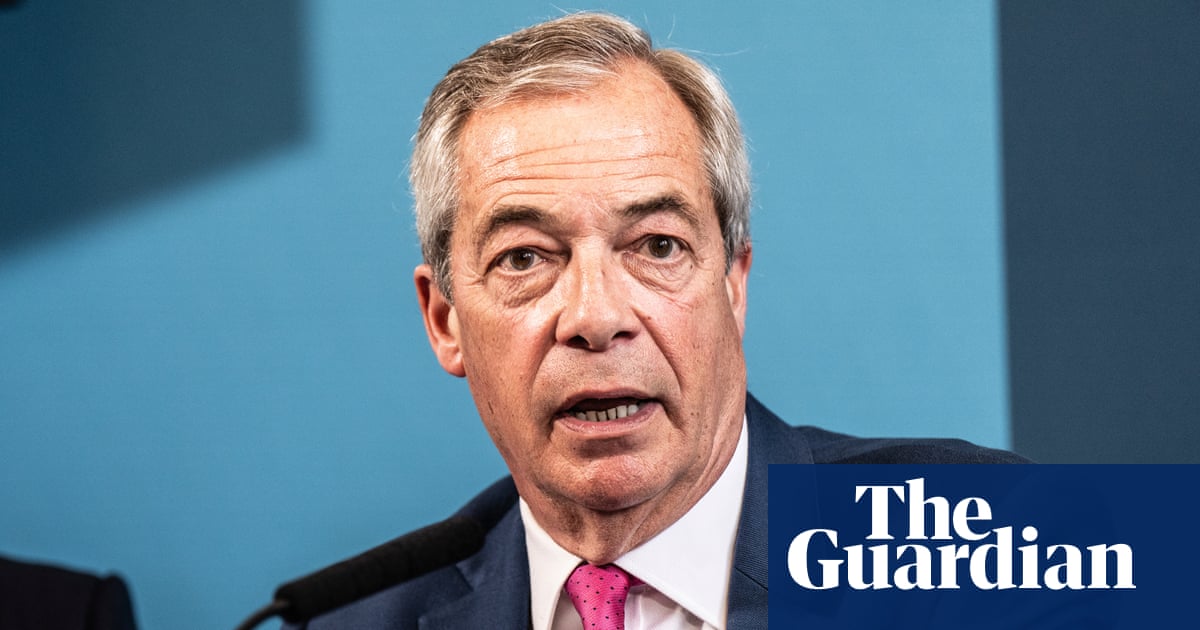
During the debate, New Zealand First’s leader and foreign affairs minister, Winston Peters, said English had never been deemed official and the bill would “correct that anomaly”.
He argued the use of Māori in public services was causing confusion.
“This bill won’t solve the push of this virtue signalling narrative completely,” Peters said. “But it is the first step towards ensuring logic and common sense prevails when the vast majority of New Zealanders communicate in English, and understand English, in a country that should use English as its primary and official language.”
Peters – who is Māori – has long opposed affirmative initiatives intended to advance Māori and criticised the use of Māori names for government departments. In 2025, a row erupted in parliament after Peters questioned why MPs were referring to New Zealand by its Māori name, Aotearoa, despite it being widely used, including on currency and passports.
The National Party has said the legislation is not a priority, but they would support it as part of their coalition agreement, and MPs from National and Act spoke in its favour.
Act’s Simon Court said it did not have to be a “culture war issue”, while National’s Rima Nakhle said making English official was “not the end of the world”.
But the proposal has garnered little support outside the coalition.
In advice to the government, ministry of justice officials recommended that lawmakers should not pass the bill, as there was “no evidence to support concerns about the use or status of English as an official language”.
Māori and New Zealand sign language had become official to protect the status of linguistic minorities, justice officials said, and recognising English in the same way would “not change its status as the default language”.

Photograph: Marion Kaplan/Alamy
Very few English-speaking countries had made English an official language, the officials said, and where they had, it generally coincided with protecting another language – for example in Canada, where law established both French and English are to be used official contexts.
The bill has prompted backlash from opposition parties and language experts.
“It is scaremongering, it is cynical, and frankly we can do without it in this country,” Labour MP Kieran McAnulty said during the first reading.
Green Party co-leader Chlöe Swarbrick noted English was “not under threat”. English was “literally beaten” into people, Swarbrick said, referring to the Native Schools Act 1867, which resulted in children being punished for speaking Māori.
“This is a bill which is an answer to a problem that does not exist,” she said. “In plain English, for all members of this government, this bill is bullshit, and you know it.”
Sharon Harvey, associate professor specialising in educational linguistics at the Auckland University of Technology, told the Guardian the bill was “vexatious” and “unnecessary”.
The bill’s proponents were playing to a section of society who were uncomfortable with the visibility of Māori language and believed in the “spurious” argument it was diminishing the importance of English, Harvey said.
“Already, this government had proven to be quite strong on being proponents of English first, or English only, in some spaces,” Harvey said, pointing to the government’s policies reducing the visibility of Māori in public services and removal of Māori words from some books for schoolchildren.
“I wonder if we have this kind of legislation, whether it will give certain governments more encouragement to reduce the importance of other languages in this country.”