4 hours ago
15
4 hours ago
15
Not all modern British monarchs have viewed the prospect of moving into Buckingham Palace with unalloyed joy. So in announcing he will never live there, after the completion of its £369m upgrade next year, King Charles has at least grasped that nettle.
Queen Victoria was initially dismayed by the damp, dingy and disorganised building that greeted her and her husband, Prince Albert, in 1837. It was Albert who refashioned it into “Monarchy HQ”. After his death in 1861, Victoria retreated mainly to Windsor, Balmoral and Osborne House on the Isle of Wight.
Previously, Queen Victoria’s uncle, William IV, had shown no love for it, staying instead in Clarence House – the very same royal residence round the corner on the Mall where Charles has chosen to live. William IV even tried to palm it off on parliament when the Palace of Westminster, which comprises the House of Commons and the House of Lords, burned down in 1834 – an offer swiftly rejected by MPs.
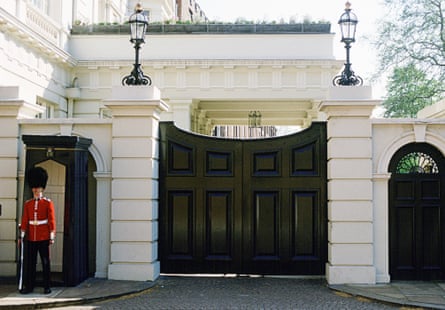
Queen Elizabeth II, who also wanted to remain with Prince Philip in Clarence House, had to be firmly steered to Buckingham Palace by an uncompromising Winston Churchill, her first prime minister.
Prince William, for his part, appears to share his father’s thoughts, letting it be known that he and Catherine, Princess of Wales, regard Forest Lodge, their Windsor mansion, as their “forever home”.
Buckingham Palace’s status as the official London residence of royalty draws hundreds of thousands of tourists each year, and has offered a historic backdrop for world leaders on state visits for almost two centuries.
Palace aides stress that no one will notice the difference if Charles sleeps there or not: it will remain a “buzzing hive” of royal activity. The sovereign flag will still flutter from its flagpole, though merely to indicate Charles is in London, as has been the case since his accession due to the 10-year building works to overhaul the 1950s infrastructure and make it fit for purpose for another half-century, expected to complete next year.
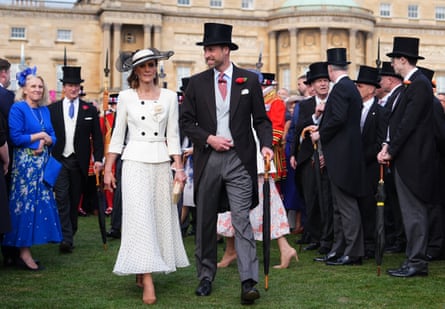
Charles is seen regularly, while in London, crisscrossing the Mall between his Clarence House home and the office, and will continue to do so. State functions, including banquets, royal dinners, receptions, audiences, honours ceremonies and garden parties, will all remain at Buckingham Palace. World leaders could still stay there during state visits, if they so wished.
Charles and Camilla can pop up to the late Queen’s private rooms, once refurbished, for a change of clothes, a quick rest or some respite from the myriad staff who fill the place during the day.
Living above the office may have been a factor for Charles and Camilla, even though they are used to being surrounded by household staff. Many employees also live on the premises. According to the royal website – which has yet to reword its description of “official London residence” – its 775 rooms include 188 staff bedrooms and 92 offices.
after newsletter promotion
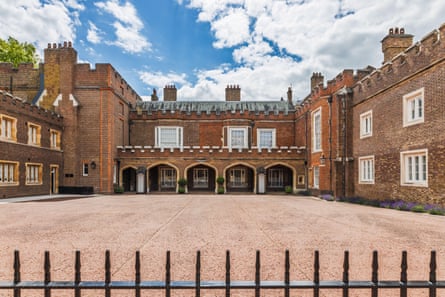
More offices could be on the way. The palace is planning more effective use of space, which could enable teams based at St James’s Palace to move across, freeing space at St James’s which can be let commercially to boost income.
The couple are said to be very at home in the far more intimate Clarence House, once home to the king’s grandmother, Queen Elizabeth the Queen Mother. Their ages – Charles is 77 and Camilla is 78 – and the fact the king has cancer would make the sheer upheaval of moving unappealing. The administrative process, too, would be complex and not without additional costs.
The main reason given by a palace always keen to argue its fiscal prudence with public money is that it will increase public access to a national monument. Buckingham Palace remains popular with tourists and offers a range of tours, with one of its most expensive guided visits of the newly renovated East Wing costing £93. This year, the palace reported “strong visitor numbers”.
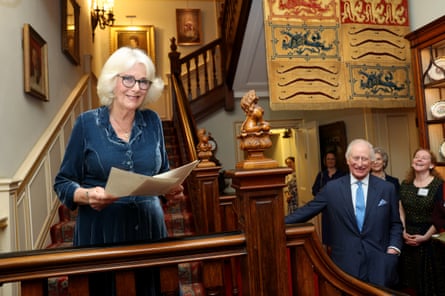
Summer opening, during July and September when the king is at Balmoral, may be extended. The latest report from the Royal Collection, a collection of art and artefacts held in trust for the nation with proceeds going to support the monarchy, showed a record 683,000 visits in 2024-25.
Other parts of the palace could also be opened up without risk of disturbing the couple, or the considerable security implications of them living there. The Consort’s Library, for example, once used by Albert, will become an official audience room for Camilla to receive guests, and will also be used for educational purposes and become an attraction on palace tours.
One of the justifications for its expensive upgrade was to ensure Buckingham Palace was fit for purpose as a first-class world “residence” and showcase to the world. First-class royal office may lack the same allure.